

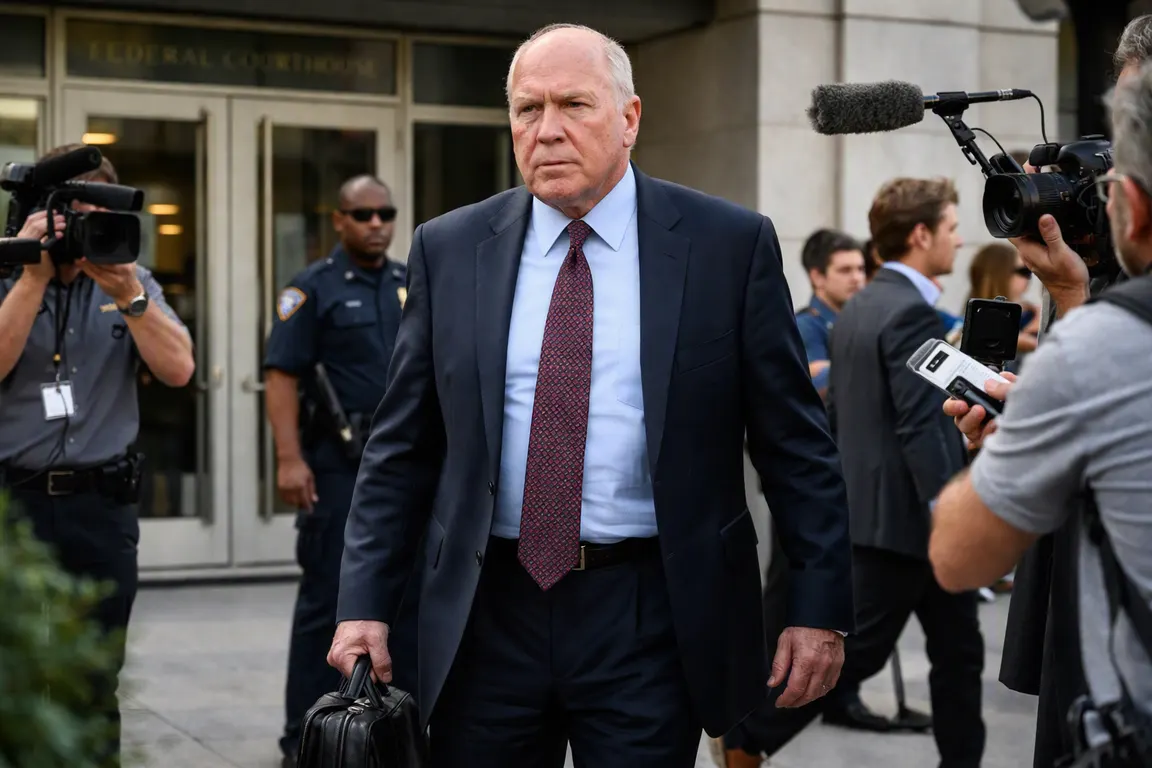
The Justice Department issued a subpoena on Sept. 14 ordering former CIA director John Brennan to appear before a federal grand jury in Fort Pierce, Florida, on Oct. 15. The order, signed by then‑assistant U.S. attorney Joe diGenova, was filed with a declaration from senior DOJ attorney Kenneth L. Wainstein confirming the request.
Brennan, who led the CIA from 2013 to 2017 and now serves as a commentator for NBC News and MSNBC, became the focus of a DOJ inquiry after his lawyers sued in July 2026 to compel preservation of records related to ongoing investigations. DOJ senior attorney Kurt Olsen told Brennan’s counsel that the agency is reviewing “several viable investigations,” including a broader look at the Mar‑a‑Lago classified‑documents case and a narrower probe into statements Brennan made to Congress about the 2020 election.
The subpoena arrives amid several related probes. Federal prosecutors are re‑examining the 2017 intelligence assessment that linked Russian interference to the Trump campaign, the handling of classified material at former President Donald Trump’s Mar‑a‑Lago residence, and efforts to challenge the 2020 election results. While no criminal charges have been filed against Brennan, the grand‑jury subpoena places him in the same procedural stream as other officials under DOJ scrutiny.
DiGenova resigned the same day the subpoena was delivered, adding procedural uncertainty. The longtime prosecutor stepped down after filing the subpoena, prompting observers to wonder whether his departure reflects internal disagreement or a routine personnel change. DOJ officials have not commented on the resignation, and the agency has continued to move forward with the grand‑jury schedule.
Legal experts note that Brennan can challenge the subpoena in federal court, arguing that it is overly broad or infringes on executive‑branch privileges. His July lawsuit already secured a court order preserving relevant documents, which may limit the DOJ’s ability to compel additional evidence. Historically, courts have granted grand‑jury subpoenas broad latitude, especially in national‑security investigations.
The development comes at a time when public confidence in the Justice Department is fragile. Recent high‑profile investigations into former officials have sparked debate over whether grand‑jury power is being used for political purposes. Critics warn that aggressive subpoenas could erode the perception of impartiality, while supporters argue that thorough investigations are essential to uphold the rule of law.
As the Oct. 15 testimony date approaches, the DOJ has not disclosed the specific allegations it intends to explore with Brennan. The agency’s broader inquiries remain focused on potential misconduct tied to the Mar‑a‑Lago documents, the 2017 Russian‑interference intelligence report, and statements made to Congress about the 2020 election. Whether the grand‑jury process will result in an indictment or conclude with a closed investigation remains uncertain, leaving legal observers and the public awaiting further clarification from the Justice Department.