

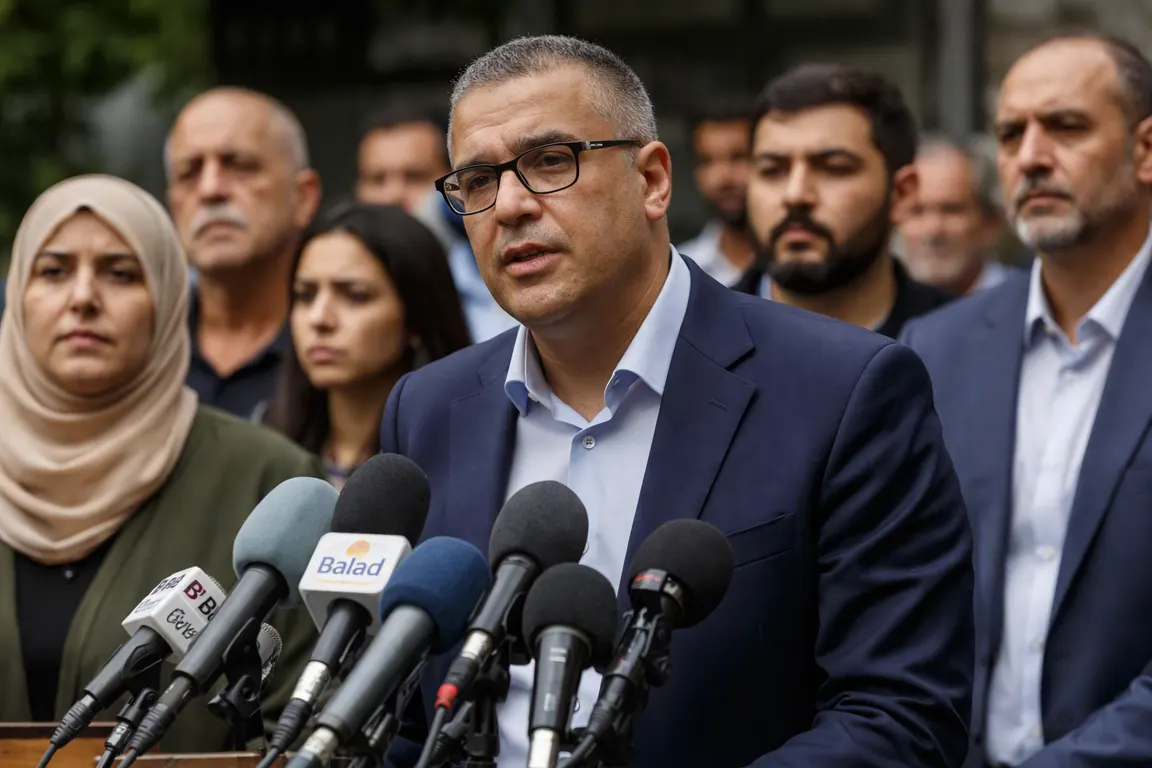
Israel’s Supreme Court ordered Sami Abu Shehadeh, the head of the Arab‑Israeli Balad party, to withdraw from the upcoming Knesset election or face formal disqualification. Abu Shehadeh announced his withdrawal on Monday, citing the court’s ultimatum, and Balad will now run without its sole candidate.
The decision removes the only Balad candidate from the ballot, shrinking the pool of Arab‑Israeli lawmakers ahead of the Oct. 27 vote. Arab parties have traditionally held the balance of power in tightly contested Knesset formations, and the loss of Balad’s expected seat share could limit their leverage in post‑election coalition talks.
Abu Shehadeh was summoned by the Supreme Court in early October and told to step aside or be barred from the race. The court released no detailed legal rationale, and Israeli officials have not commented on the basis for the order. The lack of an explanation has drawn criticism from civil‑rights groups, who say the move underscores a pattern of legal actions that curb minority political participation.
Balad’s removal reduces the number of Arab‑Israeli candidates officially standing for election. Voters who supported Balad may shift to other Arab parties such as Ra’am or the United Arab List, or they may vote for larger parties that have pledged to include Arab voices in future coalitions. The change forces coalition partners to reassess alliance strategies as they calculate the number of seats needed to form a government.
The ruling comes amid a series of legal challenges to Arab‑Israeli politicians in recent years, including bans on party lists and individual disqualifications. While the Supreme Court’s decision follows established procedural rules, critics argue that the opaque reasoning erodes confidence in the judiciary’s impartiality. Past disqualifications have often hinged on allegations of incitement or threats to the state, but no such claims have been substantiated in this case.
With ballots already being printed and campaign rallies underway, the timing leaves little room for appeals or political recalibration. Arab‑Israeli voters now face a narrower slate of candidates, potentially diminishing their influence on legislative outcomes. The reduced representation will likely be a point of contention in the post‑election coalition negotiations, where every seat can tip the balance of power.
Observers say the ultimate impact of the Supreme Court’s order will be measured in how the next government addresses minority rights and whether Arab parties can secure meaningful participation despite the setback. The question remains whether the reduced Arab presence in the Knesset will alter policy priorities or simply reinforce existing coalition dynamics.
As Israel heads toward the Oct. 27 election, the Balad case highlights ongoing tensions between the country’s democratic institutions and its minority communities, raising broader questions about the inclusiveness of the electoral process.