

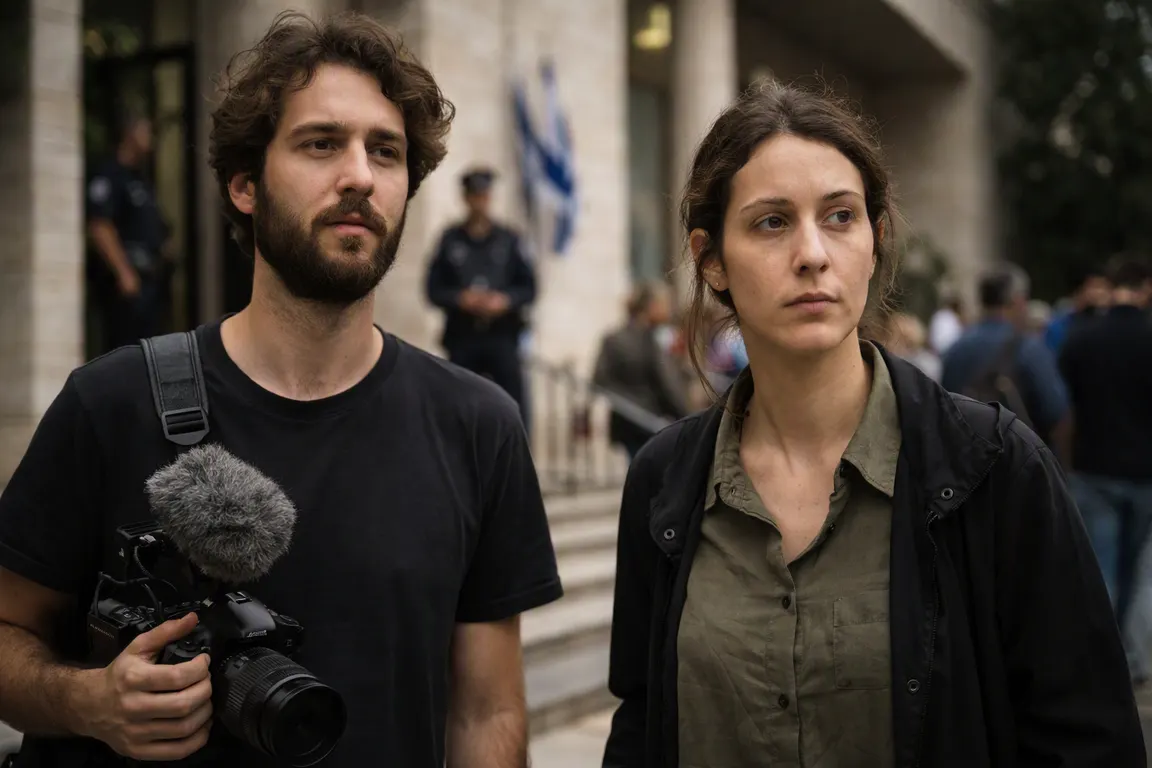
Culture Minister Miki Zohar announced on Oct. 30 that he will seek to strip Israeli citizenship from directors Yuval Abraham and Rachel Szor, whose documentary “NAZA” alleges systematic civilian killings in Gaza. The move targets the Gaza documentary filmmakers citizenship and is framed by Zohar as a necessary security measure.
“NAZA,” completed in early 2024, includes interviews with 24 former Israeli military or intelligence personnel who claim AI‑driven targeting systems have been used against civilian areas. The film won a special jury prize at the 2024 Venice Film Festival and attracted international attention.
Zohar called the film treasonous, saying revoking the directors’ citizenship is essential to protect the nation. National Security Minister Itamar Ben‑Gvir echoed the condemnation, adding the filmmakers are “aiding Israel’s enemies.”
Under Israeli law, citizenship can be revoked for treason, espionage or terrorism, but the process requires a petition reviewed by the interior minister, the justice minister and, ultimately, a court. No formal petition or judicial ruling has been filed; the ministers’ statements remain political proposals.
The Israeli military disputes the credibility of the whistle‑blowers, noting that their identities cannot be independently verified. The defense ministry has not provided evidence to confirm or refute the filmmakers’ claims, leaving a factual gap that courts would have to address if a revocation case proceeds.
Legal scholars note that Israel has rarely used treason statutes against artists. The closest precedent is the 1970s suspension of journalist Uri Avnery’s passport for alleged security breaches, which the Supreme Court later overturned on free‑speech grounds. The current move therefore tests the limits of existing jurisprudence, especially as it targets documentary filmmakers rather than traditional journalists.
If the revocation proceeds, Abraham and Szor could lose travel rights, face restrictions on future work in Israel and risk blacklisting by domestic broadcasters. The broader impact may be a chilling effect on Israeli documentarians and journalists who fear legal retaliation for criticizing military policy. International festivals and distributors, already cautious about political backlash, might reconsider programming Israeli works that address the Gaza conflict, affecting the country’s cultural export market.
The controversy underscores a tension between national‑security concerns and the public’s right to scrutinize wartime conduct. While the state argues that exposing alleged war crimes could aid hostile actors, critics say silencing dissent undermines democratic accountability and erodes confidence in the legal system.
The next procedural step is a decision by the interior minister on whether to accept a revocation petition, followed by possible judicial review. Until a formal petition is filed and reviewed, the directors remain Israeli citizens, but the political pressure signals a growing willingness to invoke treason law against artistic expression. The outcome will likely shape how Israel balances security imperatives with freedom of expression in an ongoing conflict.