

Iran, Saudi Role in 9/11 Discussed at Anniversary Ceremonies
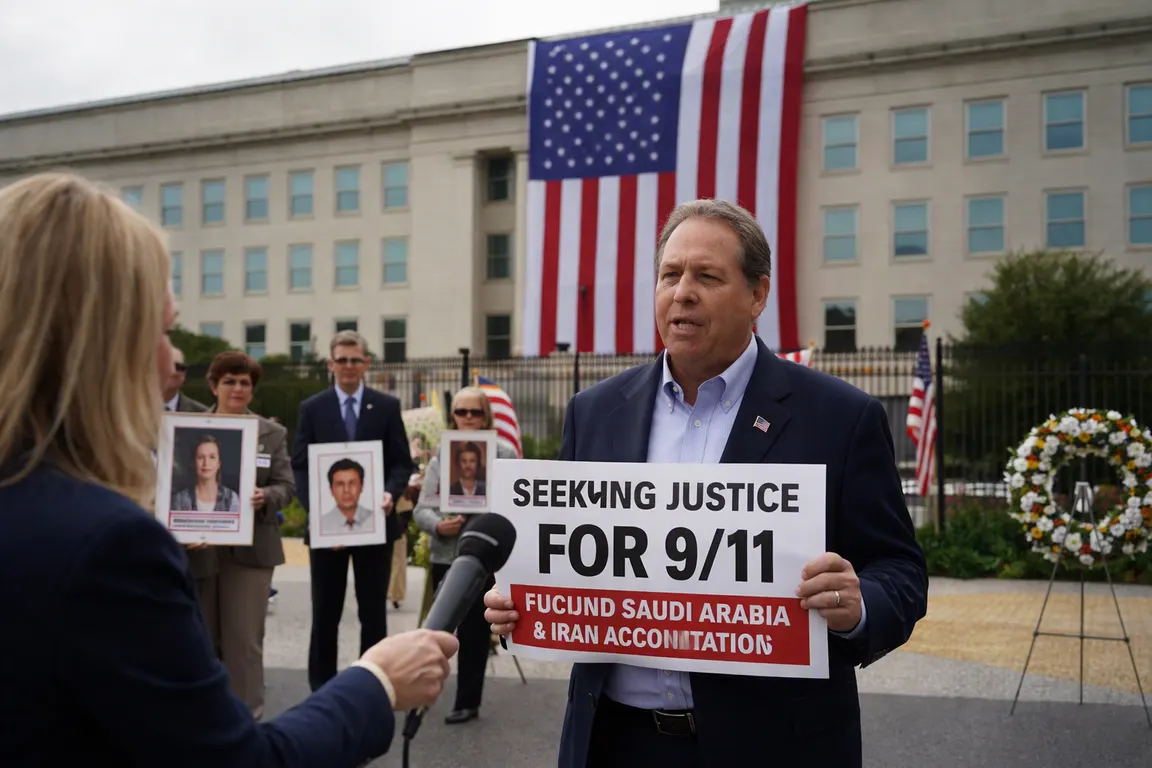
On the 25th Iran Saudi 9/11 anniversary, the United States marked the deadliest terrorist attack on its soil with ceremonies at Ground Zero in New York and the Pentagon in Washington, D.C. The solemn events also became a flashpoint for competing narratives about state responsibility.
At the Pentagon, President Donald Trump and Defense Secretary Pete Hegseth warned that Iran had "cheered on 9/11" and warned of an "Islamic theocracy" threatening America. Their remarks echoed a line of rhetoric that has persisted despite intelligence assessments that Iran had no operational role in the attacks.
Meanwhile, at Ground Zero, 9/11 victim‑widow Terry Strada broke from the prepared script to call on the United States to hold Saudi officials accountable for financing the hijackers. Her unscripted appeal drew applause and reminded the audience of a federal judge’s finding last year that there is sufficient evidence to infer Saudi operatives assisted the plot, a finding that underpins a civil suit filed by families of the victims.
The ceremonies followed the usual format: families read the names of the 2,977 victims and observed a moment of silence. No new legislative proposals were announced, but the divergent remarks have already prompted members of the House Foreign Affairs Committee to schedule hearings on whether the Justice Against Sponsors of Terrorism Act (JASTA) should be expanded to cover additional state actors.
Critics, including several 9/11 scholars, described the president’s and secretary’s statements as outdated propaganda that could distract from the evidence‑based focus of the ongoing Saudi lawsuit. Media outlets noted a shift in terminology, with journalism associations and the BBC issuing guidance to avoid labeling the attacks as "terrorist" in order to maintain neutral reporting.
The policy implications remain uncertain. While the anniversary did not produce immediate legislative action, the renewed emphasis on state responsibility is likely to shape upcoming hearings on JASTA and the administration’s approach to Iran’s nuclear and missile programs. Lawmakers have signaled interest in revisiting sanctions relief for Iran if credible evidence of involvement ever emerges, and the Saudi lawsuit could pressure Washington to demand greater transparency from Riyadh.
As the nation reflects on the lives lost, the central question for policymakers is whether the anniversary rhetoric will translate into concrete steps—new hearings, revised sanctions, or legislative amendments—or remain a symbolic contest of blame. The next round of congressional hearings, slated for the coming months, will determine how far the renewed focus on Iran and Saudi Arabia moves from rhetoric to actionable policy.