

Iowa steel plant proposal sparks debate ahead of 2026
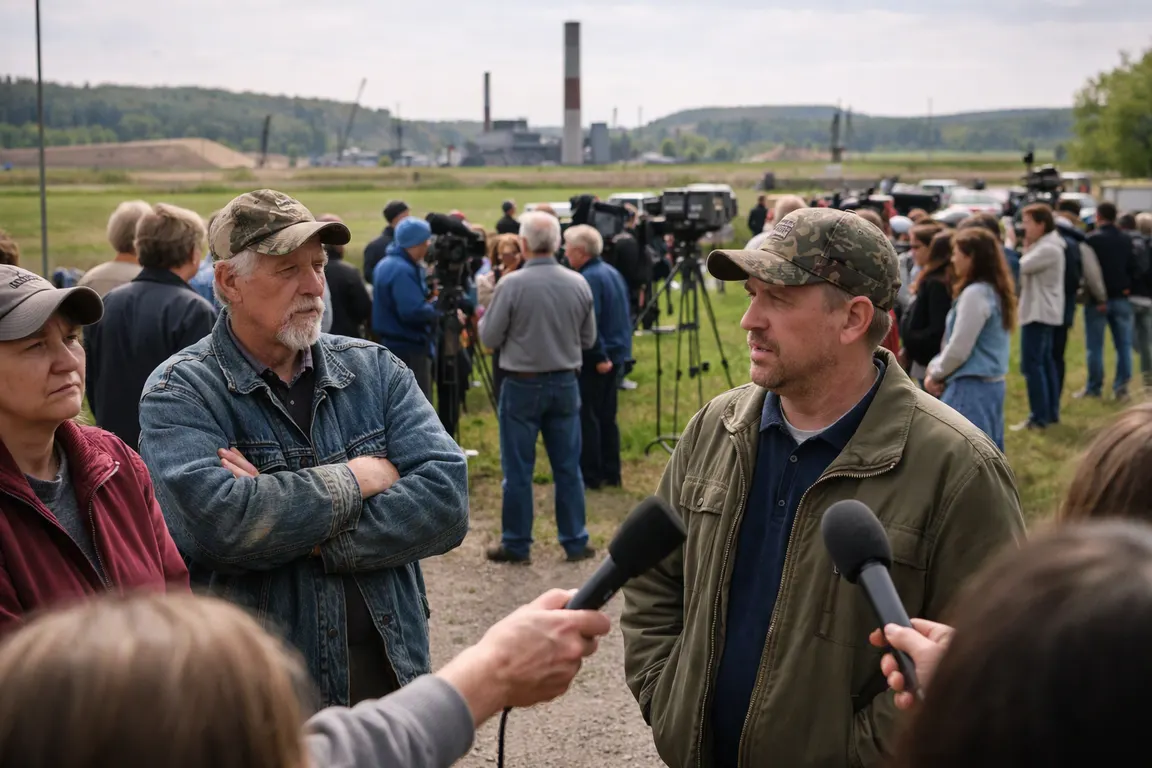
President Donald Trump announced Monday that Indian‑owned Mesabi Metallics will build a $15 billion steel plant in Iowa, the White House says the largest steel facility ever constructed in the United States. The company plans to begin production in 2030. The Iowa steel plant proposal arrives just before the 2026 midterm contests, where control of the state Senate could hinge on the race.
Lawmakers and campaign staff are already citing the plant as a potential economic boost, while critics point to the lack of disclosed financing, permitting and environmental review details. The White House described the facility as using advanced steel‑making technology to supply high‑quality, affordable steel to U.S. manufacturers. Mesabi Metallics confirmed it will lead construction but offered no specifics on capital sources, projected job numbers or the schedule for state and federal permits.
Top Republican officials attended an Oval Office briefing, emphasizing construction‑phase employment and long‑term manufacturing jobs for local residents. Supporters argue a domestic steel source could reduce reliance on imports and lower material costs for regional manufacturers, strengthening Iowa’s industrial base.
Environmental groups noted that the announcement did not include an environmental impact assessment or details on compliance with the Clean Air Act and state regulations. Without a publicly available review, nearby communities lack clarity on potential air‑quality, water‑use or land‑use impacts. The groups are calling for a thorough review before any ground is broken.
State agencies have not yet issued permits for a project of this scale, and federal agencies such as the Environmental Protection Agency are expected to conduct separate reviews. The White House timeline—construction through the late 2020s with production in 2030—assumes permitting will proceed without major delays, an assumption that remains untested.
Financial transparency is also unresolved. Public filings have not revealed whether the $15 billion budget will be financed through private equity, debt markets or a combination of sources. Analysts caution that large infrastructure projects often encounter cost overruns when financing structures are not fully disclosed, potentially shifting risk onto taxpayers or local municipalities.
Politically, the steel plant has become a talking point in the Iowa Senate campaign. Candidates on both sides are positioning themselves in relation to the project—some highlighting it as evidence of economic revitalization, others questioning the haste of the announcement and the lack of environmental safeguards. The proximity of the announcement to the election cycle suggests the proposal will feature prominently in debates, advertisements and voter outreach.
The next concrete step will be the submission of permit applications to the Iowa Department of Natural Resources and the U.S. Army Corps of Engineers. Those reviews will determine whether construction can begin on schedule and will likely be scrutinized by industry advocates and environmental watchdogs alike.
The ultimate impact of the steel plant on Iowa’s economy and the broader U.S. steel market remains uncertain. While the promise of a large domestic producer is clear, the absence of publicly available data on financing, job projections and environmental compliance leaves voters and stakeholders with unanswered questions as they head to the polls later this year.