

Family Files ICE Federal Lawsuit Over Minneapolis Shooting
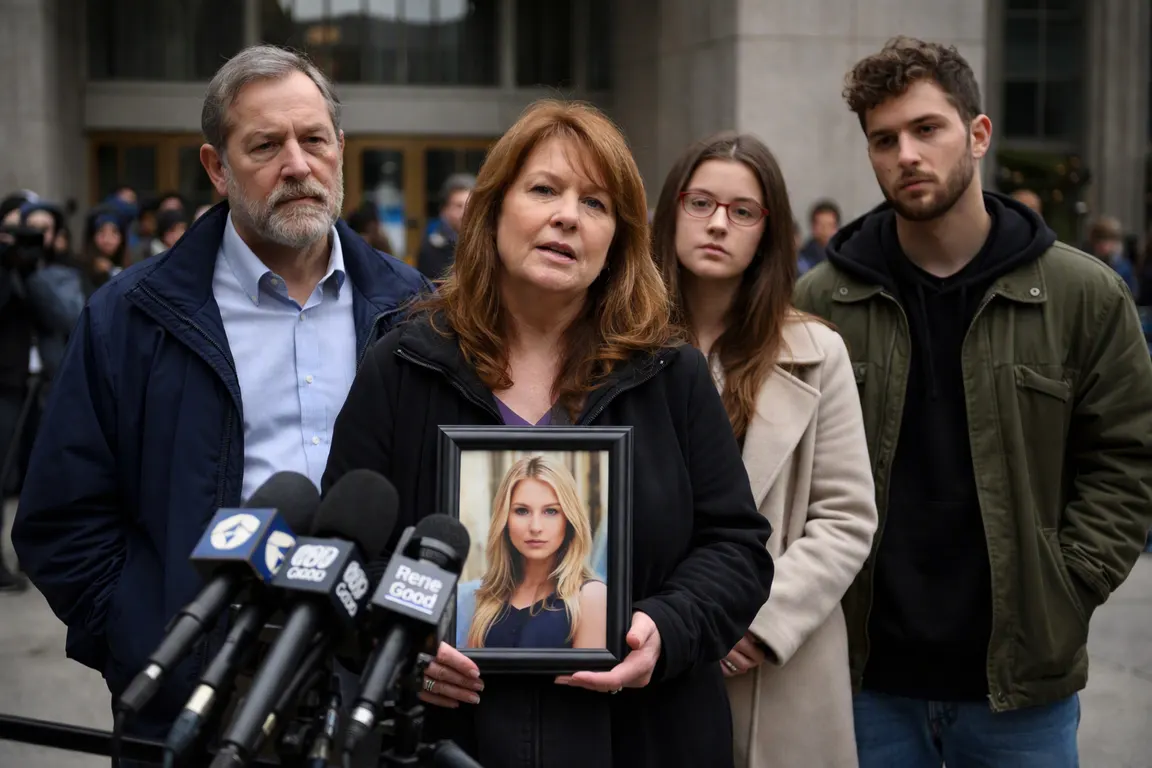
The Good family has filed an ICE federal lawsuit Minneapolis, bringing two federal civil suits nine months after the death of Renee Good, a 31‑year‑old U.S. citizen shot by an ICE officer during an enforcement action.
The complaints argue that ICE and senior officials from the Trump administration created a policy environment that encouraged the use of lethal force. The suits seek a court‑ordered reassessment of ICE training, oversight and accountability, as well as monetary damages.
Good was shot during an ICE operation that sparked protests and a federal investigation. Family attorney Shaquille Brewster told NBC News, the BBC and Al Jazeera that the officer’s actions were “reckless” and violated civil‑rights protections. One complaint seeks damages for wrongful death and excessive force against the ICE officer and the United States government. The second targets unnamed Trump‑era officials, claiming their policy decisions fostered a climate of state‑sanctioned violence.
Both lawsuits request monetary compensation and unspecified policy reforms. Under current law, government officials are generally immune from suit unless plaintiffs can show deliberate indifference to constitutional rights. The Good family argues that Trump‑administration directives—such as expanded detention authority and aggressive enforcement priorities—directly contributed to an environment where lethal force was more readily employed.
Legal analysts note that establishing a causal link between high‑level policy and an individual officer’s decision is difficult. Plaintiffs must identify specific statutes or constitutional provisions they allege were violated, such as the Fourth Amendment’s protection against unreasonable seizures. The filings do not name the Trump officials, a factor that could affect the case’s viability and the court’s jurisdiction.
Regardless of the hurdles, the lawsuits could influence the ongoing debate over ICE’s use‑of‑force standards. Watchdog groups and lawmakers have recently called for clearer guidance, mandatory de‑escalation training and independent oversight of lethal incidents. If a court orders policy changes, ICE may have to revise training curricula, tighten reporting requirements and adjust the criteria for authorizing deadly force.
The Good family’s action resonates within immigrant communities that view the lawsuits as a test of federal accountability. Advocacy organizations have highlighted the case as emblematic of broader concerns that aggressive immigration policies erode trust between law‑enforcement agencies and the public, potentially compromising community safety.
The lawsuits were filed in federal court, though the specific venue has not been disclosed. The next procedural step will be a motion to dismiss, where defendants argue that the claims lack legal merit. The court’s ruling on that motion will determine whether the case proceeds to discovery, allowing plaintiffs to seek internal communications and policy documents linking Trump‑era directives to the Minneapolis shooting.
Observers will watch for any judicial findings that could set precedent for holding federal agencies and senior officials accountable for enforcement actions. The outcome may shape ICE’s operational protocols and the broader landscape of civil‑rights litigation against federal law‑enforcement bodies.