

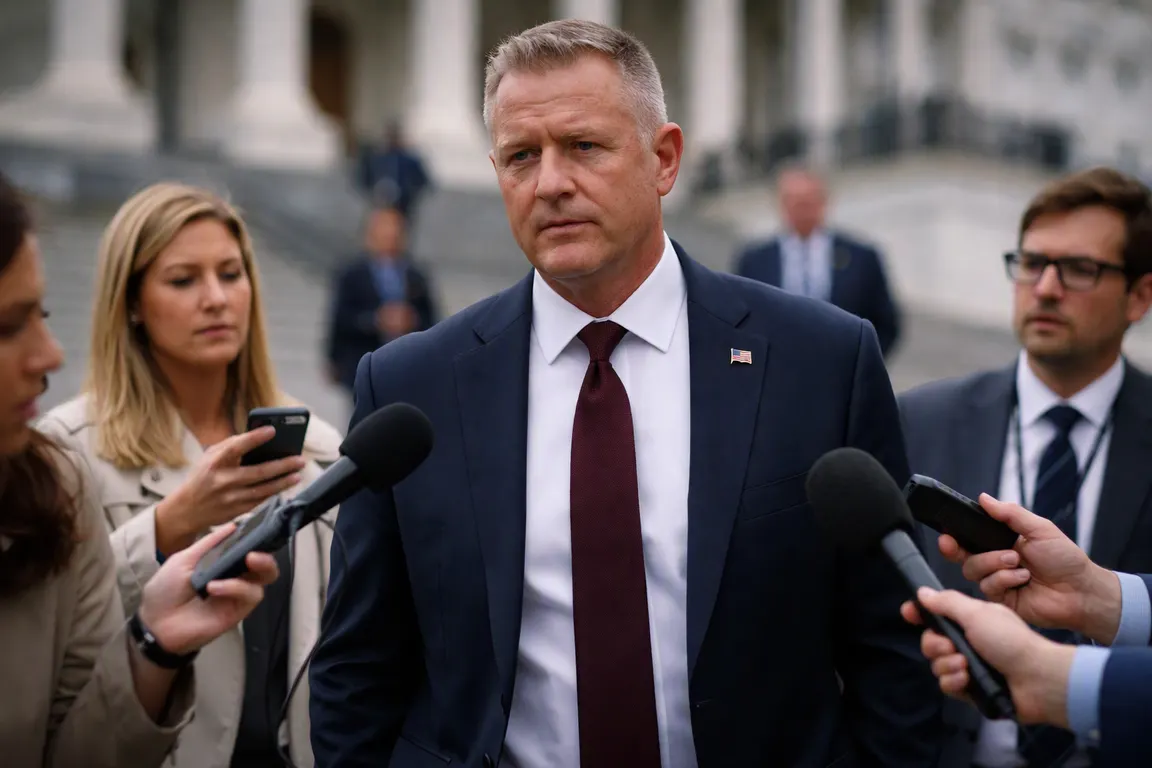
The White House announced Thursday that it has withdrawn the ICE director nomination after Senate concerns over experience and a request for data on custody deaths. Lance Schroyer, a former Oklahoma state trooper, was nominated in early June but faced growing opposition in the Senate and criticism from immigration‑policy observers.
A Republican senator publicly demanded data on deaths of U.S. citizens while in ICE custody, a request the administration has not fulfilled. That objection, combined with concerns about Schroyer’s lack of immigration‑policy experience, prompted the White House to end the nomination less than three months after it was first announced.
Schroyer’s career has been rooted in law‑enforcement, not immigration. He spent more than two decades with the Oklahoma Highway Patrol and later served as a state trooper. None of his prior roles involved managing an agency that enforces federal immigration law, a point highlighted by coverage in The Independent and The Guardian. Critics argued the gap in policy experience could hinder ICE’s ability to carry out the administration’s enforcement agenda while staying within legal bounds.
Senate hearings began in late June. The same Republican senator who raised the fatal‑custody question also signaled broader unease about the nominee’s qualifications. While the senator’s name was not disclosed in the reports, the demand for transparency on ICE‑related deaths reflects a growing procedural scrutiny of high‑profile appointments. Democrats and some Republicans joined the criticism, saying the agency needs a director who understands both operational complexities and the legal framework governing deportations and detentions.
With the nomination withdrawn, ICE will continue under an acting director while the administration searches for a permanent replacement. The delay could stall pending initiatives, such as expanding detention capacity and rolling out new enforcement priorities announced earlier this year. Immigrant‑advocacy groups and businesses that rely on a predictable enforcement environment are watching the leadership vacuum closely.
The episode also shows how external pressure can influence White House decisions. Media outlets ranging from the BBC to NBC reported the withdrawal, each emphasizing different aspects of the controversy. The BBC focused on the senator’s request for data on citizen deaths, NBC noted the withdrawal, while The Independent stressed the nominee’s limited credentials and The Guardian linked the criticism to concerns about suitability for an agency tasked with a "tough" enforcement stance.
Looking ahead, the White House has not identified a successor. Potential candidates will likely need to demonstrate both law‑enforcement experience and a track record in immigration policy to satisfy Senate scrutiny. The episode may set a precedent for future nominations, signaling that procedural objections and experience gaps can derail appointments even when they align with an administration’s policy goals.
Congress is expected to continue its oversight of ICE leadership, and the unanswered question remains: what criteria will ultimately determine the next director’s suitability for guiding the nation’s primary immigration‑enforcement agency?