

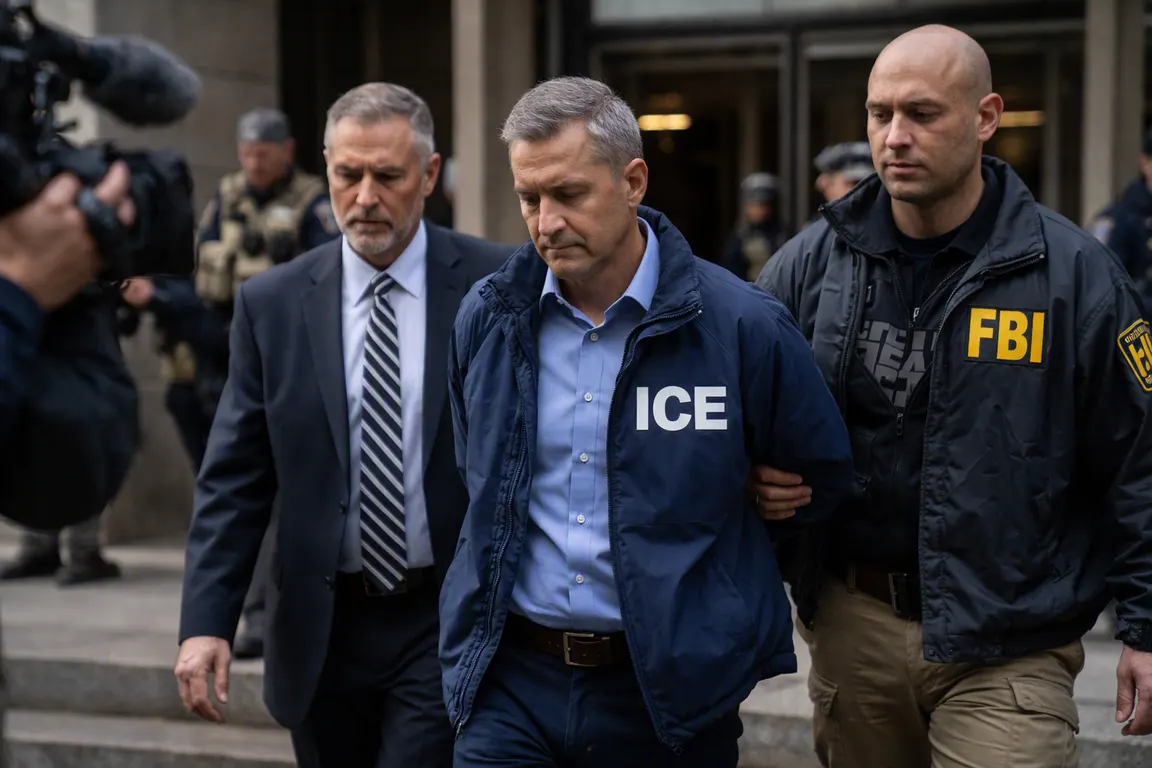
A federal grand jury on Wednesday indicted ICE Special Agent Christian Castro, 52, on a false‑statement charge for lying to investigators about a Jan. 14, 2024 shooting that wounded Venezuelan migrant Julio Cesar Sosa‑Celis in a Minneapolis home. The indictment, released by the U.S. Attorney’s Office, marks the first time a federal officer has been prosecuted for the statements he gave rather than the gunshot itself, highlighting a rare clash within the Justice Department over how ICE officers are held accountable.
On the night of Jan. 14, Castro entered a Minneapolis residence during a joint ICE‑local police operation and fired through the front door, striking Sosa‑Celis in the leg. The victim survived, but the incident added to a wave of protests that followed the Jan. 7 killing of immigrant activist Renee Good and the Jan. 28 murder of Alex Pretti. ICE placed Castro on administrative leave pending investigations.
Minnesota prosecutors initially sought civil‑rights and assault charges, arguing that Castro’s use of force violated the victim’s constitutional rights. DOJ leadership in Washington declined those recommendations and pursued only a misdemeanor count of making false statements to federal investigators, a charge that carries a maximum five‑year sentence. The rationale for the narrower charge has not been publicly explained.
Castro also faces state charges in Minnesota, including felony assault and filing a false police report. Minnesota officials requested his extradition from Texas, where Castro was transferred after the indictment, but Governor Greg Abbott declined, citing procedural concerns. The refusal stalls the state case and forces Minnesota prosecutors to consider alternative tactics such as an arrest warrant or a federal‑state cooperation agreement.
The indictment has drawn coverage from several outlets. NBC and Al Jazeera emphasized the false‑statement charge, while the Manila Times noted the DOJ’s decision to forgo civil‑rights charges. The differing angles underscore the limited transparency around internal Justice Department deliberations.
For Sosa‑Celis and his family, the legal battles mean ongoing medical treatment, potential immigration consequences, and the emotional strain of a high‑profile case. Within ICE, the charge has raised unease among agents who worry about heightened scrutiny and its impact on morale and operational flexibility. Immigrant communities in Minnesota, already wary after recent killings, now confront renewed fear that federal raids may proceed with limited accountability.
Legal experts say the case could set a precedent for how future incidents involving ICE officers are prosecuted. A conviction on the false‑statement count might encourage prosecutors to pursue narrow charges when broader civil‑rights accusations encounter internal resistance. Conversely, a dismissal could reinforce the perception that federal officials are insulated from more serious accountability.
Castro’s next step is a scheduled arraignment in federal court, where he will enter a plea to the false‑statement count. Minnesota attorneys are preparing to refile or advance their state charges, a process likely to be delayed further by Texas’s extradition stance. How the courts handle the overlapping federal and state proceedings, and whether the Justice Department will revisit its charge selection, will shape the balance of oversight between federal immigration enforcement and community rights.