

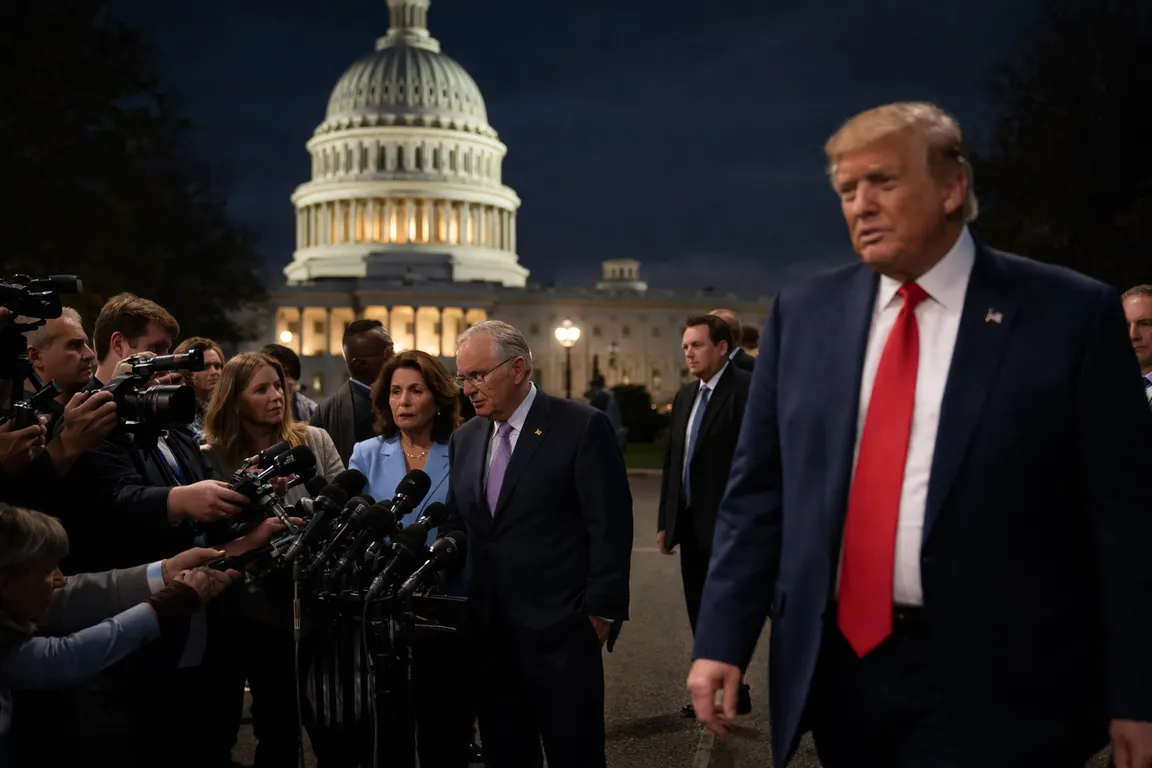
The 21st Century ROAD to Housing Act, also known as the Housing Bill, will become law at midnight, despite President Trump's refusal to sign the bill due to a disagreement over voting act legislation.
This development highlights a deeper disagreement over election reform and the use of the filibuster in the Senate. The housing bill, which passed the Senate 85-5 and the House 358-32, aims to expand housing supply and lower costs. It includes provisions to restrict large institutional investors from buying up single-family homes and expand access to smaller mortgages.
The bill's passage has significant implications for millions of Americans struggling with housing affordability. The legislation will help increase the availability of affordable housing and reduce costs for homebuyers. President Trump had demanded that the Senate pass the SAVE America Act, which requires photo identification to vote and proof of citizenship to register, in exchange for his signature on the housing bill.
The SAVE America Act has failed to pass the Senate five times. Senate Majority Leader John Thune has refused to gut the filibuster, a key point of contention in the standoff. House Speaker Mike Johnson has said the housing bill will become law regardless of Trump's signature. The standoff between Trump and Senate Republicans could also impact the midterm elections.
As the deadline for the bill to become law looms, the disagreement over election reform and the filibuster remains unresolved. The housing bill will become law, but the underlying tensions between Trump and Senate Republicans will likely continue to simmer. The new law will take effect, providing relief to those struggling with housing costs, but the ongoing dispute may have further implications for future legislation.