

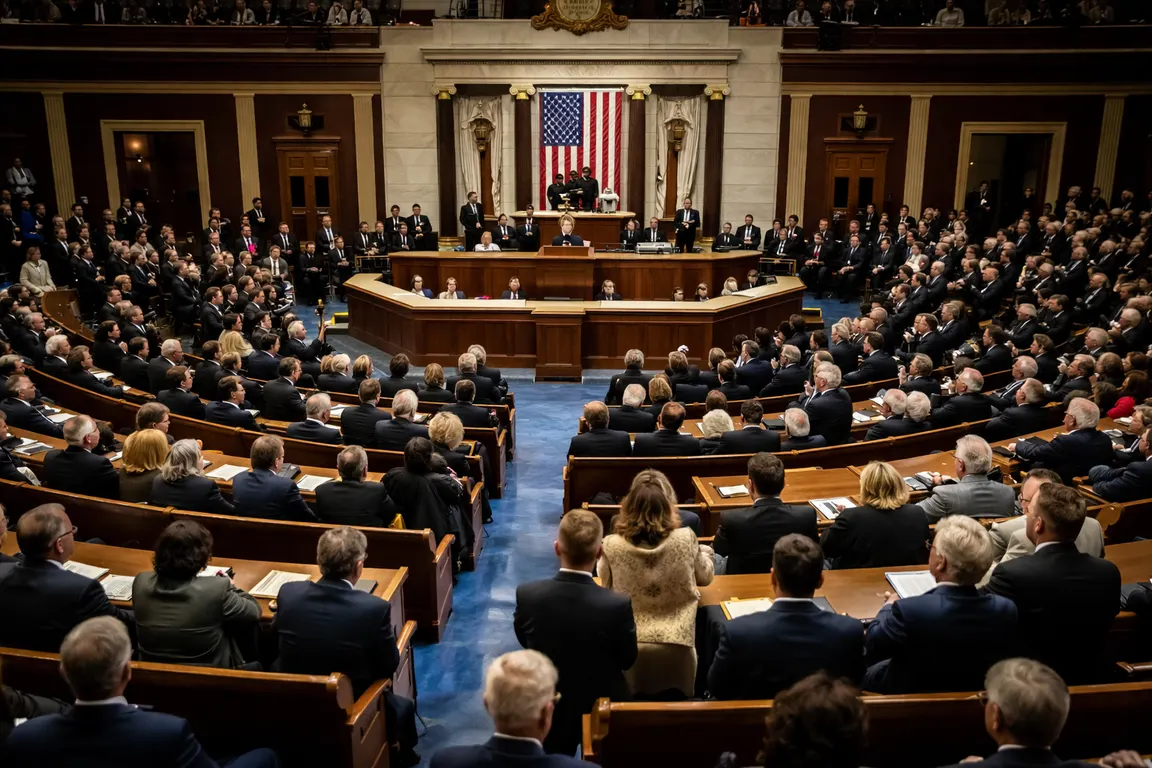
The US House of Representatives has passed a $1.15 trillion defense policy bill, known as the National Defense Authorization Act (NDAA), in a near-party-line vote of 216-212. The bill is a key part of the president's plan to spend $1.5 trillion on the military in the 2027 fiscal year. The House also passed a $95 billion budget proposal to fund the Iran war and other priorities, with two Republicans and one independent opposing it.
The passage of these bills marks a significant development in US defense policy and budget, with potential implications for national security, the economy, and communities affected by the Iran war and other global conflicts. Seven House Republicans broke ranks to oppose the NDAA, highlighting divisions within the party. The measures now go to the Senate for consideration, where they could face further debate and potential modifications.
The bills could affect communities impacted by the Iran war, as well as the broader US economy and national security landscape. The House passed the defense bill and budget proposal after a sequence of events that began with the introduction of the bills and culminated in the near-party-line votes. As the Senate considers the bills, questions remain about how they will be modified and what the ultimate impact will be on the US and its allies.
The Senate's deliberations will be closely watched, particularly given the partisan divisions surrounding the bills. Some lawmakers are pushing for changes to the legislation, which could impact the final outcome. The fate of the bills will depend on the ability of lawmakers to find common ground and pass legislation that addresses the nation's defense and economic needs. The potential consequences of these divisions are still unclear, but they could have significant implications for the US's national security and economic trajectory.
The NDAA and budget proposal are expected to be contentious issues in the Senate, with lawmakers on both sides of the aisle weighing in on the legislation. The bills' impact on the US economy, national security, and global conflicts will be closely examined, and any changes made by the Senate will be carefully considered. Ultimately, the passage of these bills will depend on the ability of lawmakers to balance competing interests and priorities, and to find a solution that benefits the nation as a whole.