

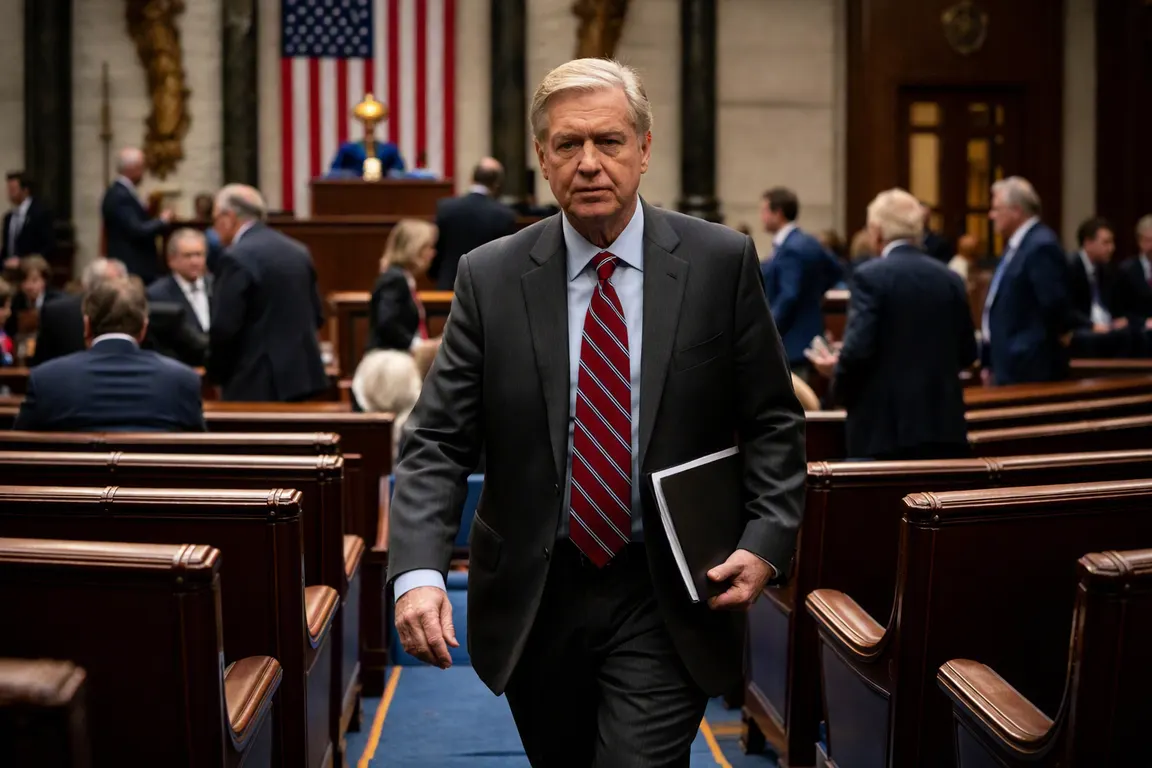
The U.S. House approved the Lindsey Graham Russia Sanctions Act on Wednesday, voting 262‑159 and sending the measure to President Donald Trump for signature. The bill broadens sanctions on Russian officials, banks and a shadow tanker fleet, and gives the president authority to impose tariffs of up to 100 percent on the five largest foreign importers of Russian oil or gas.
The legislation marks the first major congressional step in more than two years to fund Ukraine and pressure Russia’s energy revenues, a move that comes as the 2024 election cycle intensifies. By granting sweeping tariff powers, the bill raises questions about potential cost impacts on U.S. consumers and on allied nations that rely on Russian energy.
The measure cleared the Senate in May by an 86‑11 vote before reaching the House. Republicans voted overwhelmingly in favor—203 for, seven against—while 58 Democrats supported it and 152 opposed. Ukrainian President Volodymyr Zelenskyy praised the action on social media, urging swift implementation to sustain military and humanitarian assistance.
Key provisions target Russian financial and logistical networks. Sanctions will freeze assets of designated officials, cut off designated banks from the U.S. financial system, and criminalize the operation of a shadow tanker fleet used to evade existing export controls. The tariff authority allows the president to levy duties of up to 100 percent on the top five foreign importers of Russian oil or gas, with a carve‑out for countries that import less than 15 percent of Russia’s gas and demonstrate significant reductions in overall imports.
President Trump has indicated that his support depends on the inclusion of a five‑year extension of existing Iran sanctions, a condition he has tied to the bill’s final form. The administration’s stance underscores how separate foreign‑policy priorities intersect as lawmakers negotiate the bill’s implementation.
Analysts warn that invoking the tariff provisions could raise fuel and energy prices for American households, noting that higher costs for imported oil often ripple through domestic markets. Nations that purchase large volumes of Russian energy—such as India and China—could face punitive duties, potentially straining diplomatic ties and prompting them to seek alternative suppliers. Critics argue the tariffs may undermine relationships with U.S. allies and impose collateral costs on consumers.
Supporters contend the sanctions and tariff tools are necessary to choke Russia’s revenue streams that fund its war in Ukraine. They also say the measures send a clear signal of U.S. resolve ahead of the November elections, where national‑security credentials are likely to influence voter decisions.
The next step is President Trump’s decision. He has a limited window to sign or veto the bill before it returns to Congress, where a veto could be overridden only with a two‑thirds majority in both chambers. Lawmakers on both sides are watching closely, as the outcome will shape the United States’ ability to sustain Ukraine aid and to leverage energy policy as a diplomatic lever against Russia.