

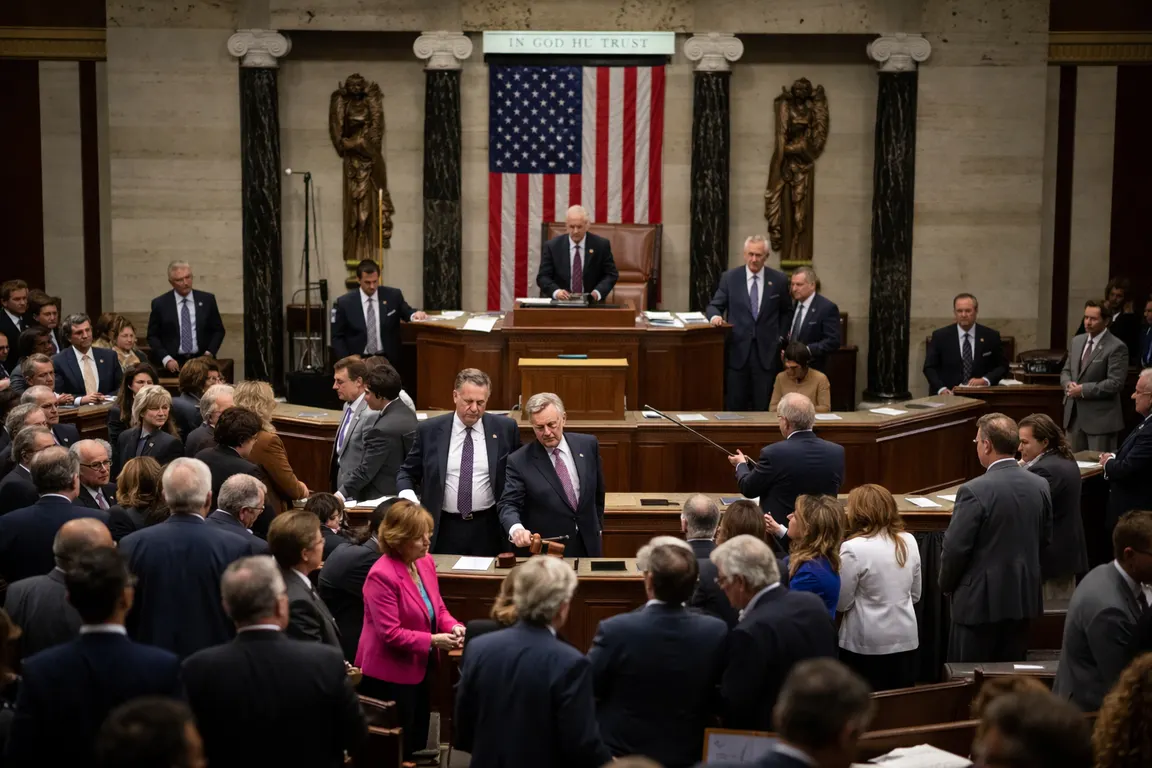
The US House of Representatives passed a $1.15 trillion Defense Bill on July 22, with a 216-212 vote. The bill includes a 3.6 percent pay raise for all military members and allocates almost $1.1 trillion to the Department of Defense and over $41.14 billion to the Energy Department to manage the nation's nuclear arsenal.
The bill's passage has significant implications for the country's defense spending and election integrity. The House Armed Services Committee Republicans stated the bill would help rebuild 'depleted stockpiles' as the United States expends large amounts of projectiles. The bill provides approximately $250 billion more than the 2026 NDAA.
The Senate Democrats blocked a procedural vote to advance the NDAA in the upper congressional chamber on July 15 with a 50-46 vote. The passage of the bill sparks controversy and uncertainty over the nation's election integrity and defense spending. The key provisions of the bill have significant implications for military members, voters, and those impacted by the war.
The bill also includes the SAVE America Act, which aims to require photo ID to register to vote. The next steps for the bill in the Senate are uncertain, with disagreement between Republicans and Democrats on top-line defense and non-defense spending levels. The bill's impact on the nation's economy and defense spending will be closely watched in the coming weeks.
The Senate will now consider the bill, and its fate remains uncertain. The uncertainty over the prospects of the SAVE America Act in the Senate adds to the controversy surrounding the bill. The bill's implications for the nation's defense spending, election integrity, and the ongoing conflicts will continue to be a topic of discussion in the coming weeks.