

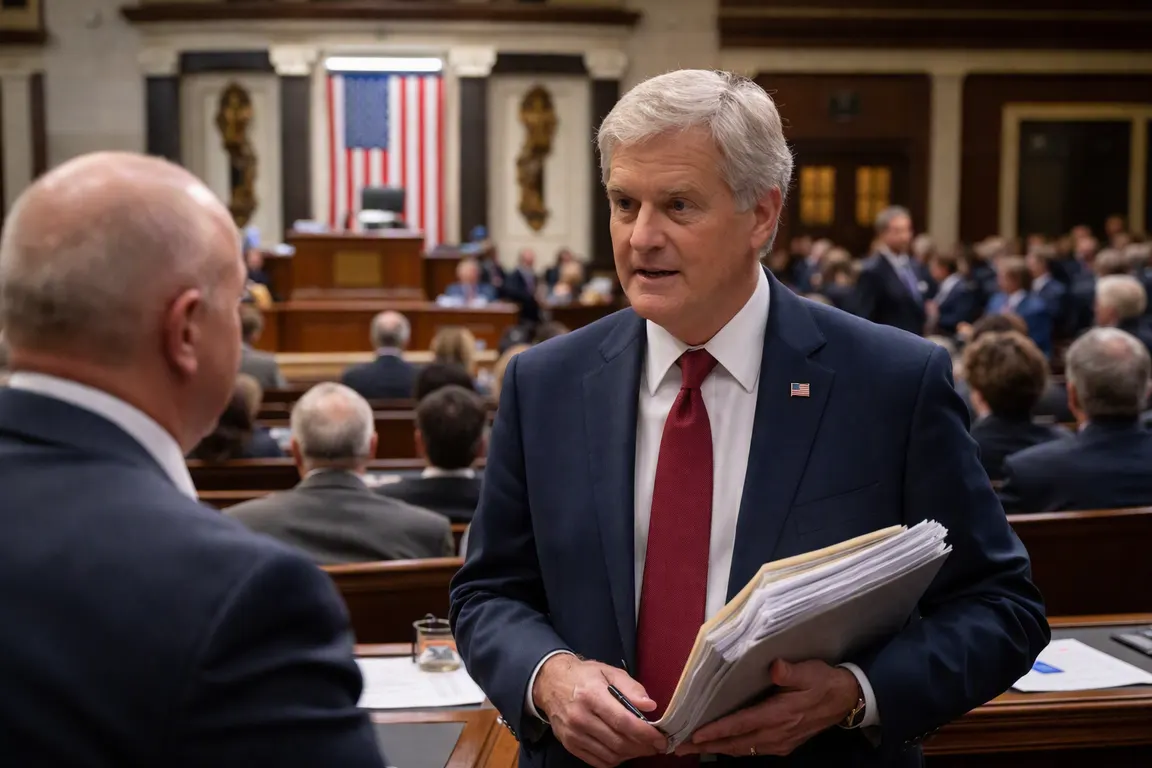
WASHINGTON — The U.S. House of Representatives approved legislation that would allow a tariff of up to 100 percent on any Russian crude or refined product imported into the United States. The measure, championed by Rep. Doug Graham, has no implementation timetable and still requires Senate approval and Treasury rulemaking before it could take effect.
The bill arrives as Washington intensifies economic pressure on Moscow and signals to allies and rivals alike that it is willing to use trade tools in the broader strategic contest with Russia and China. For India, which has increased its purchases of discounted Russian oil in recent years, the proposal raises questions about the cost of maintaining that supply line.
Indian officials told Al Jazeera that a 100‑percent duty would strain U.S.–India relations and that New Delhi will protect its economic interests, but they offered no details on the volume of Russian oil the country currently imports. Official data on India’s Russian oil purchases are limited, though analysts note that price discounts and cash‑in‑advance terms have made Kremlin oil attractive to Indian refiners.
If the tariff were enacted, Indian refiners could see the cost of a portion of their feedstock rise sharply. The higher expense would likely prompt a shift toward alternative supplies from the Middle East, the United States or other sources. Downstream industries and consumers could feel price pressure, depending on how quickly importers can pivot.
U.S. lawmakers present the tariff as a lever to pressure Russia while also sending a message to China and other partners that Washington can impose economic costs for perceived strategic misalignments. The Independent World described the bill as a “weapon” for former President Trump, though the current administration has not publicly commented on the proposal.
Global oil markets are already factoring in the possibility of a punitive duty on Russian exports. Traders anticipate greater volatility as the uncertainty over supply flows persists, and U.S. exporters of alternative energy products may find new opportunities.
The legislation still faces several hurdles. The Senate must pass a companion bill, and the Treasury Department would need to issue regulations that define the tariff’s scope and enforcement mechanisms. Until those steps are completed, the tariff remains a policy option rather than an imminent reality.
For India, the immediate challenge is balancing energy security with the diplomatic cost of a U.S.-imposed duty. The outcome will shape negotiations in Washington and New Delhi in the weeks ahead, as both sides weigh the economic benefits of Russian oil against the broader strategic relationship.
The bill’s passage underscores a growing willingness in Congress to use trade measures as a tool of foreign policy, a trend that could have far‑reaching implications for global energy markets and bilateral ties with countries that rely on Russian oil.