

Homeland Security raid on Ilhan Omar, immigration oversight
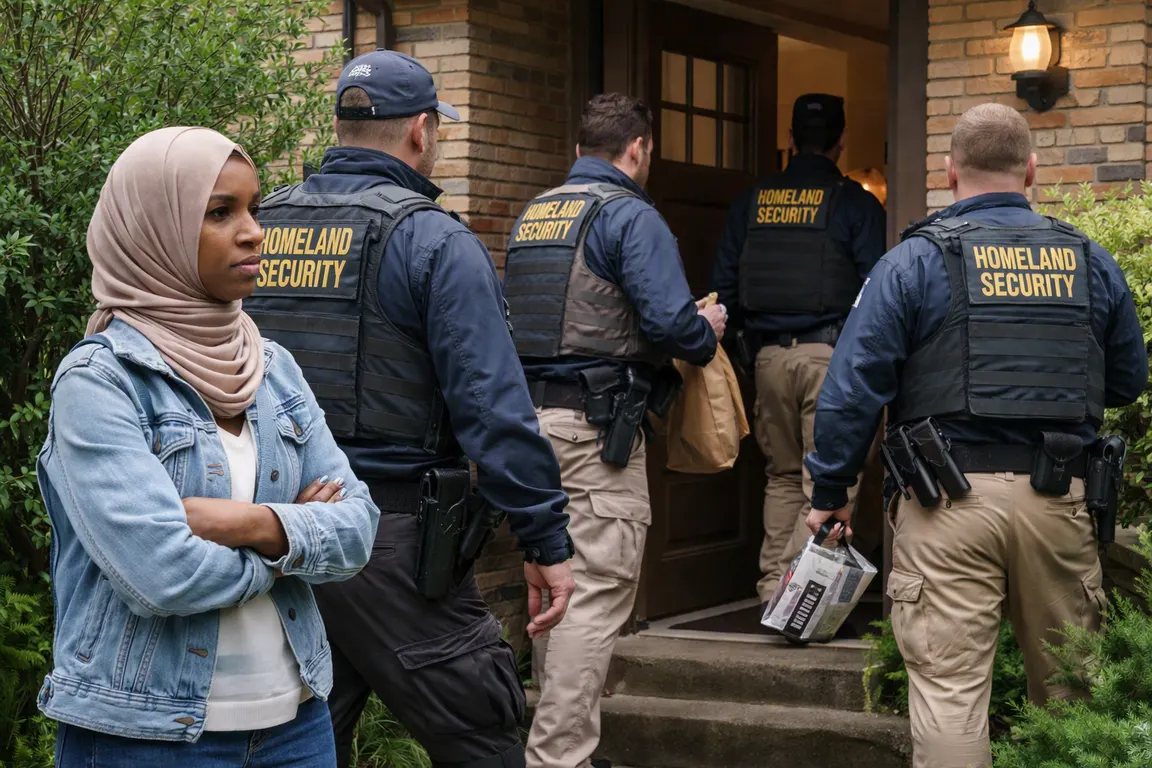
Federal agents from the Department of Homeland Security entered Rep. Ilhan Omar’s Minneapolis residence on June 19, 2024, and seized electronic devices, including her personal phone. The Homeland Security raid on Ilhan Omar is part of a criminal investigation into possible immigration‑law violations involving members of Omar’s family and has prompted renewed scrutiny of the congresswoman’s own citizenship status.
The case tests how federal authorities can investigate a sitting member of Congress for compliance with immigration and natural‑ization requirements. If investigators find evidence of wrongdoing, the outcome could affect Omar’s eligibility to serve, set a precedent for future probes of lawmakers’ personal affairs, and shape public confidence in elected officials.
The raid follows months of subpoenas targeting the immigration paperwork of several of Omar’s relatives. In early July, Homeland Security Secretary Alejandro Mayorkas confirmed that the investigation is looking at possible crimes tied to family immigration documentation. The Department of Justice has not filed an indictment or released formal charging documents as of late July.
Media coverage has varied. The BBC noted that officials have questioned Omar’s U.S. citizenship, though no definitive evidence has been disclosed. The Independent World said the scope of the inquiry remains unclear, while the New York Post framed the investigation as a partisan double standard, citing Omar’s criticism of former President Trump. These divergent narratives illustrate the tension between factual reporting and political framing.
Legal experts say investigators are likely seeking evidence that family members may have provided false information on visa or green‑card applications, or that they benefited from fraudulent documentation. Potential violations include immigration fraud, perjury or misuse of immigration benefits, each carrying criminal penalties. DHS, Immigration and Customs Enforcement and the Justice Department have authority to pursue such violations regardless of a subject’s elected status, but they must coordinate with congressional oversight bodies to respect the separation of powers.
If the probe uncovers prosecutable conduct, outcomes could range from criminal charges against family members to a review of Omar’s own natural‑ization record. The Constitution requires House members to be U.S. citizens; a finding that Omar is not could trigger a vacancy and a special election. Even without criminal findings, the House Ethics Committee could open its own review, and the case may spur legislation on how personal legal issues of lawmakers are handled.
Comparisons to past investigations are limited. Prior probes of elected officials have typically focused on financial disclosures or ethics violations rather than immigration status. The closest parallel is the 2018 inquiry into Rep. Chris Collins, which centered on insider‑trading allegations and resulted in a guilty plea. Omar’s case would be the first high‑profile federal immigration probe involving a sitting member of Congress.
For constituents in Minnesota’s 5th District, the investigation introduces uncertainty about representation should legal action proceed. Immigrant communities nationwide are watching the case as a potential test of how the government enforces immigration law when it intersects with political office. Lawmakers and ethics officials may need to develop clearer protocols for investigating personal legal matters of sitting members.
The next step is a scheduled hearing by the House Committee on Oversight and Reform, where officials are expected to brief lawmakers on the scope of the investigation while preserving law‑enforcement confidentiality. Until that hearing, the precise allegations and their legal implications remain unresolved, leaving voters and the broader public awaiting clarification.