

Homeland Security Investigations raid on Rep. Ilhan Omar's
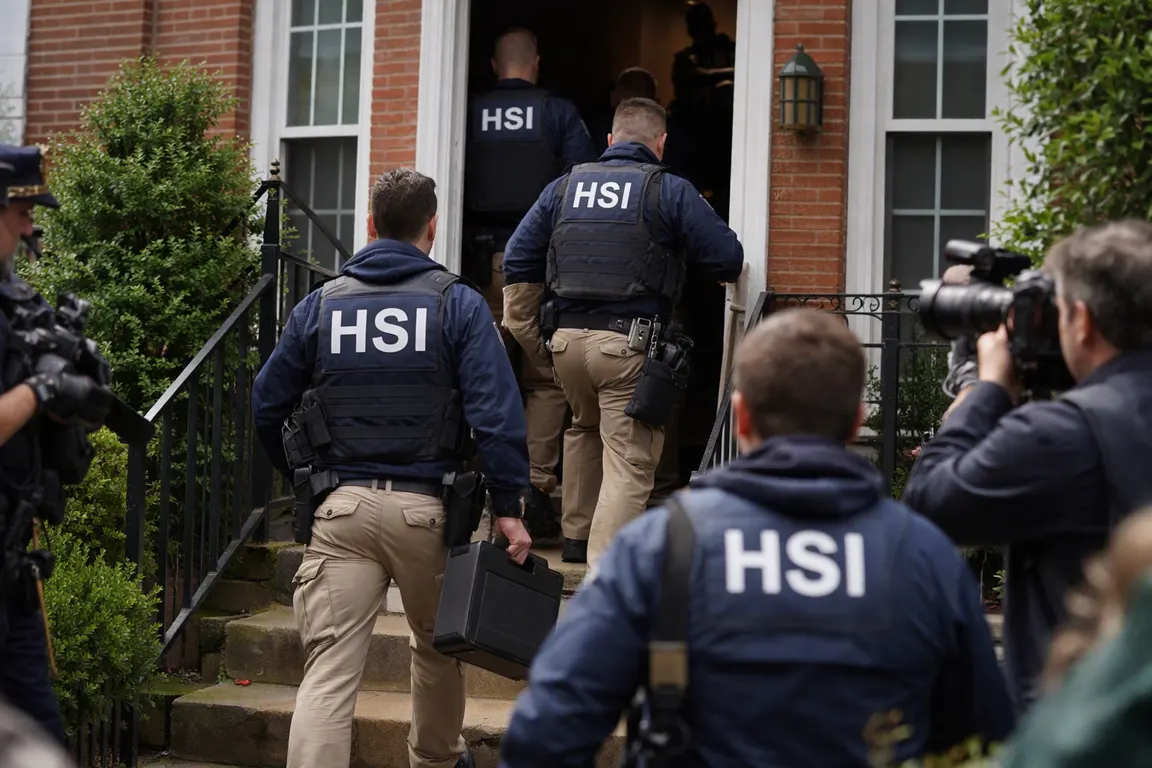
Federal agents from Homeland Security Investigations entered Rep. Ilhan Omar’s Washington, D.C., residence early this week, executing a search warrant tied to questions about her immigration documentation. Agents seized papers, disrupted the congressional office and prompted a flurry of media coverage.
The raid marks the first serious test of how immigration enforcement intersects with a sitting member of Congress. Legal scholars say the action could set a precedent for applying immigration law to elected officials, while civil‑rights groups warn it may chill public servants of immigrant background.
Homeland Security Investigations confirmed the search, but the Justice Department has not released a detailed legal justification. Media reports link the raid to speculation that records related to Omar’s father’s naturalization—or even Omar’s own citizenship—may be missing. No official documents have substantiated those claims.
Omar, a Minnesota representative born in Somalia, has faced scrutiny of her immigration background since her 2018 election. While immigration violations can be pursued against any individual, the involvement of a lawmaker raises questions about congressional oversight, potential immunity and the separation of powers. The House Ethics Committee has not announced an inquiry; Omar’s staff says they are cooperating while seeking clarification on the scope of the investigation.
The immediate impact on constituents is tangible. Staffers were displaced, and district‑office operations are temporarily limited, affecting casework and constituent services. Immigrant‑rights groups say the raid could deter civic participation and erode trust in law‑enforcement agencies.
Legal experts note that a warrant must specify the documents sought and the alleged violation. The affidavit, expected to be filed in the coming days, should reveal whether investigators are pursuing alleged fraud, missing naturalization records or another offense. Omar’s attorneys have indicated they will challenge any overreach, citing constitutional protections and due‑process rights.
Congressional leaders have called for transparency, urging the Justice Department to explain why a member of the House was targeted. The outcome could shape how future immigration investigations are conducted when they involve public officials and may influence legislative debates on limiting federal reach into the personal affairs of elected representatives.
The raid underscores a broader trend of intensified immigration enforcement under the current administration, but it also highlights the need for clear legal standards when law‑enforcement actions affect members of Congress. As the case unfolds, both the legal arguments and the political response will likely inform future policy on immigration enforcement and congressional oversight.