

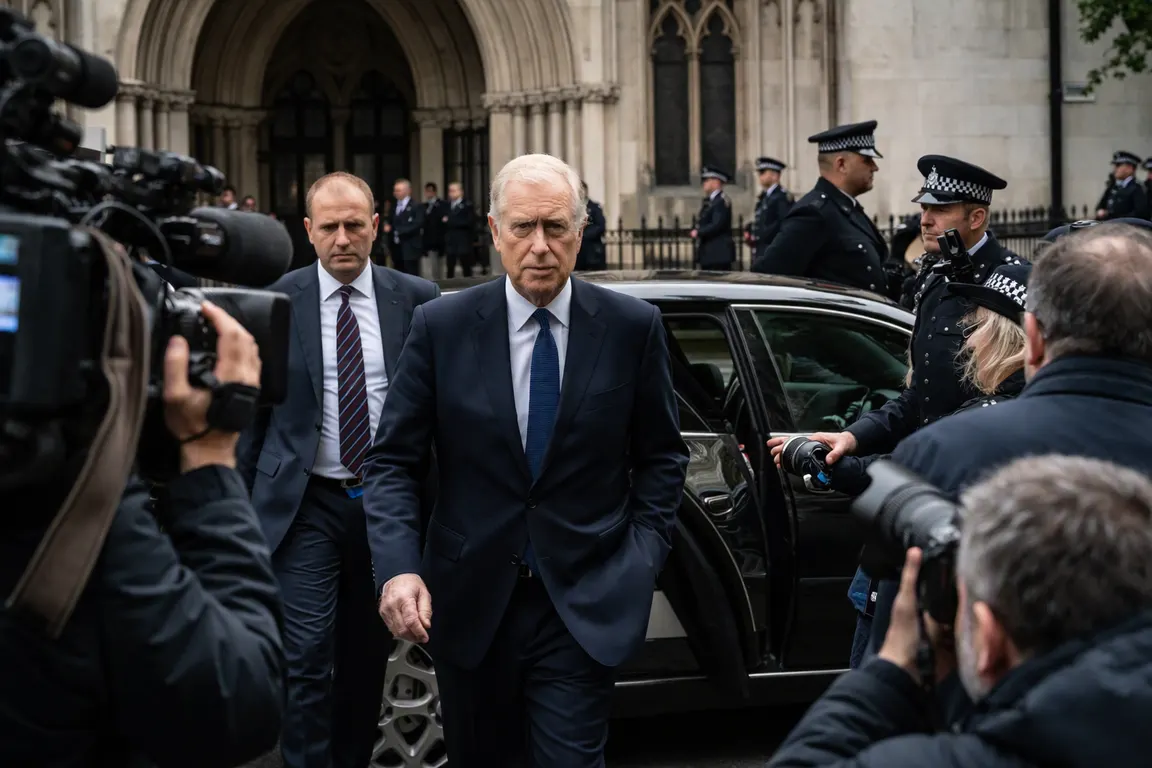
A High Court judicial‑review hearing on Thursday will decide whether the police search warrants on Prince Andrew's residences were lawfully issued. The private hearing before Mr Justice Hilliard will also consider the police request to keep the warrant applications and related documents confidential.
On 18 February 2026 a judge at the Central Criminal Court authorised the warrants, which were executed the next day. Police arrested the Prince on suspicion of misconduct in public office linked to the Jeffrey Epstein investigation, then released him later that day. Prince Andrew’s counsel filed an application to quash the warrants, arguing procedural flaws.
The Prince’s legal team contends the warrant‑issuing judge failed to apply statutory safeguards required under the Police and Criminal Evidence Act 1984, including the necessity test and a proportionality assessment. They say the warrants were overly broad, covering areas not directly tied to the alleged offence.
Thames Valley Police maintain the warrants complied with the law and argue that disclosure of the underlying material would compromise national‑security interests and the ongoing Epstein‑related inquiry. The court has not indicated whether any documents will ultimately be released.
Legal scholars note this is the first challenge of its kind by a senior royal since the 17th‑century precedent of a royal family member contesting criminal proceedings. A ruling that the warrants were unlawful could tighten judicial scrutiny of search warrants, especially where the subject holds a constitutional or symbolic role. An affirmation of the warrants would reinforce existing police powers and signal that status does not shield individuals from investigation.
The case has broader implications for public confidence in law‑enforcement. If the High Court narrows police authority, warrant‑issuing protocols may be revised to ensure stricter checks. Conversely, upholding the warrants could reassure agencies of their operational latitude.
The hearing is private, a standard practice when sensitive personal or national‑security information is involved. The disputed documents include the original warrant applications and any material seized during the raids. Their eventual release will depend on a balance between transparency and the need to protect ongoing investigations.
The outcome will be watched closely for its legal reasoning and its impact on future high‑profile investigations. The central question remains whether the judgment will tighten checks on police search powers or reaffirm the current framework, allowing the Prince’s legal battle to proceed on the merits of the underlying misconduct inquiry.