

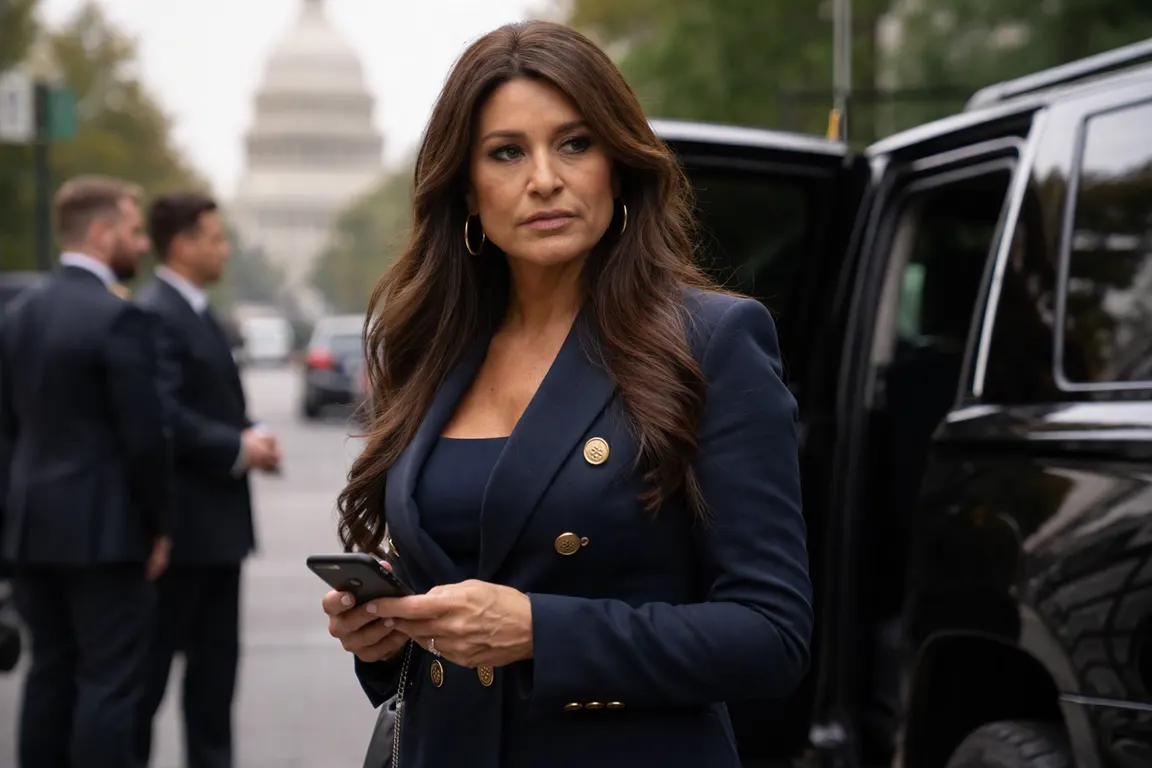
A text message purportedly sent by Kimberly Guilfoyle, the president‑designated U.S. ambassador to Greece, asks a prominent Trump donor to cover a six‑figure American Express balance, raising questions about Guilfoyle ambassador ethics and the rules governing diplomatic appointments.
The message, first reported by the New York Post and later referenced by the Wall Street Journal and The Independent World, was allegedly sent to Kentucky businessman Eric Deters, identified as a major Trump donor. The text, according to the Post, reads, “Honey please, I need you to get this done today,” requesting that Deters pay a $100,000 credit‑card bill.
Guilfoyle’s attorney has challenged the authenticity of the texts, suggesting they could be fabricated. The Wall Street Journal says it obtained the messages from a source close to the matter, but no independent verification has been offered. Neither the State Department nor Deters has confirmed or denied the request, and there is no evidence that the payment was made.
If the messages are genuine, the episode could complicate Guilfoyle’s confirmation. Federal ethics regulations prohibit federal employees, including ambassador‑designates, from soliciting or accepting gifts that might influence official actions. While personal loans are permissible under strict conditions, they must be fully disclosed and often require a waiver from the Office of Government Ethics. No public record of such a waiver has emerged.
Senate Foreign Relations Committee members have indicated they will review financial disclosures and potential conflicts for all ambassadorial nominees. A perception that a nominee relies on a donor for personal expenses could undermine confidence in the nominee’s independence and, by extension, the diplomatic mission they are slated to lead.
The incident arrives amid broader scrutiny of political appointments that depend on donor networks. Observers note that even the appearance of a financial tie between a nominee and a donor can erode public trust and prompt calls for tighter vetting and disclosure requirements.
At this time, the State Department has not announced any formal investigation, and the Senate has not scheduled a hearing specifically on the allegation. The next step is likely a review of Guilfoyle’s financial disclosures as part of the standard confirmation process, during which committee staff may seek clarification on the texts and any related financial arrangements.
The case highlights the challenges of separating private financial pressures from public responsibilities in high‑level political appointments. Until a definitive determination is made, the story remains contested, underscoring the need for clear ethical guidelines and transparency in the appointment of U.S. diplomats.