

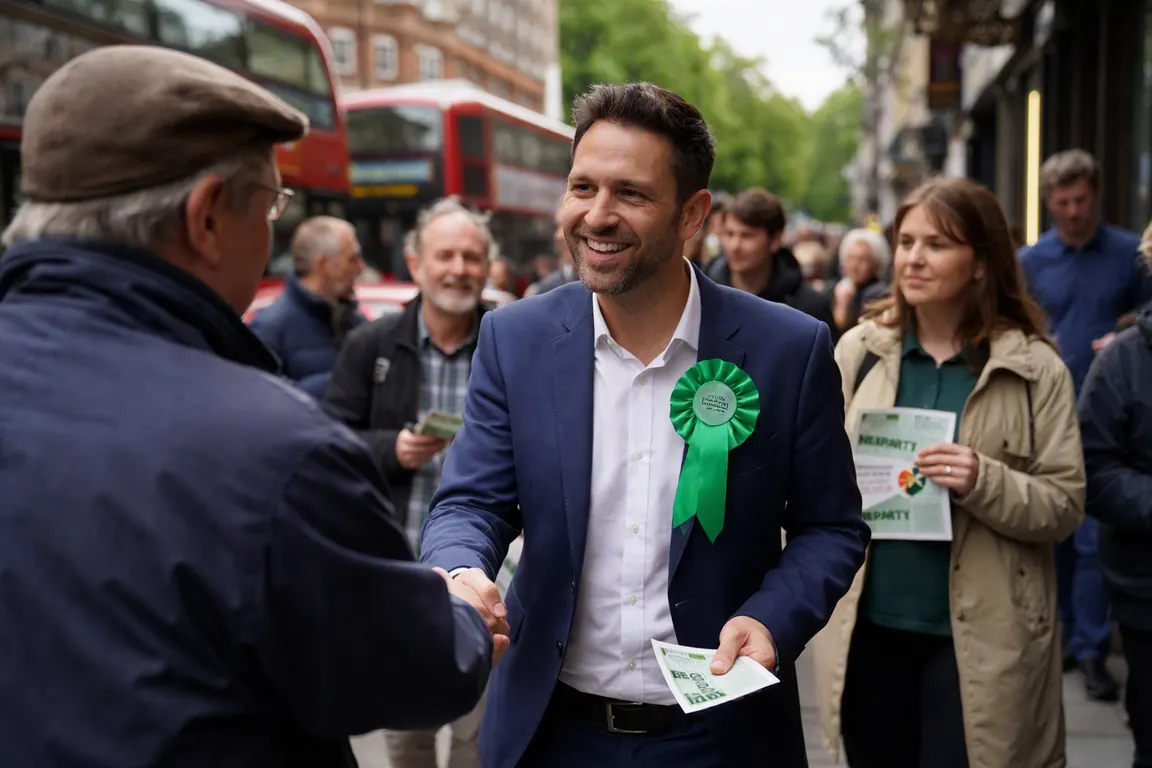
Green Party leader Zack Polanski announced Thursday that he will stand in the Holborn and St Pancras by‑election, a contest that brings the issue of Holborn by‑election funding into focus. The race follows Sir Keir Starmer’s resignation and turns a long‑standing Labour stronghold into a test of how cost‑of‑living concerns and changing party finances may affect voter preferences in a high‑cost London constituency.
The by‑election arrives as party funding in the United Kingdom is being recalibrated. Electoral Commission data for the second quarter of 2026 show Reform UK receiving £5.3 million in donations, Labour £3.6 million and the Conservatives £2.8 million. A single £4 million contribution from cryptocurrency entrepreneur Ben Delo accounts for most of Reform UK’s haul. While the figures are not tied to the Holborn race, they illustrate the scale of private money flowing into parties ahead of a contest that could attract national attention.
Polanski framed his candidacy around everyday pressures of paying bills, telling the Camden New Journal he will “stand up for people struggling to pay their bills” if elected. The Green platform couples climate action with measures aimed at reducing household energy costs, expanding affordable housing and increasing low‑emission transport options – issues that resonate in a constituency where rents and living expenses rank among the highest in the country.
Labour has held Holborn and St Pancras for decades, but the seat became vacant after Starmer announced he would step down as MP, prompting a by‑election that has yet to be scheduled. No other candidates or detailed policy proposals have been disclosed in the available reports, leaving the field open and the electorate without a full picture of the choices ahead.
The funding disparity highlighted by the Electoral Commission could shape campaign dynamics. Reform UK’s sizable donation pool may enable a robust ground operation, while Labour’s and the Conservatives’ lower totals suggest more modest resources. The Green Party’s financial position was not detailed in the sources, but Polanski’s entry adds a third‑party voice that could split the progressive vote or force the major parties to address the cost‑of‑living narrative more directly.
For residents of Holborn and St Pancras, the by‑election could shift local advocacy from traditional Labour‑led priorities to a Green‑centred agenda on affordable energy and sustainable housing. A Green win would signal voter appetite for parties that foreground immediate economic relief alongside environmental goals, potentially influencing future fundraising strategies and policy positioning at the national level.
The next step is the issuance of a formal by‑election timetable by the Speaker’s office. Until a date is set, candidates will continue to build their campaigns and voters will await further detail on policy proposals. How the influx of private donations translates into campaign reach, and whether Polanski’s cost‑of‑living message can sway a constituency accustomed to Labour representation, remain open questions that will shape the race in the weeks ahead.