

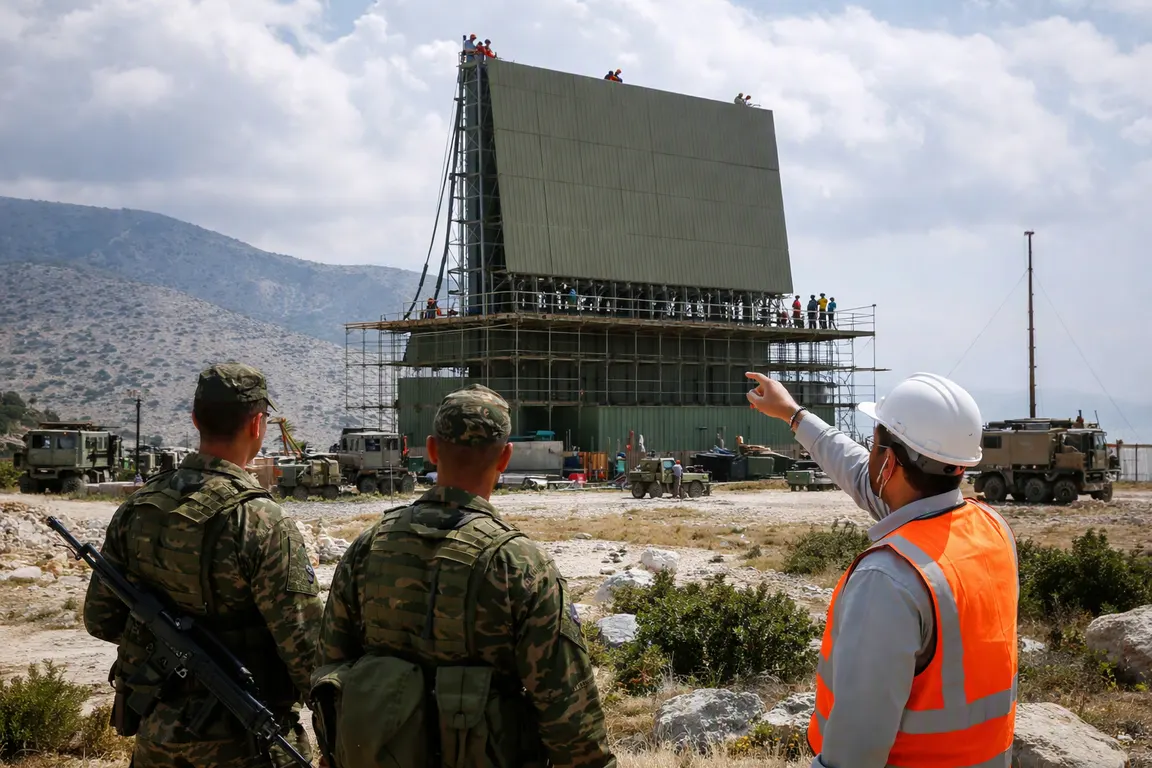
Athens will erect a large radar antenna on Crete’s plateau within weeks, the first concrete step in the Achilles Shield radar Crete deployment and the broader $3.5 billion defense program signed with Israel in August 2024. The deal promises a network of long‑range radars, medium‑range surface‑to‑air missiles and an integrated command‑and‑control system, slated for full operational capability by 2029.
The installation arrives as regional tensions rise. Turkey’s procurement of S‑400‑type systems and ongoing Aegean disputes have spurred Athens to seek a layered air‑defence architecture it has never fielded. The broader fallout from the 2024 US‑Israel‑Iran confrontation has also prompted Eastern Mediterranean states to reassess security risks that could spill into Greek airspace.
Achilles Shield is built around three core capabilities. First, long‑range surveillance radars will scan the Aegean and eastern Mediterranean, providing early warning of aircraft or missile threats. Second, medium‑range surface‑to‑air missiles, capable of engaging targets dozens of kilometres away, will complement Greece’s existing short‑range arsenal. Third, a new command‑and‑control network will fuse radar and missile data, enabling rapid decision‑making and coordinated responses across the Greek armed forces. While the exact missile models remain undisclosed, analysts say the mix is intended to create overlapping coverage that complicates any adversary’s attack plan.
The $3.5 billion price tag will be absorbed by Greece’s defence budget, a commitment that could constrain spending elsewhere. The agreement does include technology transfer and joint production with Israeli firms, a factor that domestic defence contractors cite as a source of jobs and expertise growth. Details of parliamentary approval or the funding breakdown have not been released, leaving some uncertainty about how the cost will be spread over the next five years.
Strategically, the radar network will reshape the balance of power in the Eastern Mediterranean. Turkey is likely to view the system as a counterweight to its own air‑defence upgrades, potentially fueling a regional arms race. NATO allies, especially the United States and Cyprus, will monitor the rollout to gauge whether the enhanced Greek capability alters the alliance’s force posture in the area. Some observers argue that a stronger Greek shield could allow NATO to rely more on regional partners for air‑space security; others warn it may raise the stakes of any future Athens‑Ankara confrontation.
The radar on Crete marks the program’s first visible milestone. The next step will be the delivery of the first missile batch, scheduled for 2025. Until the full network becomes operational in 2029, questions remain about the specific hardware, the timeline for local integration work and the long‑term fiscal impact on Greece’s budget. The rollout will test whether Achilles Shield delivers the promised security boost without igniting a new cycle of escalation in an already volatile part of the world.