

German Court Tries Ukrainian Officer Over Nord Stream
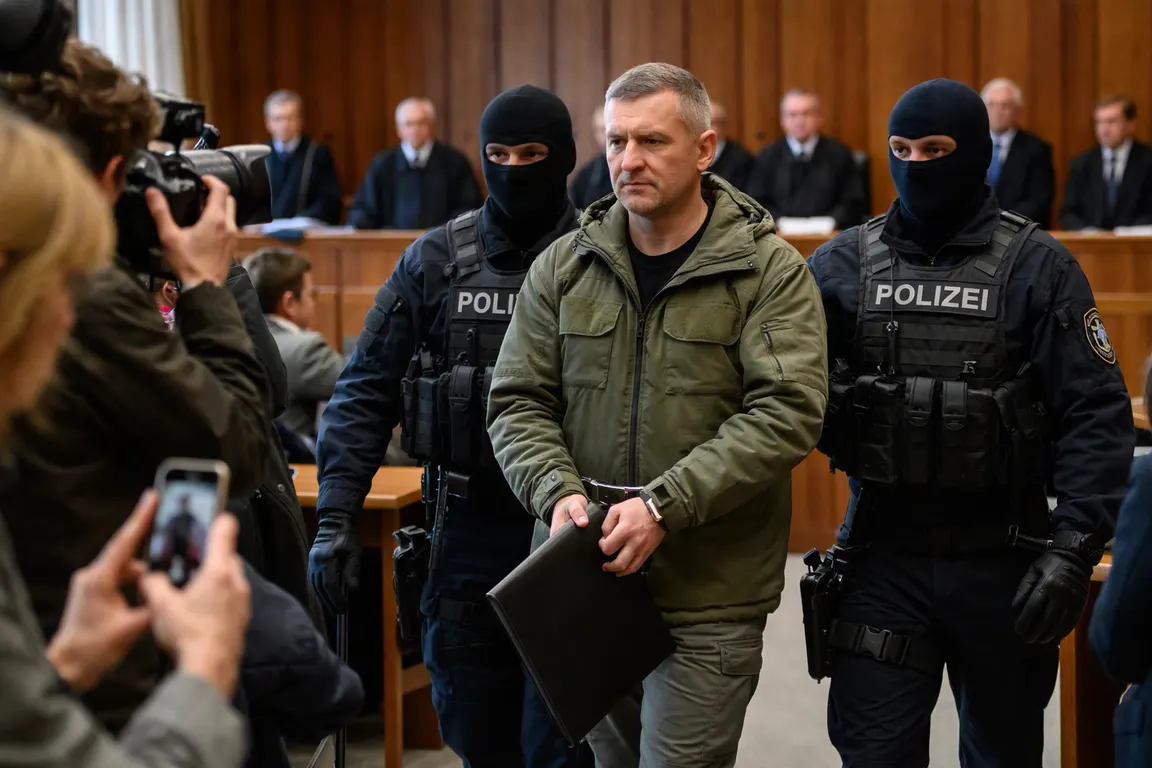
A Hamburg court opened proceedings on Oct. 14 against former Ukrainian officer Serhii Kuznetsov, charging him in a Nord Stream sabotage trial for coordinating the Sept. 2022 explosions on behalf of Ukrainian state authorities. The case arrives as Washington proposes moving part of the €260 billion in frozen Russian sovereign assets into a U.S.-controlled special‑purpose vehicle, and Bulgaria’s prime minister publicly backs a U.S.–Russia diesel swap at an EU summit.
German prosecutors say they have identified seven Ukrainian suspects linked to the Nord Stream attacks, but only Kuznetsov is in custody; the others remain in Italy, Croatia and Poland. The indictment alleges Kuznetsov directed divers who placed explosives on the pipelines, acting “on behalf of state authorities.” Kyiv has denied any official involvement, and no direct evidence of high‑level orders has been released.
The trial is being watched by German voters who are already debating the country’s military aid package under Chancellor‑designate Friedrich Merz, who visited Kyiv on Oct. 4 with a new assistance plan. A verdict later this year could influence public sentiment ahead of the federal election and shape the scale of future aid to Kyiv.
In Miami on Oct. 10, U.S. envoys Steve Witkoff and Jared Kushner presented a proposal to transfer a portion of the frozen Russian assets into a special‑purpose vehicle overseen by Washington. Proponents argue the move would unlock liquidity for Ukraine and revive stalled peace talks. EU officials warn it could undermine the legal framework that keeps the assets frozen in Europe. European Commission President Ursula von der Leyen has pledged €1.62 billion of interest earnings from the frozen pool to Kyiv, emphasizing that the assets must “pay for the destruction.”
At an EU summit in Brussels on Oct. 15, Bulgaria’s prime minister Rumen Radev endorsed a diesel deal that would see U.S.-supplied diesel routed through Russia in exchange for Russian oil. Critics say the arrangement benefits Moscow without clear reciprocal concessions and puts Bulgaria at odds with the EU’s stance that the swap could bolster Putin’s revenue streams.
The three developments raise immediate questions. First, the evidentiary basis of the German case remains limited to prosecutors’ allegations; the lack of publicly disclosed proof leaves the trial’s political impact uncertain. Second, shifting frozen assets to a U.S. vehicle could divert funds from the EU‑managed interest pool, potentially reducing financial support for Ukraine and complicating sanctions enforcement. Third, if Bulgaria’s diesel‑deal endorsement gains traction, the EU could see a partial reopening of Russian energy channels, which may lower fuel prices but also erode collective pressure on Moscow.
The next steps hinge on court testimony, diplomatic negotiations in Brussels, and a possible U.S. briefing to European leaders on the asset‑unfreeze framework. All three issues will be debated in upcoming EU foreign‑policy meetings as member states try to reconcile divergent national interests with a unified sanctions strategy.