

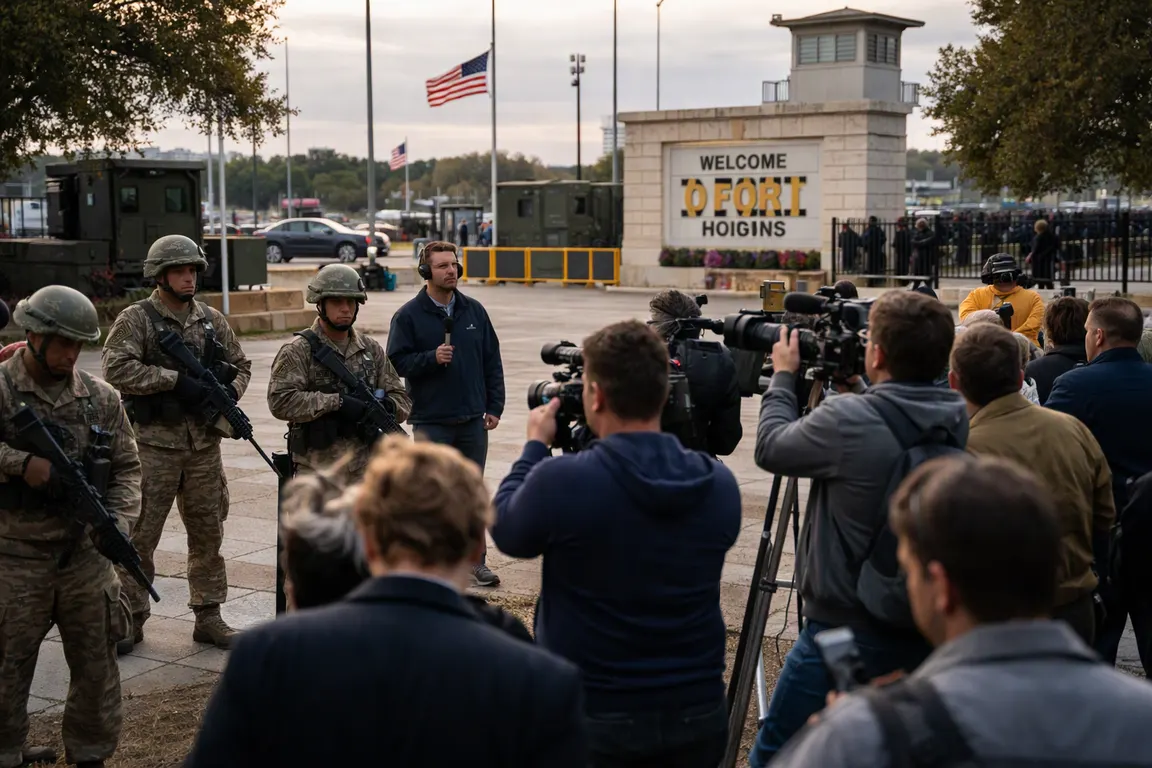
Defense Secretary Pete Hegseth told NBC's TODAY show that the Pentagon is considering a live broadcast of the Fort Hood execution. The proposal would make the firing‑squad execution of Major Hasan, convicted for the 2009 Fort Hood mass shooting, the first U.S. military death‑penalty to be streamed publicly.
The plan raises immediate legal questions. Federal statutes, including the Federal Death Penalty Act, do not address whether a military execution can be broadcast, and no court has ruled on the constitutionality of a livestreamed execution. Critics argue that such a broadcast could violate the Eighth Amendment’s ban on cruel and unusual punishment and the First Amendment’s limits on government‑sponsored speech.
Rights groups also warn that a live feed could be accessed by minors, for whom federal law generally bars viewing of executions in the few states that still allow them. There is no established mechanism to filter a real‑time internet stream, and any failure to block under‑age viewers could trigger lawsuits against the government and any platform that carries the video.
Internationally, the United States would stand apart from the few nations that still conduct public executions, such as Iran and Afghanistan, according to Amnesty International. Human‑rights organizations have already condemned the proposal, citing a United Nations statement that a livestream would amount to a violation of international law.
Legal experts note that the Department of Defense’s authority to order a broadcast is unclear. Robin M. Maher, executive director of the Death Penalty Information Center, said no regulation currently permits a military execution to be shown publicly. Scholars point out that existing statutes are silent on the issue, leaving the matter to judicial interpretation.
The announcement has sparked a mixed response from families of the Fort Hood victims. Some see the execution as a form of closure, while others fear that a public broadcast could reopen wounds. Major Hasan’s relatives have not commented on the plan.
Civil‑rights groups are expected to file injunctions, arguing that the livestream would breach constitutional protections and expose minors to prohibited content. At the same time, technology platforms that might be asked to host the feed are weighing reputational risk against potential government orders.
As the execution date approaches, the most immediate hurdle appears to be judicial review. The outcome will determine whether the United States sets a new precedent for capital punishment or retreats under legal pressure, with implications for domestic policy, international human‑rights assessments, and the responsibilities of media companies in the digital age.