

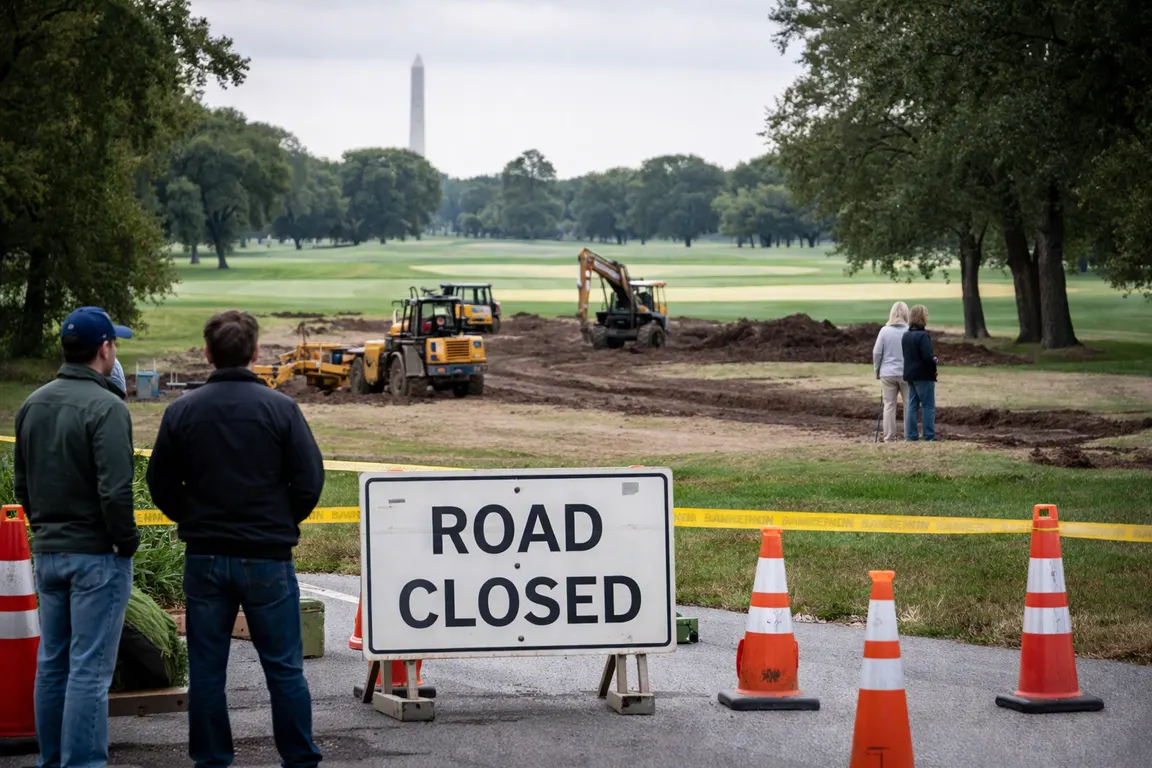
A Washington federal judge on Sunday ordered the government to stop any work on the East Potomac golf renovation until it provides written notice of its plans. The ruling follows President Donald Trump's announcement on Truth Social that a 15‑month overhaul would begin on Nov. 15.
Judge Ana M. Reyes of the U.S. District Court for the District of Columbia issued the original injunction in early 2024, requiring court approval before any substantive construction could begin. In late March she added a specific prohibition on removing mature trees, calling the action "inexcusable," and later required a three‑day notice for any "irreparable modification" to the landscape. The latest order gives the government until 8 p.m. Eastern time Sunday to tell the court whether its position has changed from a prior filing.
The administration’s plan, described by the president as an effort to make the course "spectacular," would likely close the facility for the duration of the renovation. Environmental and historic‑preservation groups warn that tree removal and changes to the historic layout could damage the riverfront ecosystem and alter a site listed as a historic public amenity. The judge’s orders reflect those concerns, emphasizing procedural safeguards before work that could affect the course’s character proceeds.
Federal agencies have not released detailed plans or cost estimates, leaving the scope of the project unclear. NBC News reported that the notice requirement is intended to give the court and interested parties a chance to review the proposed changes for compliance with the National Historic Preservation Act and the National Environmental Policy Act. The Guardian noted that failure to provide the required notice could trigger contempt sanctions and delay funding.
If the government proceeds without meeting the three‑day notice rule, it could face an injunction that would stop work and potential monetary penalties. Such a breach would also set a precedent for how federal projects on public land are reviewed, potentially tightening oversight for future renovations of historic sites nationwide.
Local golfers, who have used the East Potomac course for decades, could lose access for more than a year. The loss of a free, city‑run facility underscores broader concerns about public stewardship of federal lands when political priorities intersect with judicial oversight.
The court’s deadline is imminent. The government must file a response by 8 p.m. ET Sunday indicating whether it will adjust its position or proceed under the existing orders. A subsequent hearing, if required, will determine whether the renovation can move forward or remain stalled, leaving the future of the historic course—and the balance between federal authority and legal safeguards—unresolved.