

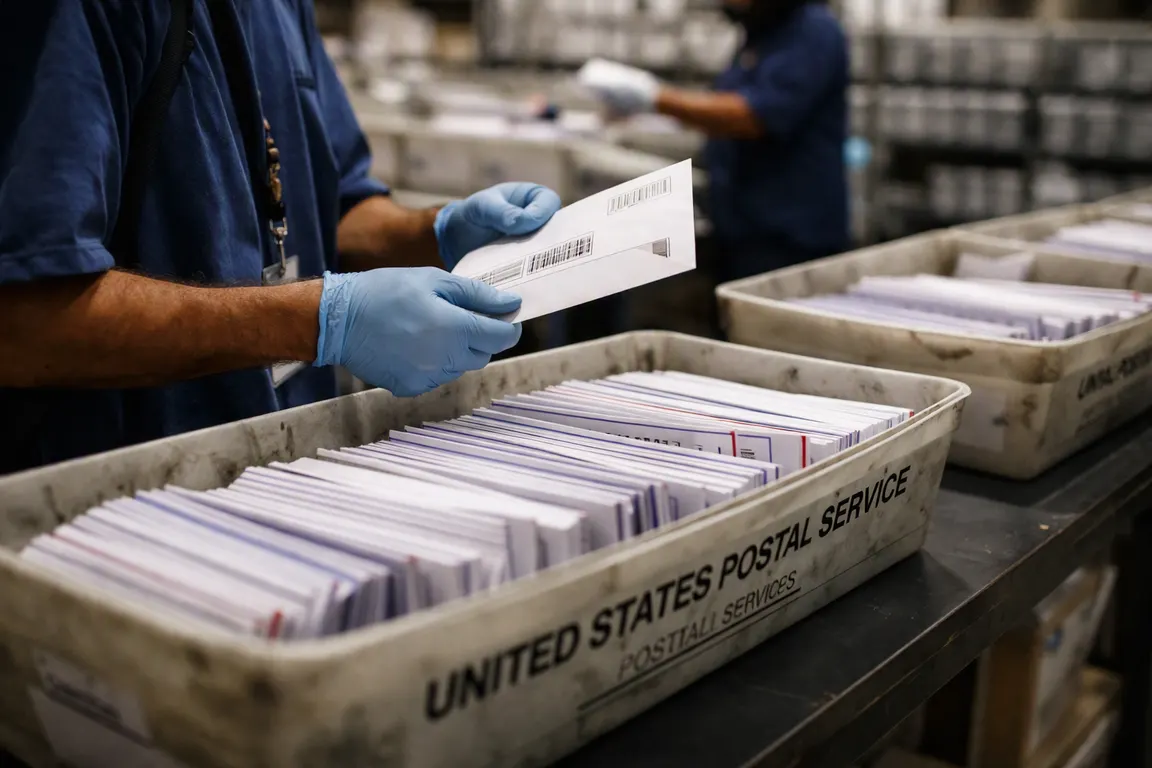
U.S. District Judge Indira Talwani on Friday issued a strengthened preliminary injunction that keeps the Trump administration’s new postal service and ballot‑handling rules from taking effect. The order preserves the existing mail‑in voting procedures while the administration pursues an appeal and the Supreme Court considers a related case.
The injunction, first issued as a temporary restraining order in late August, now covers the full set of restrictions announced in early August. Those rules would have limited how long the United States Postal Service could hold ballots before processing, imposed tighter deadlines on local election officials and reduced the number of drop‑off locations for completed absentee ballots. The court said the executive order likely exceeds the President’s authority over the Postal Service and may conflict with the Voting Rights Act, prompting the extended block.
The timing is critical. With less than six weeks before the 2024 midterm elections, North Carolina began mailing absentee ballots the same day the injunction was issued. Voters in swing states such as Pennsylvania and Arizona can continue to rely on the current system, avoiding the costly adjustments the new rules would have required.
The administration appealed the original order and asked the Supreme Court to review a related injunction. The Court has agreed to hear the case, though a hearing date has not been set. The appeal remains pending, and the injunction will stay in place until a higher court issues a further ruling, which legal analysts expect could come within weeks.
Election officials have warned that the restrictions could disenfranchise thousands of eligible voters, especially in jurisdictions that depend heavily on mail‑in voting. The administration argues the rules are needed to ensure timely delivery of ballots and to protect the Postal Service’s capacity during a peak mailing period. The court’s decision underscores the tension between administrative efficiency and statutory protections for voters.
For voters, the injunction means the familiar process—receiving a ballot by mail, completing it at home, and returning it through the postal system or an approved drop box—remains unchanged. Campaigns and advocacy groups are now focusing on voter education, emphasizing deadlines and proper ballot handling rather than legal challenges.
The Supreme Court’s review could reshape the legal landscape for the remainder of the 2024 election cycle. If the higher court lifts the injunction, states would have to adopt the new USPS timelines and drop‑box limits quickly, potentially straining local election infrastructure. Conversely, a decision to uphold the block would cement the status quo and limit the administration’s ability to impose additional mailing constraints.
The next procedural step is appellate briefing on the injunction, followed by the Supreme Court’s briefing schedule. Until a final ruling is issued, the existing mail‑in voting framework will remain in place, leaving voters, election officials and the Postal Service to operate under the rules that have guided recent elections.