

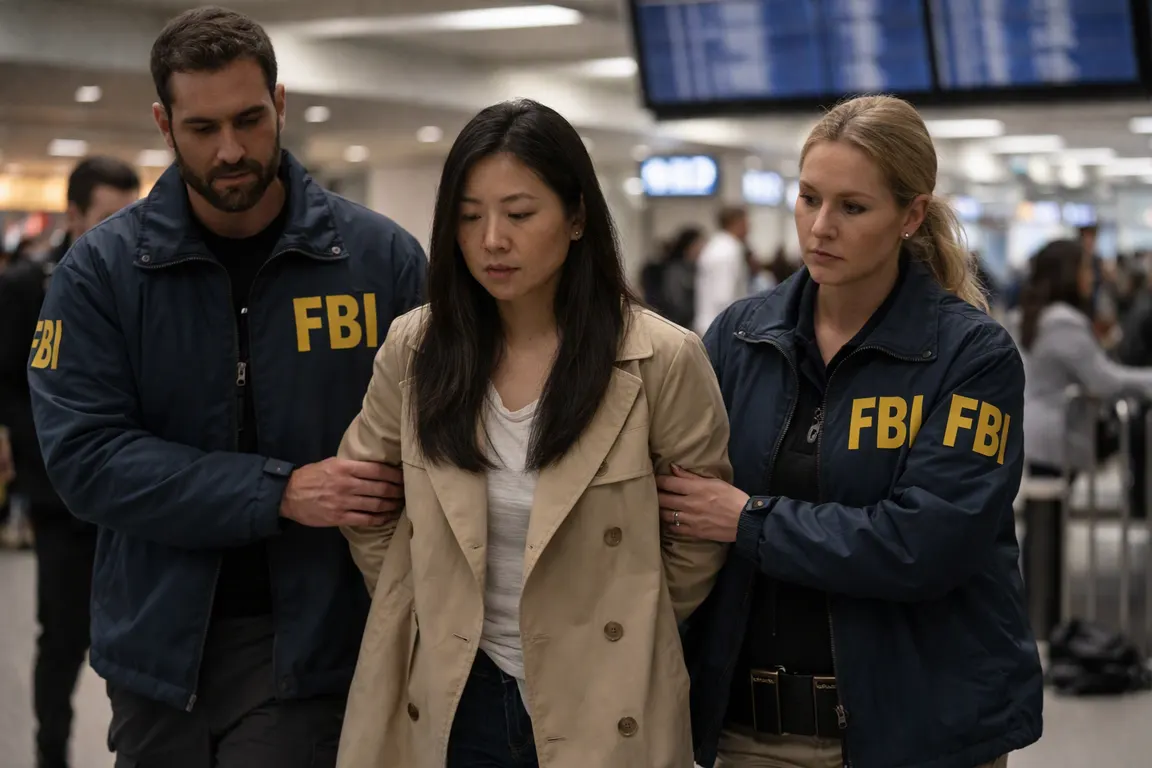
The FBI detained 34‑year‑old Wanying Zhang, also known as Heather, at Los Angeles International Airport on Sunday, Oct. 5, just before she was set to board a flight to Shanghai. Zhang, an Irvine resident, was charged with acting as an unregistered Chinese agent for the People’s Republic of China.
According to an FBI statement, the indictment alleges Zhang collected photographs and video of President Lai Ching‑te’s son and his family and transmitted the material to contacts identified as Chinese government operatives. Investigators say she used personal connections and social‑media channels to obtain the images and then sent the files through encrypted messaging apps to handlers in Beijing.
The charge is based on a violation of the Foreign Agents Registration Act (FARA), which requires individuals acting on behalf of a foreign government to register with the Department of Justice. A FARA violation carries a maximum sentence of five years in prison and a fine, and it can be pursued alongside other national‑security charges if additional wrongdoing is uncovered.
Zhang is expected to appear before a federal magistrate within 48 hours for a bail hearing. If convicted, she faces up to five years behind bars for the FARA count, with the possibility of further penalties should prosecutors add espionage or unlawful conveyance of national‑security information charges.
The arrest comes as U.S. counter‑intelligence agencies intensify scrutiny of Chinese espionage activities targeting Taiwanese officials, academic institutions and technology firms. By intercepting Zhang at a major travel hub, the FBI demonstrated an ability to disrupt alleged intelligence‑gathering operations before they leave U.S. soil, a tactic that could influence future enforcement of foreign‑agent registration and monitoring of travelers suspected of covert contacts.
Legal experts note that the unregistered‑foreign‑agent charge differs from traditional espionage accusations, which focus on theft of classified material. Here, the emphasis is on the failure to disclose a foreign relationship, a violation that can be proved without access to classified information.
Policymakers may cite the case in debates over stricter FARA enforcement and broader measures to counter foreign influence operations. The incident also raises questions about the vulnerability of personal data held by public figures and the extent of Chinese outreach to members of Taiwan’s presidential family.
The FBI’s use of a travel checkpoint to interdict Zhang suggests a shift toward pre‑emptive interdiction of suspected foreign agents. While authorities argue the approach protects sensitive information, civil‑liberties advocates warn that expanding such tactics could impinge on lawful travel and privacy rights.
The next steps include a court hearing to set pre‑trial conditions and, potentially, a broader review of how law‑enforcement and intelligence agencies coordinate to counter foreign influence operations targeting Taiwan‑related subjects.