

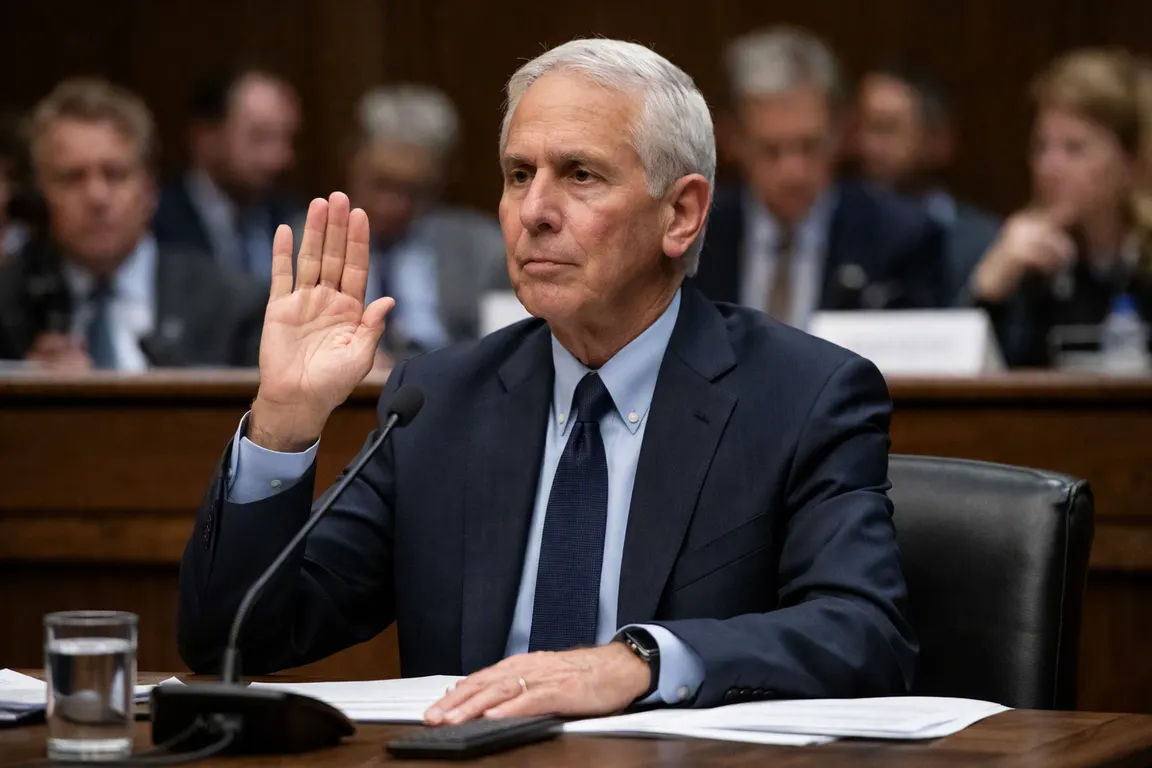
A Senate hearing on Dr. Anthony Fauci's role during the pandemic has sparked controversy after he pleaded the Fifth 111 times. The hearing, which aimed to examine Fauci's actions and decisions, has significant implications for public trust in government agencies and the handling of sensitive information.
The hearing's outcome and the implications of Fauci's decision to plead the Fifth remain to be seen, with many questions still unanswered. Fauci's decision has been criticized by some as 'cowardly' and 'shameful', while others see it as a necessary step to protect himself from potential prosecution. Sources note that Fauci has a pre-emptive presidential pardon, which has been viewed by some as a factor in his decision to plead the Fifth.
The exact topics and questions Fauci was asked during the hearing are not specified, but the sequence of events suggests that his decision to plead the Fifth occurred during a Senate hearing related to his role and actions during the pandemic. As the nation grapples with the aftermath of the pandemic, the hearing has put the spotlight on Fauci's actions and decisions, raising fundamental questions about accountability and transparency.
The Senate will likely continue to investigate Fauci's actions and decisions, and the public will be watching closely to see how the situation unfolds and what it means for the future of pandemic response and policy decisions. The controversy surrounding Fauci's decision to plead the Fifth may affect public perception of government agencies and the handling of sensitive information, potentially impacting trust in institutions and policy decisions.
Sources disagree on the interpretation of Fauci's decision to plead the Fifth, with some viewing it as a legitimate response to a perceived 'witch hunt' and others as a sign of guilt or evasion. The hearing's outcome and the implications of Fauci's decision to plead the Fifth will be closely watched, as the nation seeks to understand the handling of sensitive information and the actions of government agencies during the pandemic.