

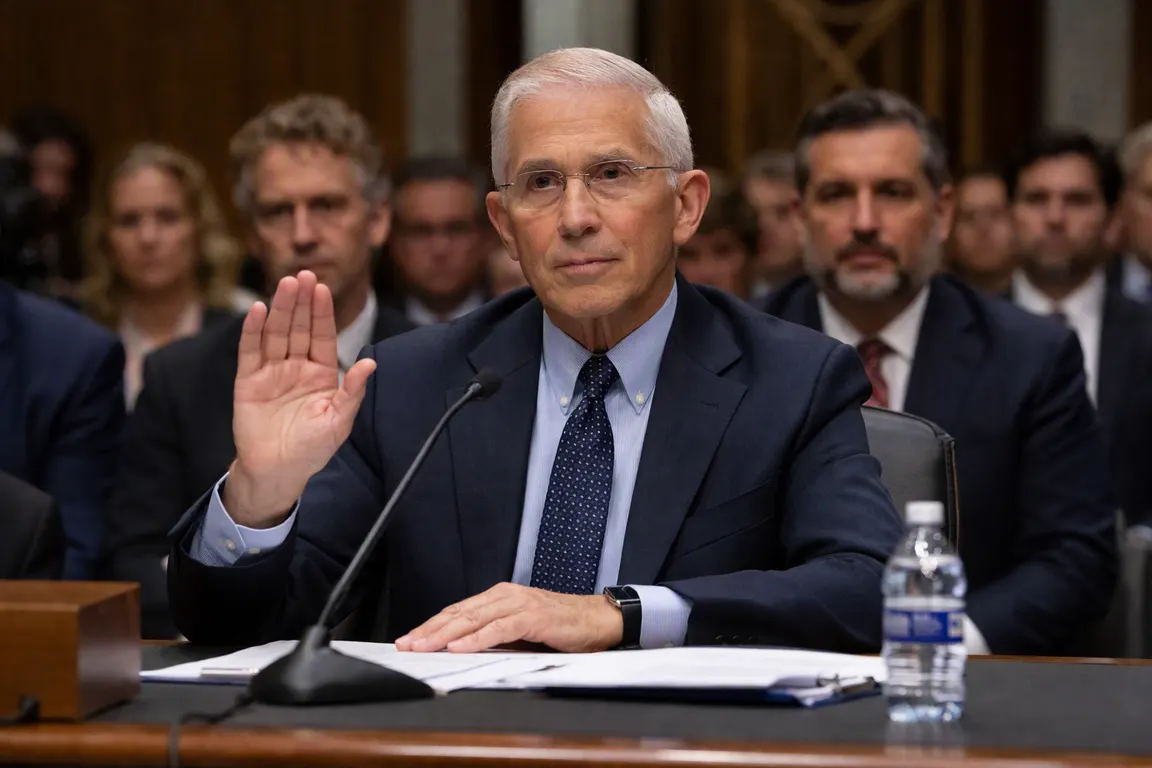
A Senate hearing on COVID-19 origins sparked debate on transparency and partisan motivations after Anthony Fauci invoked the Fifth Amendment over 100 times. The hearing, held by the Senate committee on homeland security, aimed to investigate the pandemic's origins and the role of public health officials. However, it was criticized by some as not being a legitimate example of bipartisan inquiry.
Fauci cited concerns about potential perjury prosecution as a reason for invoking the Fifth Amendment. Senator Rand Paul was accused by Fauci of having an 'obvious obsession' with him. The Democratic ranking member on the homeland security committee, Gary Peters, also criticized the hearing, stating it was not a legitimate example of bipartisan inquiry.
The COVID-19 pandemic has had a significant impact on public health and the economy. As a prominent figure in the US response to the pandemic, Fauci's actions have drawn scrutiny. Different sources have varying characterizations of the hearing, with some emphasizing Fauci's invocation of the Fifth Amendment and others focusing on the partisan motivations behind the hearing.
The general public, who may be affected by the ongoing pandemic and any future public health crises, is a key stakeholder in the controversy. Public health officials, who may face increased scrutiny and criticism in the wake of the hearing, are also impacted. The economy, which has been impacted by the pandemic and may be affected by future public health policy decisions, is another area of concern.
The controversy surrounding the hearing continues, with implications for future public health policy and oversight. Questions remain about the extent to which the hearing was driven by a desire to investigate the origins of COVID-19 versus a desire to target Fauci personally. The hearing's impact on the public's perception of public health officials and the pandemic response is also uncertain.
As the COVID-19 pandemic continues to shape public health policy and oversight, the controversy surrounding the Senate hearing will likely continue to unfold, with potential consequences for the public, public health officials, and the economy. The hearing highlights the ongoing need for transparency and bipartisan cooperation in addressing public health crises.