

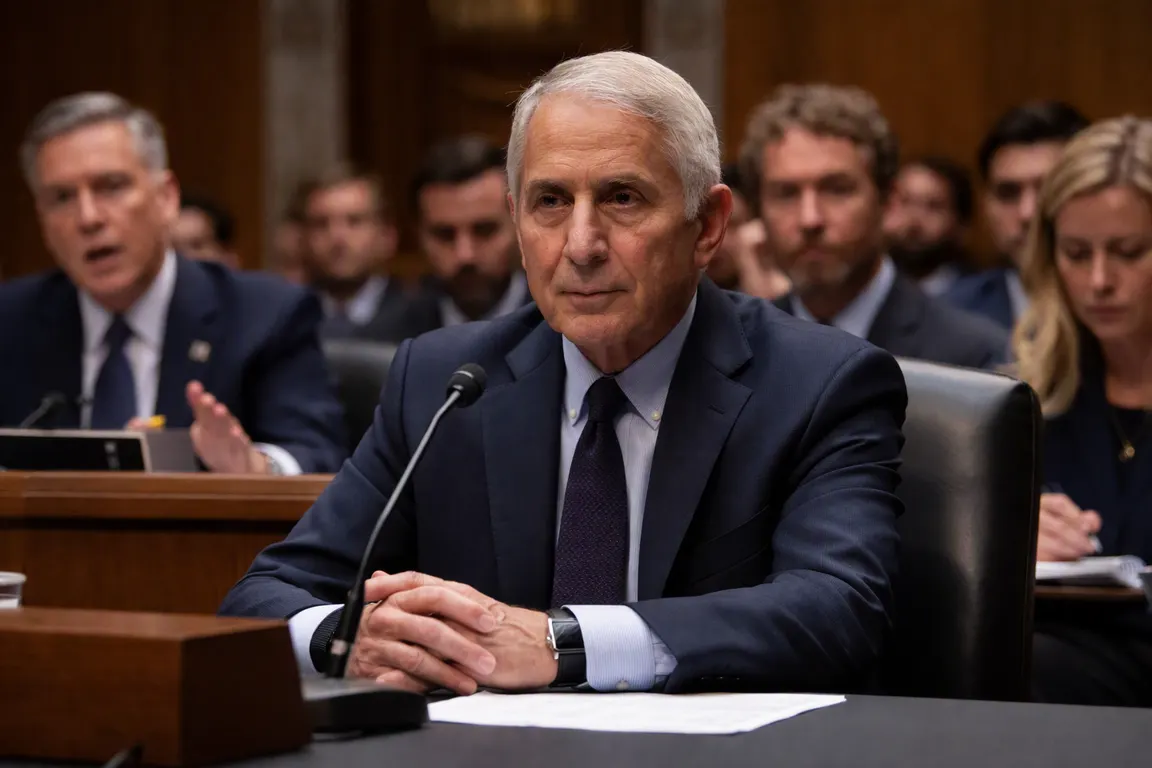
The US Senate Homeland Security and Governmental Affairs Committee voted to hold Anthony Fauci in contempt of Congress, citing his refusal to answer questions about the COVID-19 pandemic. This contempt vote is a significant development in the ongoing investigation into the pandemic's origins and the government's response.
The committee's decision seeks to refer the case directly to the Department of Justice for prosecution. Fauci had invoked the Fifth Amendment over 100 times during his testimony, refusing to answer questions about his actions during the pandemic. Senator Rand Paul led the effort to hold Fauci in contempt, citing the need for accountability and transparency in the government's handling of the pandemic.
The investigation is focused on the pandemic's origins and the government's response, including funding for research and lockdown policies. The committee recently obtained a copy of Fauci's cell phone, which may contain records related to his actions during the pandemic. Fauci's lawyer condemned the vote, while the committee's top Democrat, Senator Gary Peters, called the investigation 'one-sided'.
The contempt vote may affect the public's perception of the government's handling of the pandemic and the accountability of public health officials. The potential consequences of the contempt vote, including prosecution, may also impact Fauci's personal and professional life. The investigation may influence future public health policy and decision-making, particularly with regards to pandemic response and preparedness.
The Senate committee's vote comes after weeks of tension between Republican and Democratic committee members over the investigation. The committee's actions have been marked by disagreement and uncertainty, with some members questioning the motives behind the investigation. As the case moves to the Department of Justice, the potential consequences of the contempt vote remain unclear. The next step will be for the Department of Justice to review the referral and determine whether to pursue prosecution.
The investigation has significant implications for public health policy and accountability. The government's response to the pandemic has been the subject of intense scrutiny, with many questioning the effectiveness of lockdown policies and the allocation of funding for research. The contempt vote and potential prosecution of Fauci may lead to increased transparency and accountability in the government's handling of public health crises. The outcome of the investigation and any subsequent prosecution will be closely watched, as it may set a precedent for future investigations into government handling of public health emergencies.