

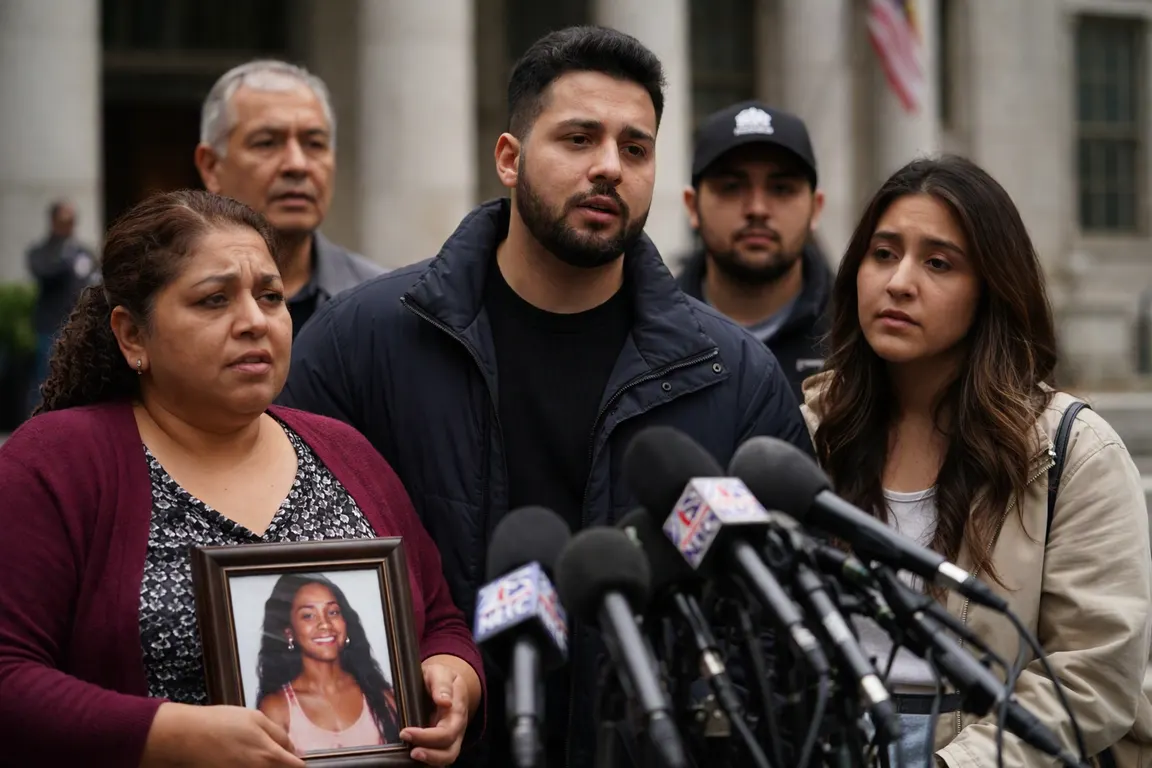
Two federal lawsuits filed on Sept. 14 allege that senior Trump‑era officials helped create the conditions that led to the ICE shooting lawsuit over the fatal raid on Renee Good in Minneapolis on Jan. 7, 2023. The suits seek damages for wrongful death, emotional distress and civil‑rights violations, and could force the Justice Department to defend its immigration‑enforcement policies in court.
Good, 37, was driving a red SUV with her three children when ICE officer Jonathan Ross opened fire, killing her instantly. Her partner, Becca Good, and her brother, Brent Ganger, filed separate complaints. Becca Good’s suit targets the United States government for wrongful death and emotional distress and requests a bench trial. Brent Ganger’s complaint alleges a civil‑rights conspiracy, names former White House adviser Stephen Miller, South Dakota Gov. Kristi Noem, former DHS official Gregory Bovino and former Trump campaign aide Corey Lewandowski, and seeks a jury trial.
The filings come as ICE’s “Operation Pulse” raids, intensified during the Trump administration, face renewed scrutiny. At least ten deaths have been linked to those operations. Good’s shooting sparked protests in Minneapolis and national media coverage, but the Justice Department declined comment on the new lawsuits.
According to the complaints, the shooting was not an isolated incident but the result of a racially targeted operation directed from the White House and the Department of Homeland Security. The plaintiffs cite internal communications, policy memos and public statements that, in their view, encouraged rapid removal over due process and created an environment where excessive force was tolerated.
Ross maintains he acted in self‑defense, a claim never adjudicated in criminal court. The civil suits do not seek to punish Ross personally; they focus on the institutional framework that plaintiffs say enabled his actions. By naming senior officials, the plaintiffs aim to expose what they call a “civil‑rights conspiracy” that extends beyond the individual officer.
Legal experts note that suing high‑ranking officials for policy decisions is difficult. Sovereign‑immunity doctrines often shield federal officials from civil liability, and plaintiffs must show the officials acted “ultra‑vires,” outside the scope of their authority. The bench‑trial request in the wrongful‑death suit may be a strategy to avoid a politically charged jury, while the jury‑trial request in the civil‑rights case suggests the plaintiffs expect factual disputes over the alleged conspiracy.
If a court finds senior officials liable, ICE could be forced to revise training, oversight and reporting protocols for raids, affecting thousands of immigration officers and potentially reshaping the risk calculus for future enforcement actions.
For Good’s surviving family—her partner, brother, mother Donna Ganger and her three young children—the lawsuits represent a bid for accountability and a public record of the circumstances surrounding her death. Donna Ganger, who described her daughter as a poet and writer, said the legal action is “the only way we can keep her memory alive and demand answers.”
The next steps include filing motions and a scheduling order in the coming weeks. The Justice Department will decide whether to move to dismiss the claims or defend them in court, a decision that will shape the trajectory of the cases and could prompt a broader examination of ICE’s raid policies and the role of senior officials in shaping those policies.