

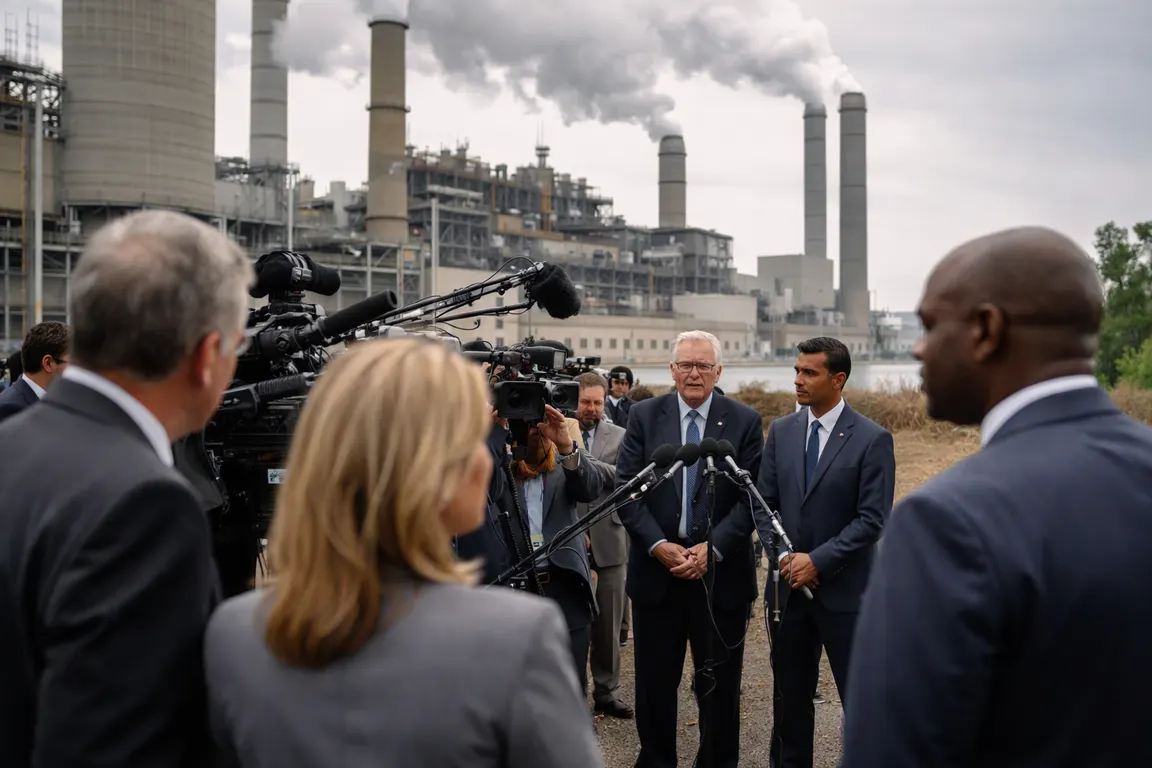
WASHINGTON — The EPA power plant carbon repeal is slated for a vote as early as Monday, on the sidelines of the G20 energy ministers’ meeting in Houston. The agency plans to overturn the nation’s only federal cap on carbon emissions from coal and natural‑gas power plants, a rule issued in 2015 under the Obama administration.
The 2015 rule required states to submit plans that would lower power‑plant emissions to a declining national target. It did not set fixed limits for individual units but created a market‑based ceiling that guided investment in efficiency upgrades, fuel switching and renewable‑energy credits.
In a statement announcing the repeal, the EPA called the standard “unnecessary regulation” and said the change would block future presidents from reinstating a comparable cap. Environmental groups called the move a “gift to polluters,” noting that it removes the federal backstop that has long constrained emissions from new and existing plants.
If the repeal takes effect, the federal ceiling will disappear, leaving emissions limits to state policies or market forces. Communities near coal and gas facilities could see higher levels of particulate matter, nitrogen oxides and sulfur dioxide—pollutants linked to respiratory and cardiovascular disease. Utilities argue that falling natural‑gas prices and cheaper renewables will continue to drive a transition away from high‑carbon generation.
The timing is deliberate. Bloomberg, citing sources familiar with EPA plans, reported that officials intend to act while the world’s energy leaders are gathered in Houston, giving the decision international visibility. The agency must still publish a final rule in the Federal Register; the repeal would become effective 30 days after that filing, unless a court blocks it.
Legal challenges are expected. Several environmental groups have said the agency exceeded its authority and that the provision permanently barring future caps violates the Administrative Procedure Act. Court rulings could determine whether states or localities are forced to create their own limits.
The repeal follows a broader rollback of climate rules that began in 2017, when the Trump administration argued that such regulations imposed undue costs on the energy sector. The new language, however, seeks to make the change permanent, a point that could limit future administrations’ ability to reinstate a federal cap even if domestic or international pressure builds for stricter climate action.
Stakeholders are divided. Investor groups focused on climate risk say the policy shift could prompt a reassessment of exposure to fossil‑fuel assets, while utility shareholders anticipate lower compliance costs. State regulators may feel pressure to impose their own standards to protect air quality and public health.
The EPA’s decision will shape the United States’ trajectory on power‑plant emissions at a critical moment for global climate negotiations. Whether the repeal spurs a wave of state‑level action or paves the way for a resurgence of high‑emitting plants will become clearer as courts weigh the agency’s authority and as the G20 discussions on clean energy conclude.