

Energy cease‑fire claim disputed amid Ukraine blackouts
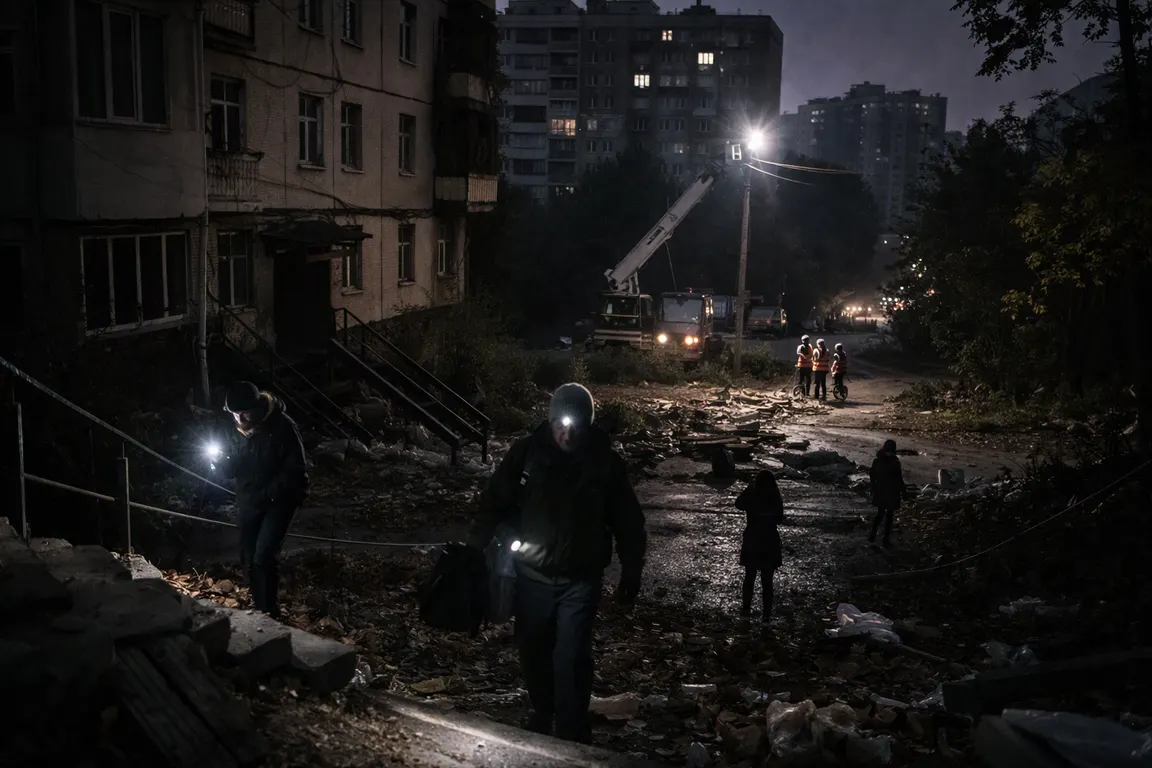
President Donald Trump posted on Truth Social on Oct. 11 that an “energy cease‑fire” between Russia and Ukraine was now in effect, saying both sides had agreed to stop attacks on power, gas and oil facilities. Within minutes, Ukrainian President Volodymyr Zelenskyy told Axios the announcement was "news to me" and asked for details on when the cease‑fire would begin. No Russian officials have confirmed the claim.
The statement contrasts sharply with the reality on the ground. Ukrainian civilians are already coping with rolling blackouts, and Russian drones continue to strike energy sites. A Shahed drone hit a Kyiv power plant on the same day Trump made his post, and another strike damaged a facility in Kharkiv. Ukraine’s energy ministry logged more than 200 attacks on electricity infrastructure in the week before the announcement.
Trump’s claim follows a similar “energy cease‑fire” he announced in mid‑September, which collapsed within days. The latest declaration comes as the Trump administration reportedly threatens to suspend the Prioritised Ukraine Requirements List (PURL)—the fast‑track mechanism for U.S. weapons to Kyiv—and to curb intelligence sharing. Financial Times reporting, cited by Christopher Miller on X, says the pressure is intended to force Ukraine to stop targeting Russian oil refineries. At the same time, the administration is defending a U.S.-backed easing of diesel sanctions, a move Zelensky called a “birthday gift” to Vladimir Putin and that prompted Trump to call for a new Ukrainian leader in early October.
For residents of Kyiv and Kharkiv, the impact is immediate. City‑wide blackouts have forced schools and hospitals onto generators, and reduced heating threatens vulnerable populations as winter approaches. Damage to transmission lines also hampers industrial output, deepening energy shortages across eastern Ukraine. The continued Russian strikes suggest that, regardless of diplomatic statements, the fight over energy infrastructure remains active.
Moscow has remained silent on the Oct. 11 claim, and its ongoing drone attacks indicate no de‑facto halt to targeting. Analysts note that without a mutually verified mechanism, an energy cease‑fire cannot be enforced; a unilateral declaration serves more as a political signal than an operational reality.
If Washington follows through on the PURL threat, Ukraine could face delays in receiving advanced weapons, complicating its ability to defend against Russian offensives. The leverage may also push Kyiv to temper strikes on Russian energy assets, aligning with Trump’s narrative but potentially constraining Ukraine’s broader strategy.
Global markets are watching the broader implications. The easing of diesel sanctions championed by the administration is expected to increase the flow of refined fuel to Russia, potentially financing its war effort. Simultaneously, disruptions to Ukrainian power generation could affect regional electricity prices and supply chains.
No formal negotiations have been reported beyond Trump’s social‑media post, and the lack of Russian acknowledgment leaves the cease‑fire’s legitimacy in doubt. Back‑channel talks among U.S., European and Ukrainian officials are likely to continue, but until any agreement is verified, civilians in Ukraine will continue to bear the brunt of the energy war.