

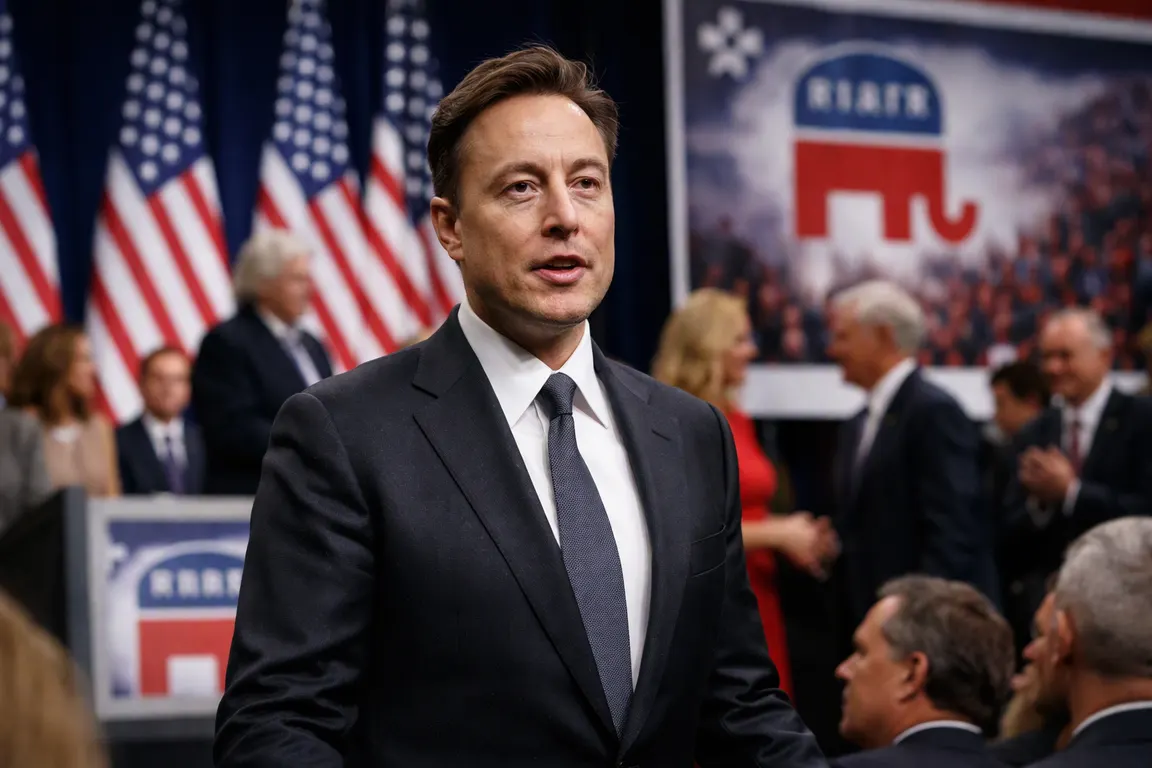
Elon Musk Republican funding of between $276 million and $366 million is earmarked for Republican‑aligned political organizations as the 2026 midterm elections approach, making him the largest single donor in a federal election cycle.
The money, disclosed in early 2026, is slated for party‑wide committees, super‑PACs and issue‑focused groups rather than individual candidates. By bolstering the GOP’s national infrastructure, the contribution could expand advertising reach, digital outreach and ground‑level organizing in swing districts.
Two news outlets report different totals: the New York Post and International Top News cite $276 million, while Al Jazeera reports $366 million. Neither source provides a detailed breakdown of recipients, leaving analysts unable to verify which Republican National Committee entities, super‑PACs or advocacy groups received the funds.
The timing coincides with the traditional surge in political spending that precedes the November election. Republican strategists are likely to fold Musk’s capital into broader messaging aimed at countering Democratic positions on energy policy, technology regulation and federal procurement. The infusion arrives as the party grapples with waning enthusiasm for former President Donald Trump, a trend reflected in recent polls that show modest erosion of his base.
Musk’s public comments suggest a repaired relationship with Trump, but his donations are directed at the party’s infrastructure, not the former president’s personal political ventures. Historically, private contributions of this size are rare. The 2020 election cycle saw roughly $300 million from a handful of billionaire donors, split among several individuals. Even the lower estimate of Musk’s outlay exceeds that total, positioning him as a pivotal financial actor in the 2026 race.
Campaign‑finance experts warn that such concentrated spending can tilt the political playing field, granting disproportionate influence to donors whose business interests may benefit from favorable policy outcomes. Voters could encounter Musk‑funded messaging on electric‑vehicle incentives, space‑flight regulations and other issues that intersect with his companies, Tesla and SpaceX.
Regulators and watchdog groups have not yet received detailed filings that would clarify the exact pathways of the money. The Federal Election Commission is processing the disclosures, and observers will watch for any signs of coordinated spending that could trigger legal scrutiny.
Republican candidates in competitive districts stand to receive unprecedented financial backing, a factor that could reshape primary contests and general‑election dynamics. Analysts will track the FEC’s official reports to reconcile the conflicting figures and identify the specific organizations that have benefited.
Until those filings are public, the key question remains: how will Musk’s historic outlay influence policy decisions that intersect with his business interests, and what precedent will it set for future election financing?