

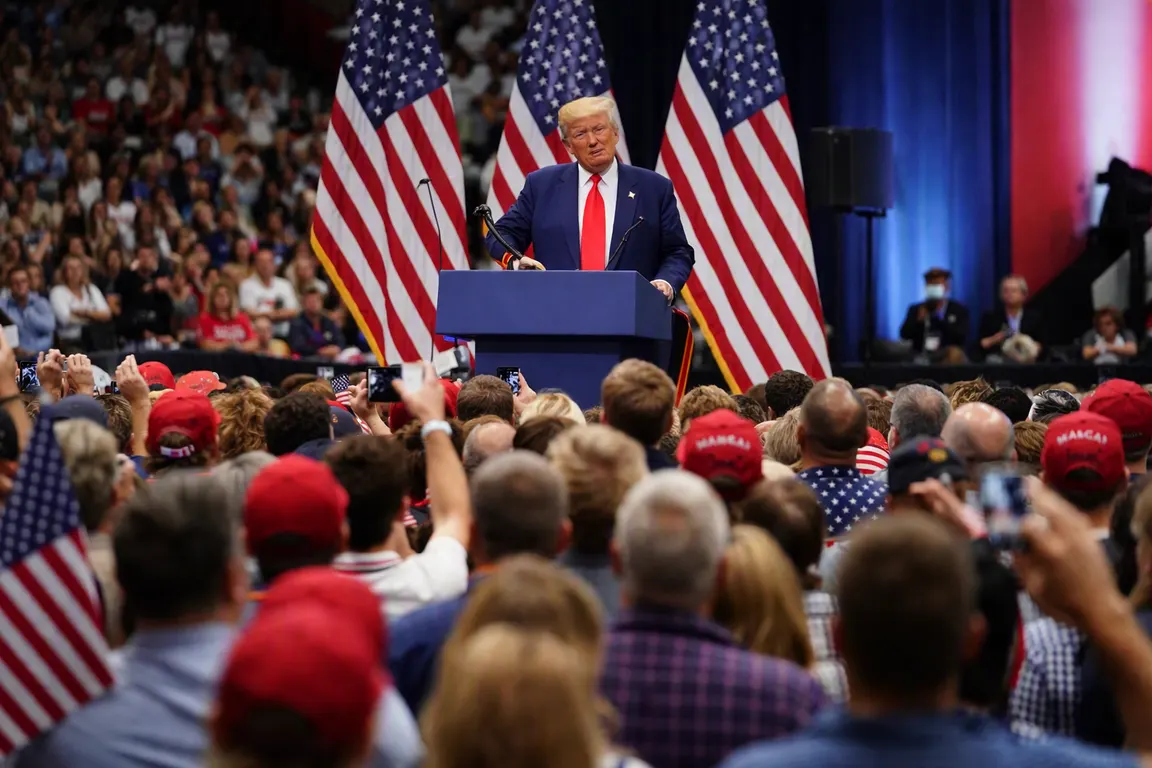
The Dallas Republican midterm convention took place June 5‑6 at the American Airlines Center, positioning former President Donald Trump as the centerpiece of the party’s 2024 congressional strategy. Trump opened the first night with the line, “Pretend I’m on the ballot,” a direct appeal to voters despite the event not involving formal nominations.
Organizers said the convention aims to translate Trump’s brand into voter turnout and policy messaging on taxes, immigration and foreign affairs as the November elections approach. Decision Desk HQ projects Democrats will win the House 230‑205 and the Senate 51‑49, a margin Republicans hope to narrow through heightened enthusiasm and fundraising.
More than 100 House members and candidates attended, along with vice‑presidential hopeful JD Vance, several cabinet officials and a video address from Democratic Senator John Fetterman, an unusual bipartisan element. Policy themes emphasized renewed tax‑cut proposals, stricter immigration enforcement and a portrayal of the Democratic agenda as “socialist.” Trump also promised “dividend checks” for voters, though no funding mechanism or legislative detail was offered; NBC and The Free Press noted the claim lacked substantiation.
The convention unfolded on the opening night of the NFL season, creating a competitive media environment. Al Jazeera highlighted the concurrent war with Iran as a looming concern for voters, while the Manila Times pointed to the party’s grim election forecasts. Neither outlet quantified how the conflict might shift voter sentiment, leaving analysts to gauge its indirect impact.
Republican strategists described the event as a “midterm convention,” while some media outlets called it a “two‑night television rally,” reflecting uncertainty about its formal status. Attendance by Republican candidates varied; several announced they would not appear, and precise numbers remain unclear.
Recent polls place Trump’s approval rating in the low‑30s, raising questions about the efficacy of a brand‑centric approach. Critics argue low personal favorability could limit the party’s ability to win swing districts, while supporters contend that the base’s enthusiasm may offset broader headwinds such as high inflation, elevated gas prices and the ongoing Iran conflict.
Financial markets are watching the projected partisan split because control of Congress will shape fiscal policy, tax legislation and defense spending. Early fundraising reports suggest the convention boosted contributions to GOP congressional campaigns, though the durability of that surge will depend on subsequent polling and voter mobilization.
Analysts will compare the convention’s messaging with upcoming primary contests and independent voter surveys to assess whether the Trump‑focused strategy can translate into measurable gains. As the midterm calendar progresses, the party’s next step will be to coordinate state‑level operations and monitor how swing‑district voters respond to the blend of brand appeal and policy proposals presented in Dallas.