

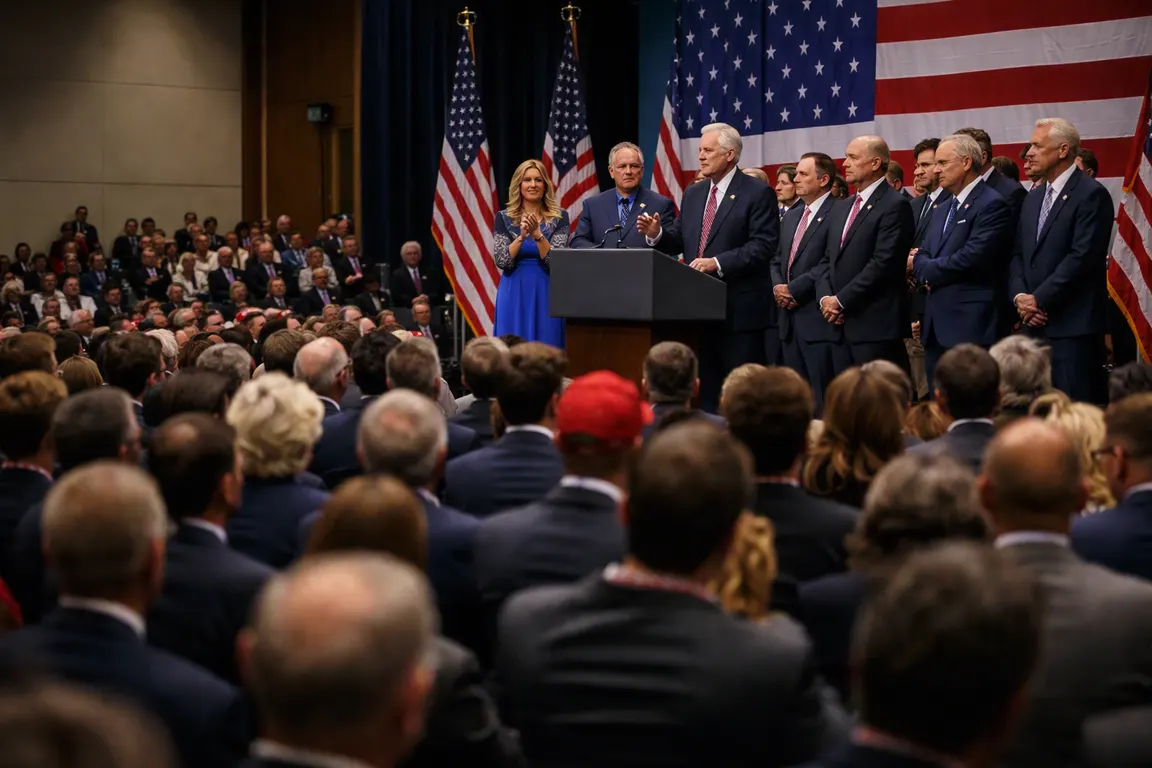
WASHINGTON — Republican leaders gathered in Dallas on Tuesday for the Dallas GOP midterm convention, a strategic effort to unify the party ahead of the 2026 House elections.
The three‑day event, hosted at the Kay Bailey Hutchison Convention Center, featured speeches from senior officials, state legislators, and campaign strategists. Organizers said the convention aims to coordinate messaging, recruit candidates and donors, and outline policy priorities that will shape the party’s national agenda.
"We need a clear, consistent message that resonates with voters in every district," said Rep. James McCarthy (R‑OH), who chaired the planning committee. McCarthy emphasized that the convention will focus on border security, economic growth, and infrastructure investment—issues Republican operatives say are critical to winning back seats lost in the 2022 midterms.
The agenda includes breakout sessions on fundraising tactics, data analytics, and voter outreach in swing districts. State party chairs from Texas, Florida, Ohio, and Pennsylvania will lead workshops on tailoring the national platform to local concerns.
A key outcome is the adoption of a unified policy platform. The document, released Thursday, calls for a "border enforcement overhaul," increased "private‑sector investment in infrastructure," and a "tax code that encourages small‑business growth." While the platform stops short of endorsing specific legislation, it signals the GOP’s intent to position itself as the party of economic opportunity and national security.
The timing reflects the party’s concern about the 2026 House map, expected after the 2024 census. Early coordination is intended to give Republicans a head start in recruiting candidates for newly drawn districts.
"Redistricting will reshape the political landscape," noted Sarah Delgado, a senior advisor to the Republican National Committee. "By convening now, we can identify strong candidates and allocate resources where they will have the greatest impact."
The convention also addressed internal dynamics. A panel highlighted the need to bridge gaps between the establishment and the populist wing, urging a focus on shared goals rather than intra‑party disputes.
Attendance included over 2,000 delegates, ranging from elected officials to grassroots activists. Several high‑profile donors, including business leaders from the energy and technology sectors, pledged financial support for the upcoming election cycle.
Critics argue the event underscores the GOP’s reliance on large‑scale fundraising, a model that may alienate rural voters. "Politics should be about people, not just money," said independent analyst Maria Torres. "The party will need to demonstrate that its policies translate into tangible benefits for everyday Americans."
Republican strategists contend that the data‑driven approach will help target resources efficiently. "We’re moving beyond gut instincts to a more scientific approach," said campaign manager Luis Ortega. "That’s how modern elections are won."
The Dallas convention concludes on Thursday with a rally featuring a keynote address by former Senate Majority Leader Mitch McConnell, who is expected to outline the party’s national strategy for the next two years.
As the GOP exits Dallas, its leaders say the convention marks a turning point in preparation for the 2026 midterms, with a focus on unified messaging, strategic candidate recruitment, and a policy platform designed to appeal to a broad electorate.