

Crypto Donations to Reform UK Prompt Calls for Tighter
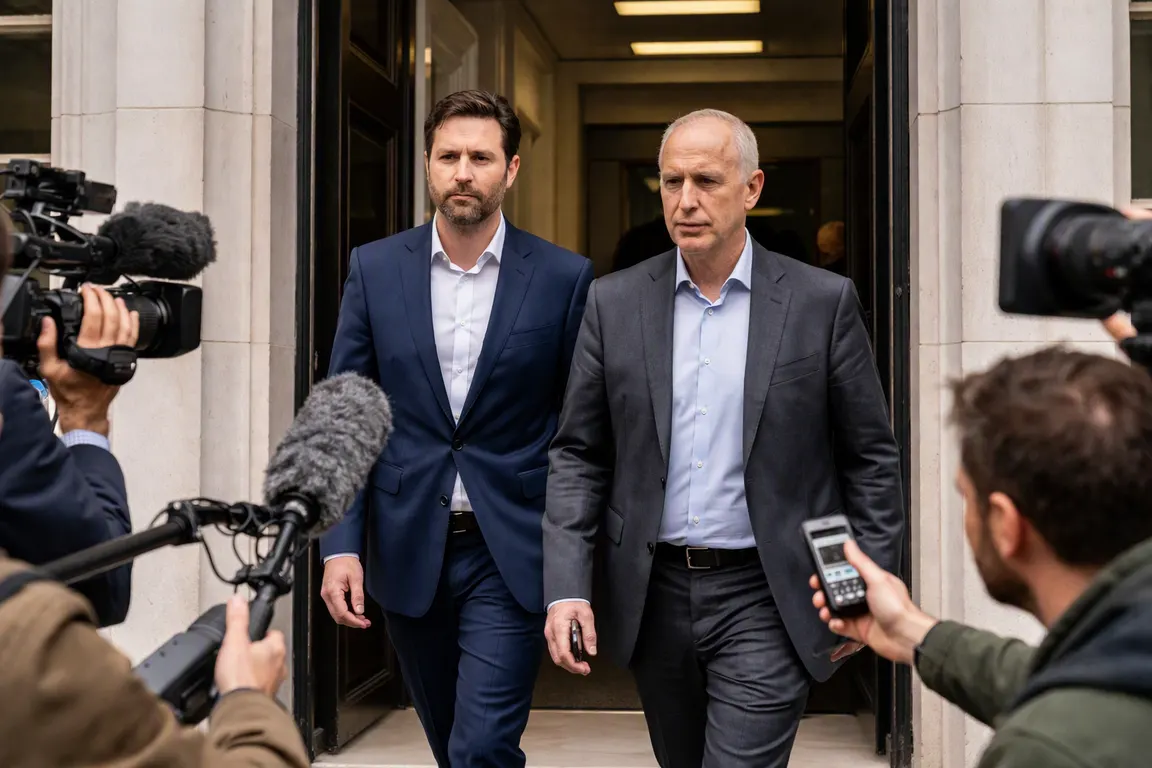
Reform UK announced on 12 October that crypto‑exchange founder Ben Delo had pledged £36 million to the party, followed a day later by a matching £36 million commitment from fellow investor Christopher Harborne. The combined £72 million war‑chest, the largest crypto donations Reform UK has ever received, exceeds the total 2024 campaign budgets of the Conservatives, Labour and the Liberal Democrats, prompting renewed debate over the influence of wealthy donors on British politics.
Delo, a co‑founder of BitMEX, said the donation was intended to give voters "more choice" and to "level the playing field" against larger parties. Harborne, a former investment banker with a portfolio of crypto‑related ventures, described his contribution as a "strategic investment in the future of British politics". Both men are prominent figures in the digital‑currency sector, a fact that has drawn additional scrutiny to the industry's growing political clout.
Reform UK leader Nigel Farage called the gifts "humbling" and said they would enable the party to "run a credible, nationwide campaign". The party argues the funds allow it to compete on equal terms with parties that have long benefited from established donor networks and state‑funded broadcasting slots.
BBC polls released on 14 October showed a modest dip in Reform's support after the announcements, suggesting that while the money may boost operational capacity, it also raises voter scepticism. Analysts note the surge could be a double‑edged sword: increased visibility may be offset by concerns that billionaire backing undermines the party's grassroots appeal.
The donations have intensified calls for stricter limits on individual contributions. Advocacy groups and several MPs have urged the Electoral Commission to revisit the £150,000 cap on party donations, arguing that the current framework does not adequately guard against outsized financial sway. No government response has been forthcoming, and the prospect of legislative change remains uncertain.
For the major parties, the development forces a reassessment of fundraising strategies. Both the Conservatives and Labour have signalled support for tighter donor‑limit legislation, framing the issue as one of democratic integrity. If reforms are introduced, they could reshape the broader landscape of UK political financing, potentially curbing the ability of wealthy individuals – from any sector – to inject comparable sums into a single party.
The crypto industry itself may face heightened scrutiny. As Delo and Harborne’s contributions become a focal point in public discourse, regulators could feel pressure to examine the sector's political engagements more closely, especially given ongoing concerns about money‑laundering and market stability.
Parliamentary inquiries into the legality and ethical implications of the gifts are expected in the coming weeks. Whether those investigations lead to new legislation or remain a matter of public debate will shape how Britain balances the right to support preferred parties with the need to preserve a level electoral playing field.