

Crown Estate to Pay £1.2‑£1.5 million for Royal Lodge
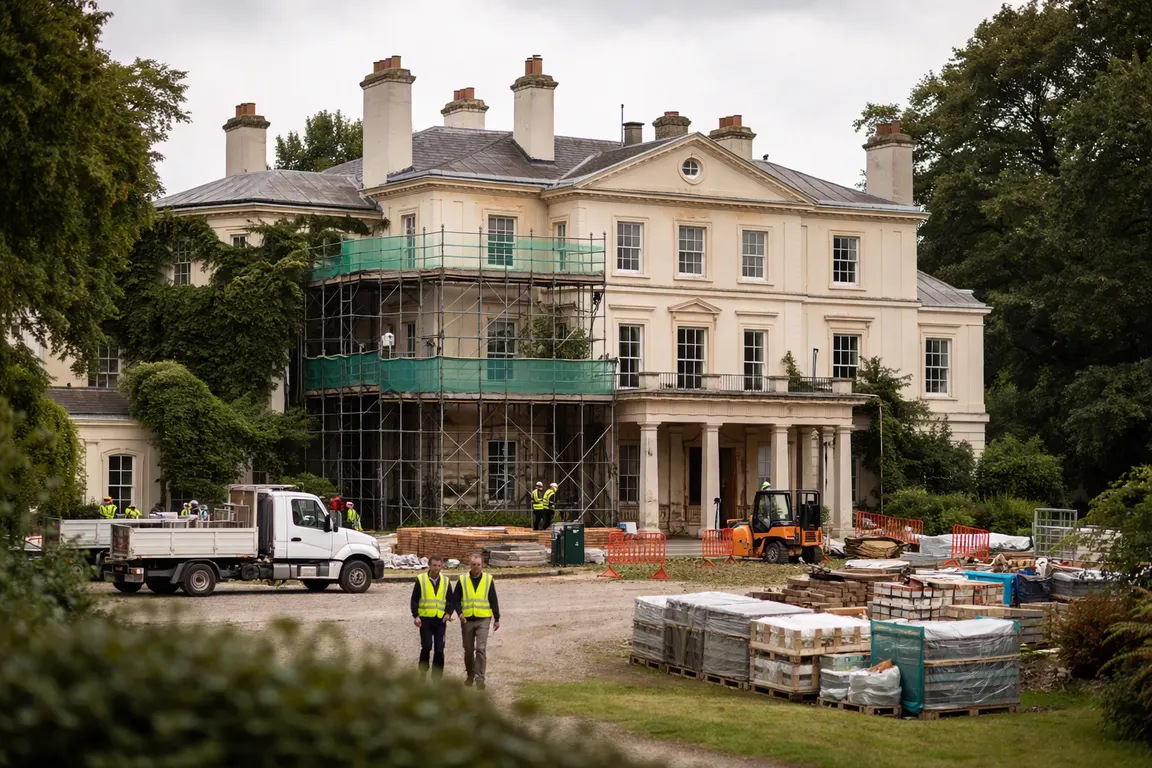
The Crown Estate will foot a repair and restoration bill of between £1.2 million and £1.5 million after Prince Andrew terminated his lease on the 30‑room Royal Lodge in 2023. The former duke received £302,000 in compensation for ending the tenancy early, leaving the net public outlay at roughly £1.2‑£1.5 million.
Royal Lodge, a 30‑room mansion set on 98 acres of the Windsor estate, was leased to Prince Andrew as a private tenant. When the lease ended, an assessment found that substantial work was needed to bring the historic building back to expected standards. The BBC reported a repair bill of £1.5 million; The Guardian put the total at £1.8 million. The Crown Estate, which owns the property, agreed to cover the costs.
The settlement has drawn scrutiny because the money comes from the Crown Estate’s publicly accountable budget, which is funded indirectly by taxpayers. While the royal household is exempt from ordinary public‑sector accounting, the lack of a transparent policy framework for lease terminations has prompted calls for clearer oversight of royal property finances.
Key questions remain. First, why was Prince Andrew’s compensation limited to £302,000 when the repair bill ran into the millions? Lease agreements typically contain restoration clauses, but the specific terms of this arrangement have not been disclosed. Second, how does this expense compare with other royal‑property maintenance costs? The royal household’s annual financial statements list broad figures for property upkeep but do not break out individual lease settlements, making direct comparison difficult.
Critics argue that the Crown Estate’s annual reports do not itemise the allocation of funds for a single property repair, limiting public verification. The opacity, they say, undermines confidence in the stewardship of public assets, especially when large sums are involved.
Local contractors performed the work, which included structural repairs, interior refurbishment and landscaping. The contracts were awarded through the Crown Estate’s standard procurement process, which follows public‑sector rules, but the overall financial impact on the public purse remains a point of contention.
The episode arrives amid heightened scrutiny of the royal household’s finances. While Prince Andrew’s personal controversies dominate headlines, the fiscal issue—public money used to settle a private lease termination—highlights why greater financial transparency is being demanded.
A parliamentary inquiry or a review by the National Audit Office is likely the next step. Until such an audit is published, the precise source of the funds—whether from the Crown Estate’s surplus, a contribution from King Charles III, or a combination—will remain unclear, leaving taxpayers without a full picture of how their money is being spent on royal property maintenance.