

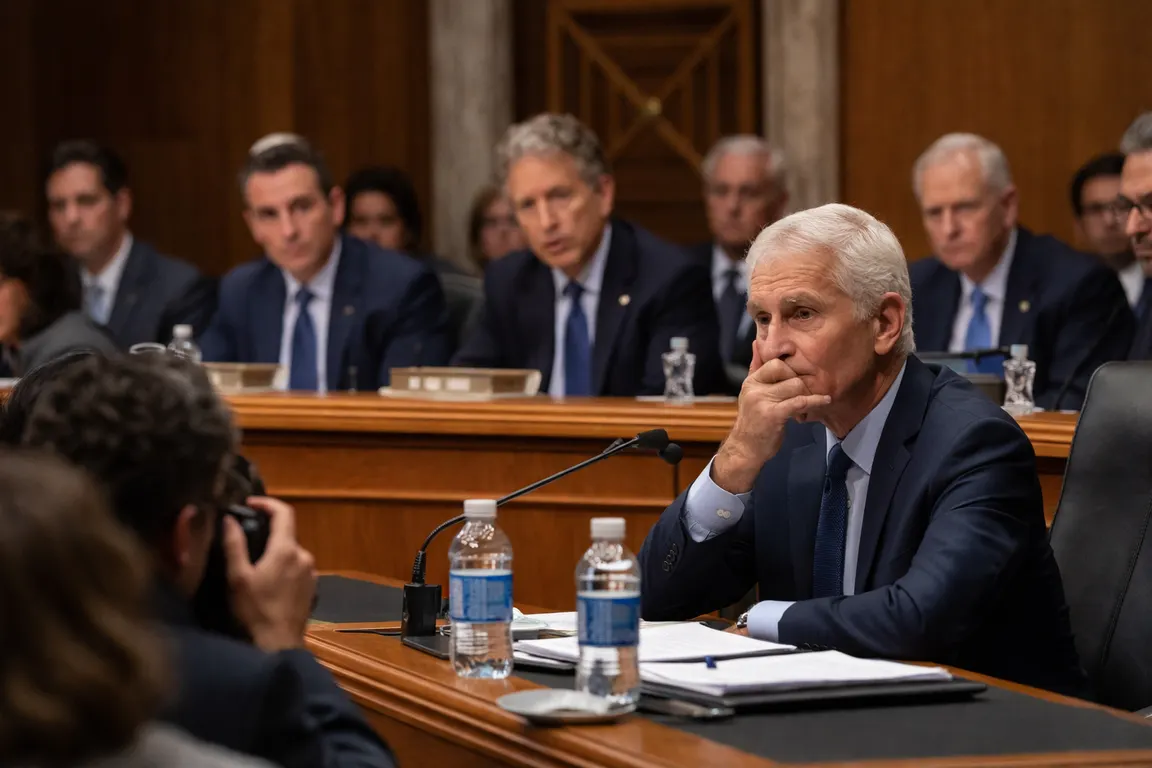
A Senate hearing on the COVID-19 pandemic response raised questions about the origins of the pandemic and the US response. Dr. Anthony Fauci invoked the Fifth Amendment over 100 times during the hearing, which was held by the Senate Homeland Security Committee. The committee, led by Chairman Sen. Rand Paul, asked Fauci about the origins of the COVID-19 pandemic, prompting his invocation of the Fifth Amendment.
The hearing is part of an ongoing debate over the pandemic's origins and the US COVID-19 response, with significant implications for public health policy and oversight. Fauci's invocation of the Fifth Amendment may impact the outcome of the hearing, particularly given his preemptive pardon from President Biden. The committee is considering contempt charges against Fauci, although the implications of his invocation of the Fifth Amendment are unclear.
The hearing highlights the ongoing clash between Fauci and Republicans, with the committee seeking answers about the pandemic's origins and the US response. As the pandemic continues to evolve, the hearing and its outcome may have significant consequences for the US response and oversight. The committee's next steps, including potential contempt charges, are uncertain, leaving many questions unanswered about the pandemic's origins and the US response.
The Senate Homeland Security Committee's inquiry into the COVID-19 pandemic response is a key aspect of the ongoing debate over public health policy and oversight. The hearing and its outcome may impact the lives of millions of Americans, particularly in terms of public health policy and the ongoing response to the pandemic. The committee's findings and recommendations will be closely watched, as they may shape the US response to future pandemics and public health crises.
The hearing also underscores the importance of transparency and accountability in government, particularly in times of crisis. The invocation of the Fifth Amendment by a high-ranking official like Fauci raises questions about the extent to which government officials can be held accountable for their actions. The outcome of the hearing and any subsequent contempt charges will be closely watched, as they may set a precedent for future cases involving government officials and their testimony before Congress.