

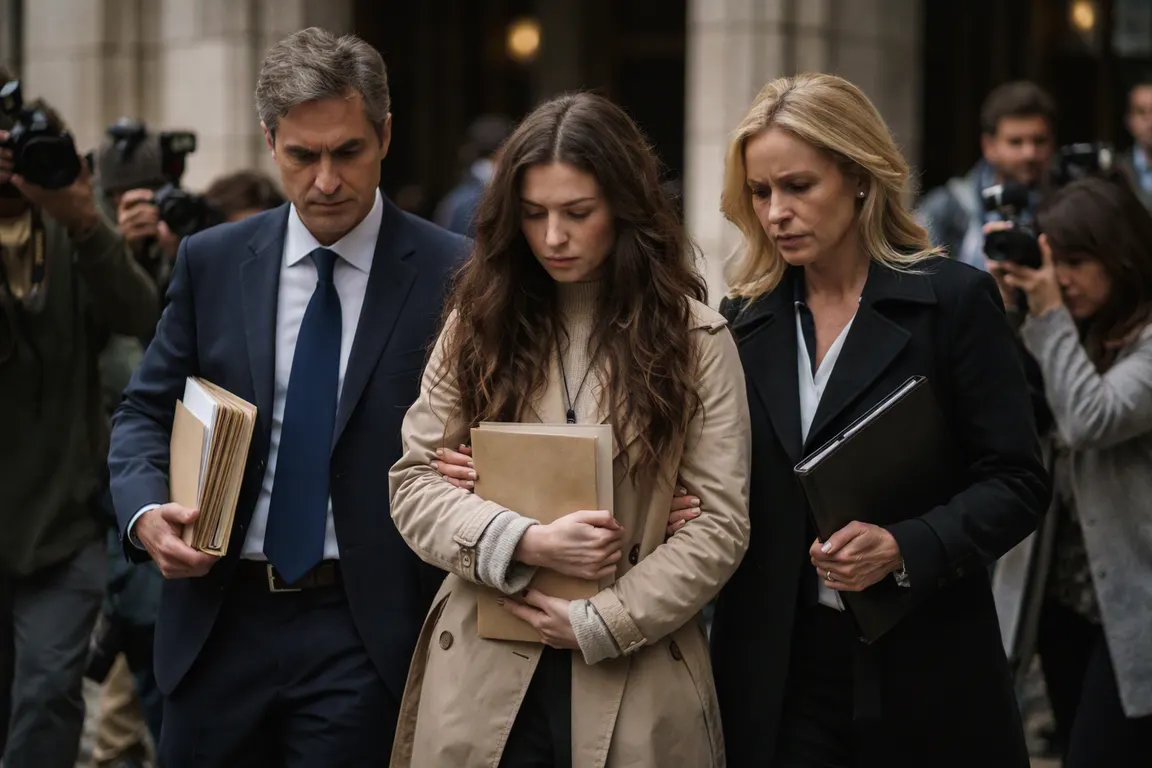
A former Cornell University student filed a federal civil lawsuit last week accusing seven male classmates of raping her on campus in 2024. The complaint follows the Cornell Title IX investigation, which produced a large collection of emails, chats and other records, yet the Ithaca District Attorney’s Office announced it would not pursue criminal charges.
The plaintiff’s filing names the seven students and alleges non‑consensual sexual penetration. Cornell’s Title IX office opened an inquiry shortly after the incident was reported, gathering digital communications, witness statements and other evidence. The New York Times later obtained those materials, describing the archive as “mountains of documents, emails and chats.”
Despite the extensive internal record, prosecutors declined to file charges and have offered no detailed explanation. Media commentary has been divided: RealClearPolitics published pieces suggesting the evidence could have supported convictions, while also noting possible procedural gaps that may have hampered a criminal case. A National Review column dismissed the case as a “disgusting spectacle of moral rot,” offering opinion rather than new facts.
The absence of criminal charges leaves the accused students facing only possible university disciplinary action. Cornell has not released the outcome of its Title IX process, so the campus community remains uncertain about any sanctions or remedial measures.
For the plaintiff, the civil suit provides a path to accountability when the criminal system has not acted. The filing underscores the emotional and financial burdens of pursuing litigation and raises broader questions about how higher‑education institutions and law‑enforcement agencies coordinate investigations of sexual assault.
Student groups at Cornell have called for greater transparency in Title IX investigations, arguing that opaque procedures erode trust in campus safety mechanisms. Faculty members have expressed concern that the lack of criminal prosecution may reflect systemic shortcomings in cooperation between universities and prosecutors.
The case arrives amid renewed debate over Title IX guidance. Lawmakers at the state and federal levels are considering revisions to the Department of Education’s 2020 rule changes, which could impose higher evidentiary standards for disciplinary actions and expand rights for accused students.
A preliminary hearing is scheduled for later this month, during which a judge will decide whether the plaintiff’s claims meet the threshold for discovery. The unanswered question—why prosecutors declined to act on a record that some analysts say could have supported criminal charges—will shape not only this case but also the broader national conversation about handling sexual‑assault allegations on college campuses.
Stakeholders across higher education are watching closely. Prospective students and their families may reassess Cornell’s ability to protect students, while policymakers consider whether new reporting requirements or procedural safeguards are needed to ensure both victim safety and due‑process protections.
The outcome of the civil suit and any subsequent university actions will likely become a reference point for future Title IX investigations and for the ongoing effort to balance campus safety with fair disciplinary processes.