

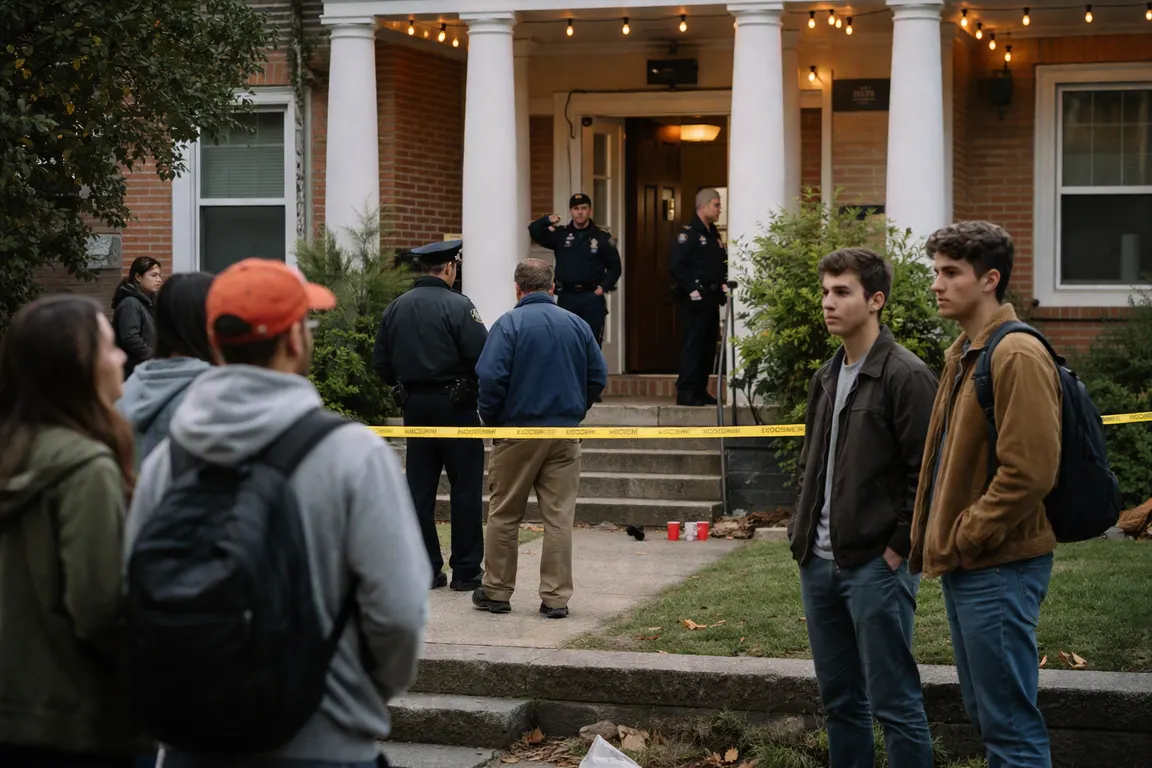
President Michael Kotlikoff announced on Oct. 13, 2026 that all parties and social events in Interfraternity Council (IFC) houses are prohibited for the remainder of the 2026‑2027 academic year. The Cornell fraternity party ban follows a reopened criminal investigation by New York Attorney General Letitia James into an alleged gang‑rape that occurred in October 2024 at a Cornell fraternity house.
The investigation was revived after a lawsuit filed Sept. 16, 2026 by a student identified as Jane Doe alleged that Cornell, the Chi Phi fraternity and university officials were negligent and that Doe was "incapable of consenting." The complaint contrasts with statements from Tompkins County District Attorney Matthew Van Houten, who noted that Doe described the encounter as voluntary. The conflicting accounts have intensified scrutiny of Cornell’s handling of the case.
In response, Cornell hired former Deputy U.S. Attorney General Sally Yates to conduct an independent review of its policies and response procedures. The review will examine reporting mechanisms, the Office of Civil Rights’ role, and the adequacy of existing safeguards. Cornell also announced the addition of staff to the Office of Civil Rights, including a dedicated case manager to coordinate survivor support, and a partnership with the New York State Police for independent criminal investigations when needed.
Beyond the party ban, the university will require all IFC houses to complete mandatory by‑stander‑intervention training, install additional security cameras in common areas, and submit quarterly compliance reports to the Office of Civil Rights. The measures apply to on‑campus fraternity houses; officials have not confirmed whether off‑campus gatherings are covered.
Governor Kathy Hochul appointed AG James as special prosecutor, removing the local district attorney from the case and giving the state a direct role in any criminal charges. Legal analysts say a special prosecutor can pursue charges without local political pressure, potentially increasing the likelihood of prosecution.
Cornell faces potential financial liability from the lawsuit and reputational risk that could affect enrollment. The university’s enrollment office reported a modest dip in applications for the upcoming fall term, and families of prospective students have raised safety concerns. The faculty senate is preparing a no‑confidence vote on the administration’s handling of sexual‑assault cases, a step that could pressure further policy changes.
Students affected by the investigation have access to counseling services, the newly appointed case manager, and a 24‑hour hotline. The university also pledged to expand Title IX resources and to hold town‑hall meetings to keep the campus community informed.
The next steps include the faculty‑senate vote slated for mid‑October, the release of Yates’s independent review, and the continuation of the state‑led criminal investigation. How Cornell balances disciplinary actions, survivor support and due‑process rights will shape its campus culture and could influence policies at other institutions facing similar allegations.