

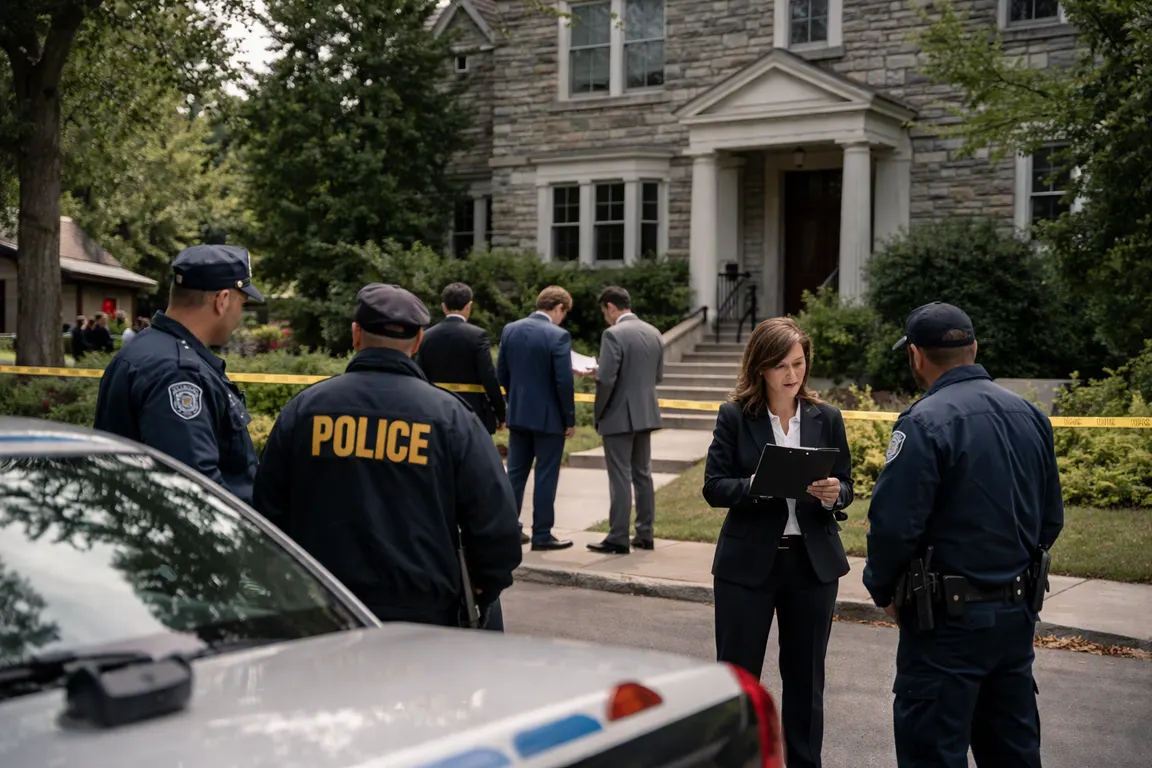
Governor Kathy Hochul issued an executive order Thursday naming Attorney General Letitia James as special prosecutor in the alleged 2024 Cornell fraternity assault. The appointment removes the local district attorney from the criminal investigation and places the case under state control.
The alleged assault, reported by a student identified as Jane Doe, alleges that she was drugged and raped by multiple fraternity members in 2024. Cornell launched its own internal investigation shortly after the incident, while students staged protests demanding greater accountability and criticizing the university’s response.
State officials said the move addresses concerns that local prosecutorial decisions could be compromised by perceived conflicts of interest or political pressure. By granting James authority to direct the criminal probe, issue subpoenas and decide whether to file charges, the governor aims to provide an independent layer of oversight.
Legal analysts note that the Attorney General’s office can draw on statewide resources, bring in outside counsel and operate with a broader jurisdictional scope than a county district attorney. The special prosecutor will work separately from Cornell’s disciplinary process, though both investigations may exchange evidence when required by law.
The appointment does not alter the university’s parallel disciplinary proceedings, which will continue under Cornell’s policies. However, the state’s involvement signals to other institutions that external oversight is possible when community confidence in local handling erodes.
Stakeholders on campus are watching closely. For the alleged victim, the state appointment may restore confidence in the impartiality of the criminal process. For the accused fraternity members, a new prosecutorial perspective could affect the likelihood and nature of any charges. Cornell administrators now must balance campus safety concerns with due‑process rights for all parties.
The case also carries broader implications for the university’s reputation and finances. Donors and prospective students often consider campus safety records, and a high‑profile state intervention could influence enrollment and fundraising. Other universities may look to this case as a reference point for when state authorities should step in.
James’ office has not set a timeline for its review, nor disclosed criteria for filing charges. The next steps include gathering testimony, reviewing forensic evidence and determining whether the alleged conduct meets the threshold for criminal prosecution. Whether a grand jury will be convened remains uncertain.
State officials have not provided a target date for concluding the investigation, leaving the campus community and the public awaiting further developments.