

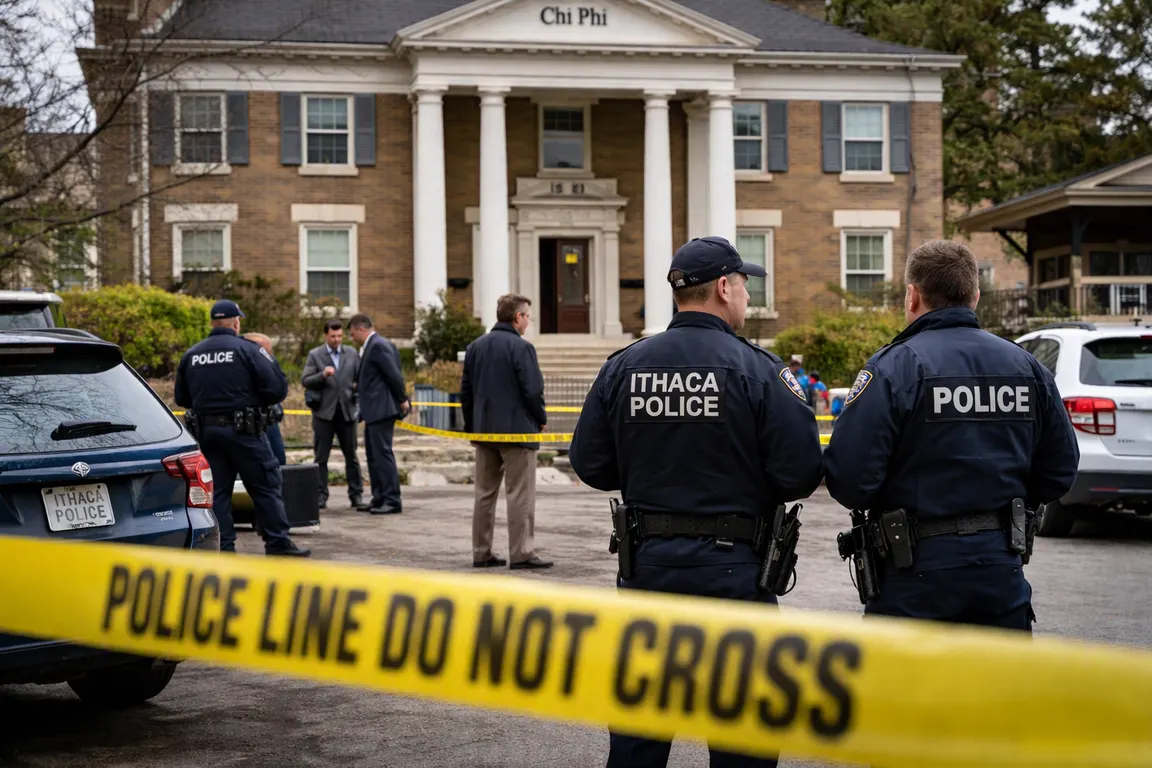
New York Attorney General Letitia James has assumed control of the criminal investigation into the alleged 2024 assault by seven members of Cornell University’s Chi Phi fraternity, marking a major step in the Cornell fraternity assault investigation. At the same time, Cornell’s board of trustees has hired an outside law firm to review the university’s handling of the case.
The dual investigations shift the focus from internal discipline to external oversight. The move follows a civil lawsuit filed last month by a student identified only as Jane Doe, who alleges she was drugged with ketamine and raped by the fraternity members. The lawsuit’s graphic details have spurred a social‑media campaign under the hashtag IAmJaneDoe, echoing earlier MeToo activism.
Cornell President Michael Kotlikoff announced Saturday that the law‑firm review will assess the school’s policies, reporting mechanisms and response protocols for compliance with Title IX and will recommend reforms. The firm’s name has not been disclosed. Governor Kathy Hochul appointed Attorney General James on Monday to reopen the criminal investigation, giving her office subpoena power, authority to compel testimony and the ability to file charges if evidence warrants.
University officials acted quickly after the lawsuit became public. The accused students were suspended, the Chi Phi chapter was shut down and several members were expelled following separate disciplinary hearings. Cornell’s statement emphasized a commitment to “take every step necessary to make Cornell an institution that leads… in the work that we do to address them.”
The plaintiff’s attorney reported that women mistakenly identified as Jane Doe have received threats, including a direct threat to the attorney on Sunday morning. Law‑enforcement agencies are investigating the threats, but the perpetrators remain unknown. In response, Cornell has increased security patrols and expanded counseling services.
Legal scholars note that a state attorney general’s involvement in a campus sexual‑assault case is unusual. “When the Attorney General steps in, investigative resources and prosecutorial discretion expand dramatically,” said a Columbia University criminal‑law professor. The precedent could affect other schools where local prosecutors have previously closed investigations without filing charges.
Critics caution that Cornell’s internal review could be hampered by reliance on administrators who oversaw the original response. Supporters argue that an independent law‑firm audit offers a realistic path to change, especially if recommendations address reporting gaps, evidence preservation and survivor support.
The investigations could shape fraternity culture nationwide. Recommendations for stricter oversight of Greek life may pressure universities to suspend or permanently close chapters implicated in misconduct. Conversely, a lack of substantive policy shifts could reinforce criticism that the dual response is largely symbolic.
Cornell has pledged to release the law‑firm’s findings later this semester, and Attorney General James’ office is expected to issue a preliminary report within 60 days. Whether those reports will trigger new state regulations or revisions to federal Title IX guidance remains uncertain, but the case underscores the tension between campus autonomy and external accountability.