

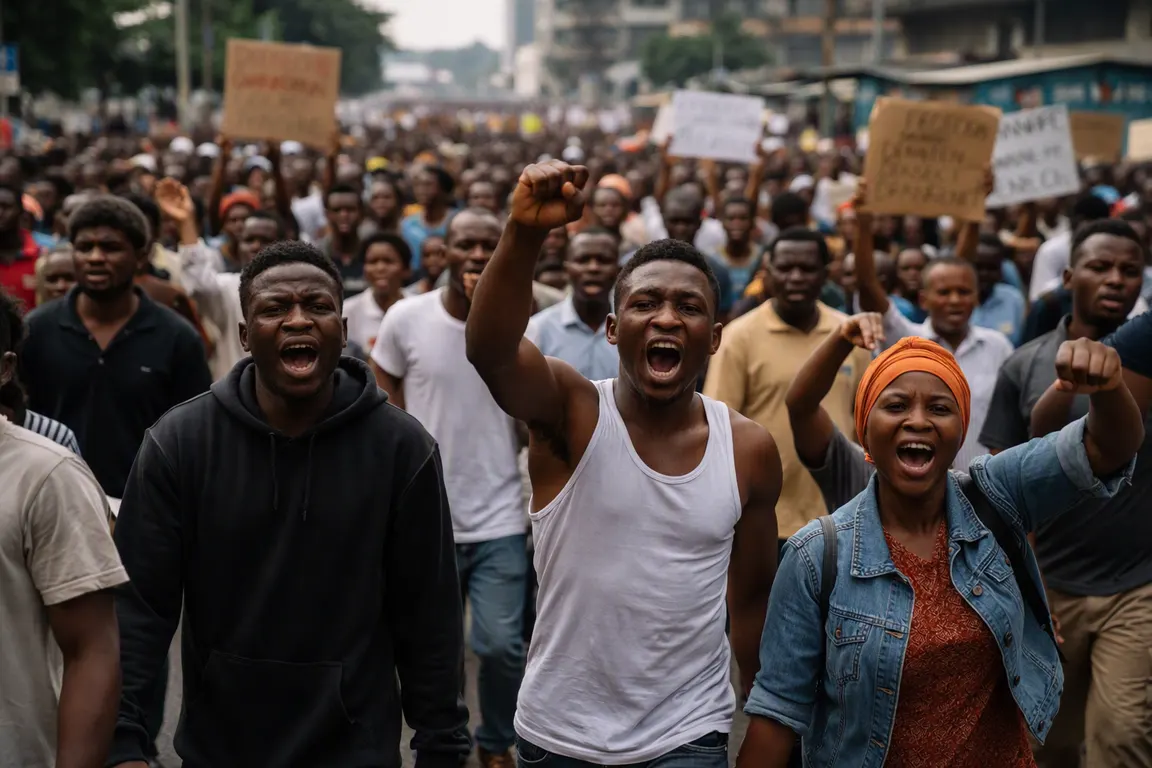
Hundreds of demonstrators took to the streets in Kinshasa, Lubumbashi, Mbuji‑Mayi and other cities on Saturday to demand that the government abandon a draft third term constitutional amendment in Congo. Protesters chanted for the preservation of term limits and displayed placards reading “No to a third term.”
Police responded with tear‑gas canisters and baton charges, arresting protesters in at least three locations. Officials did not disclose how many were detained or whether anyone was injured, but nearby clinics reported a rise in minor injuries.
The proposal seeks to delete the two‑term limit established in the 2006 constitution. If adopted, it would allow President Félix Tlali to run for a third five‑year term, a change opposition parties say would undermine the democratic transition promised after years of conflict.
Organizers said hundreds gathered in Kinshasa’s central square, while similar rallies unfolded in Lubumbashi, Mbuji‑Mayi and other provincial capitals, indicating a broad‑based rejection of the amendment.
The unrest marks a shift from earlier, localized protests. Business districts in Kinshasa reported a slowdown as commuters avoided streets near protest sites, and merchants expressed concern about the impact on sales and supply chains.
International observers are watching closely. The Democratic Republic of Congo receives significant aid from multilateral donors and hosts foreign investors in mining and infrastructure. Heightened instability could prompt a reassessment of aid or delay planned investments, adding pressure to an already fragile fiscal outlook.
The government has not issued a formal timetable for the amendment’s legislative process. Lawmakers are expected to debate the proposal in the National Assembly in the coming weeks, but the lack of clarity fuels speculation about back‑room negotiations or a forced vote amid the protests.
Human‑rights groups have called for restraint and transparent reporting of arrests. As police continue crowd‑control measures, residents’ immediate priority remains safety.
The next step will likely be a parliamentary session where lawmakers vote on the amendment’s inclusion in the constitutional draft. Citizens and observers alike await the outcome, aware that the decision will either quell the streets or deepen the divide between the state and its people.