

CDU barely clears election threshold in Berlin and
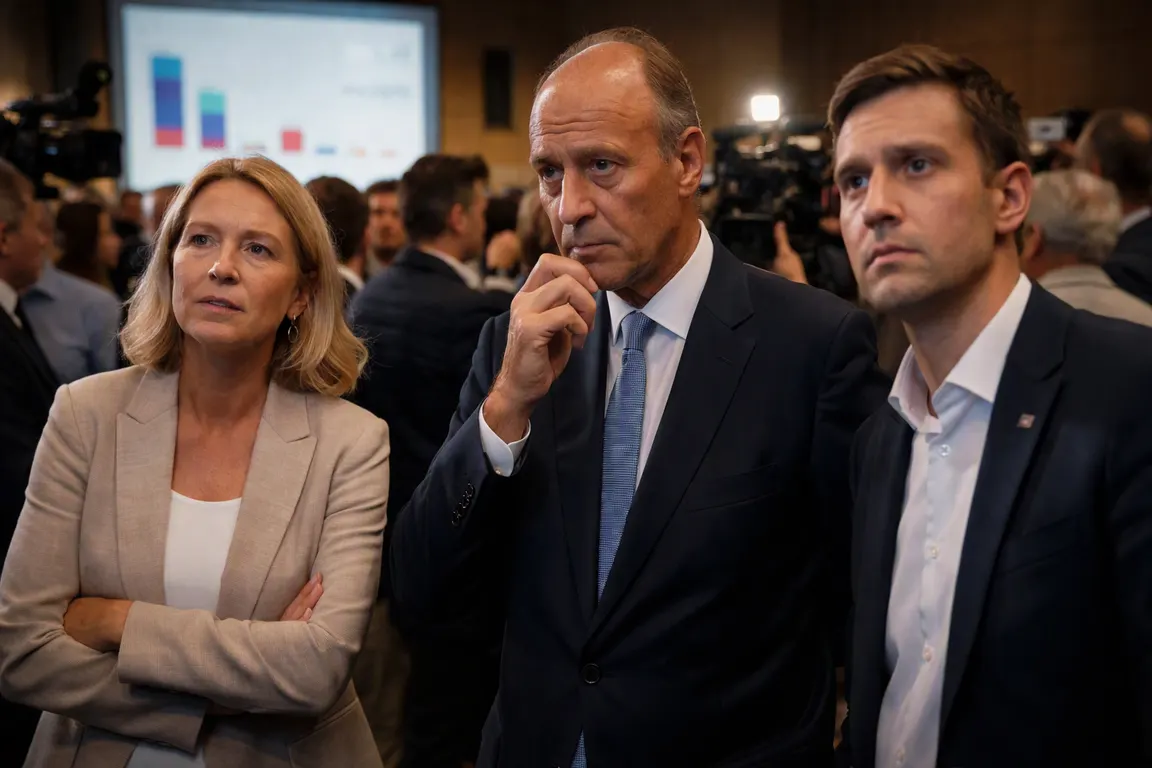
On Sunday voters in Berlin and Mecklenburg‑Vorpommern gave the centre‑right CDU its worst state‑level results ever, leaving the party just above the 5 % entry threshold in the north‑east and trailing Die Linke in the capital. The outcome arrives as Chancellor Friedrich Merz approaches the one‑year mark of his chancellorship and his personal approval rating slipped to a record‑low 13 % in the latest Infratest Dimap poll.
The defeats matter because they shrink the CDU’s share of seats in the governing coalition, jeopardising the passage of promised reforms on energy‑price relief, pension adjustments and other social‑welfare measures. With the coalition’s majority already thin, any further loss of seats could force concessions to opposition parties that hold the balance of power in the Bundestag.
In Mecklenburg‑Vorpommern the CDU secured roughly 6 % of the vote, just enough to clear the legal threshold, while the AfD attracted about 36 % and the SPD 37 %, according to ZDF. In Berlin, exit polls show the CDU falling behind Die Linke, which has centred its campaign on the city’s acute housing crisis.
The results follow a recent AfD surge in Saxony‑Anhalt, where the party approached a near‑majority, signalling a broader right‑wing advance in regional politics.
Merz called the vote a “disaster” and cancelled a planned trip to the United Nations General Assembly to focus on the domestic fallout. He convened an emergency meeting of CDU leadership and vowed to stay in office. Eight state premiers issued a joint statement urging “stability now more than ever” and warning that internal party disputes could further destabilise the coalition.
For ordinary Germans the immediate impact could be delayed or altered policy measures. Households in both states were expecting faster energy‑price relief and expanded social‑welfare programmes; a stalled reform agenda could extend the current cost‑of‑living squeeze. Business sectors that rely on clear policy signals, such as automotive manufacturers and export‑oriented firms, may postpone investment decisions until the coalition’s legislative agenda is clarified.
If the AfD or Die Linke translate their regional gains into greater influence, policy debates could shift. The AfD’s platform emphasizes stricter immigration controls and heightened security measures, while Die Linke is pushing for more aggressive rent controls and expanded public housing. Both positions would require the coalition to renegotiate its priorities, potentially reshaping the government’s approach to social welfare and public safety.
The results also mark a sharp departure from previous CDU performances. In the 2019 state elections the party achieved double‑digit vote shares in both regions, and in the 2021 federal election it secured over 20 % nationally. The current figures represent the party’s lowest state‑level support since reunification.
Looking ahead, the CDU’s next steps will be scrutinised by allies and opponents alike. The upcoming crisis meeting will determine whether the party seeks a policy reset, attempts to rebuild its voter base, or considers strategic alliances with smaller coalition partners. Until a clear course is set, the stability of Germany’s governing centre‑right bloc remains in question.