

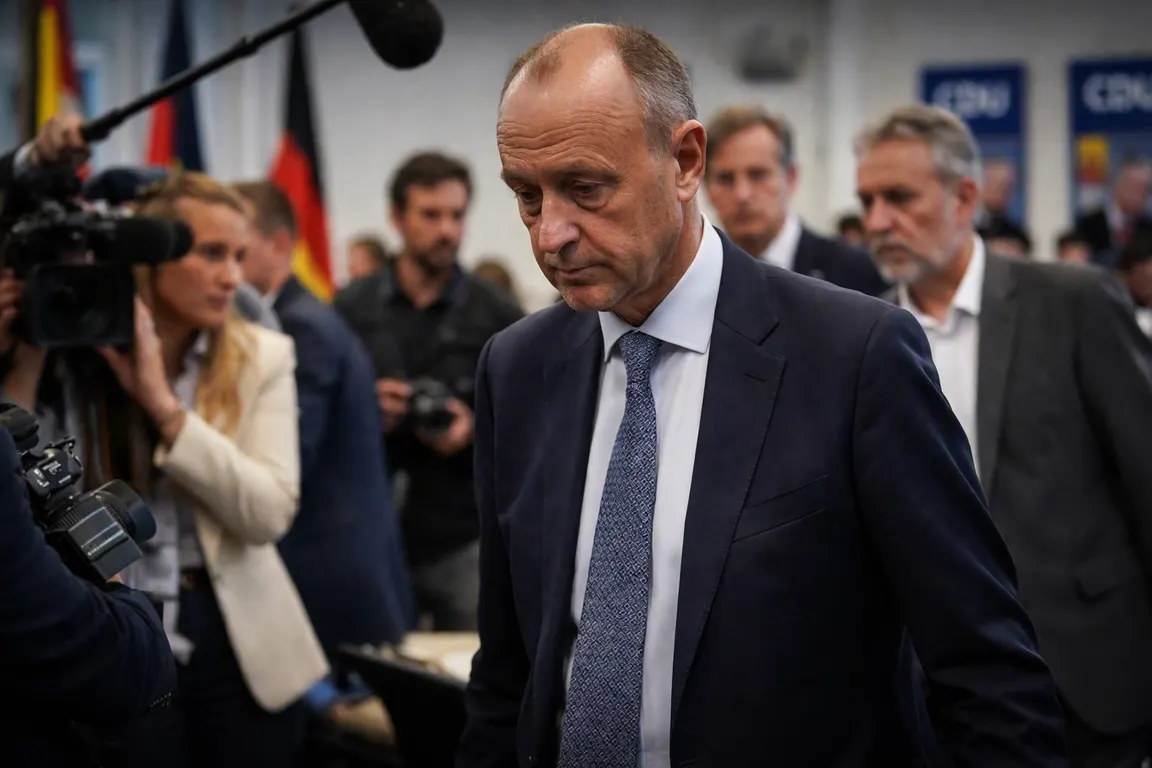
The ruling Christian Democratic Union suffered back‑to‑back losses in two state elections, most notably in Mecklenburg‑Vorpommern, putting Chancellor Friedrich Merz’s fiscal and growth agenda in doubt. These CDU election losses Germany reforms face scrutiny as analysts assess the impact on the planned policy package.
In Mecklenburg‑Vorpommern the CDU failed to retain power, a result confirmed by The Guardian. A second, unnamed state election produced a similar outcome, with left‑wing and far‑right parties making gains, according to International Top News & Analysis.
Merz told the BBC he would stay in office “for Germany’s democratic future” and keep the coalition together. The statement was echoed by the Wall Street Journal and The Guardian, but no legislative action has followed; the chancellor’s remarks remain political commitments.
Economists warned that the setbacks jeopardise the planned reforms, which include corporate‑tax cuts, deregulation of the labour market and a re‑orientation of public‑investment priorities. The Wall Street Journal described the overhaul as “unpopular,” and analysts from International Top News & Analysis argue that the loss of a clear electoral mandate weakens the government’s ability to push the measures through, especially as the Greens and the AfD gain ground.
Inside the CDU, sources reported growing unrest. The Guardian and the BBC noted pressure on party leaders to reconcile internal dissent with the need to preserve coalition stability. Merz admitted that the election results “go far beyond my own person,” and the lack of a concrete timetable for the reforms adds to the uncertainty.
German companies awaiting tax relief and regulatory simplification now face a waiting game, while investors watch for signals that could affect the euro and broader EU fiscal policy. If the reform agenda stalls, planned efficiency gains in infrastructure spending and digitalisation could be delayed, impacting everyday consumers.
The rise of left‑wing and far‑right parties in the affected states suggests a more fragmented Bundestag, which could complicate consensus on budget priorities and fiscal discipline. European partners are watching closely; the BBC highlighted that Germany’s role in EU economic coordination depends on delivering a credible growth strategy.
The next steps remain unclear. Merz has pledged to remain in office, but the CDU must navigate internal debates and negotiate with coalition partners to rebuild a governing majority capable of advancing the reform package. Whether the party can translate its national agenda into actionable policy after these regional setbacks will shape Germany’s economic trajectory and its standing in Europe.