

Brazil runoff election on Oct. 25 Lula and Bolsonaro clash
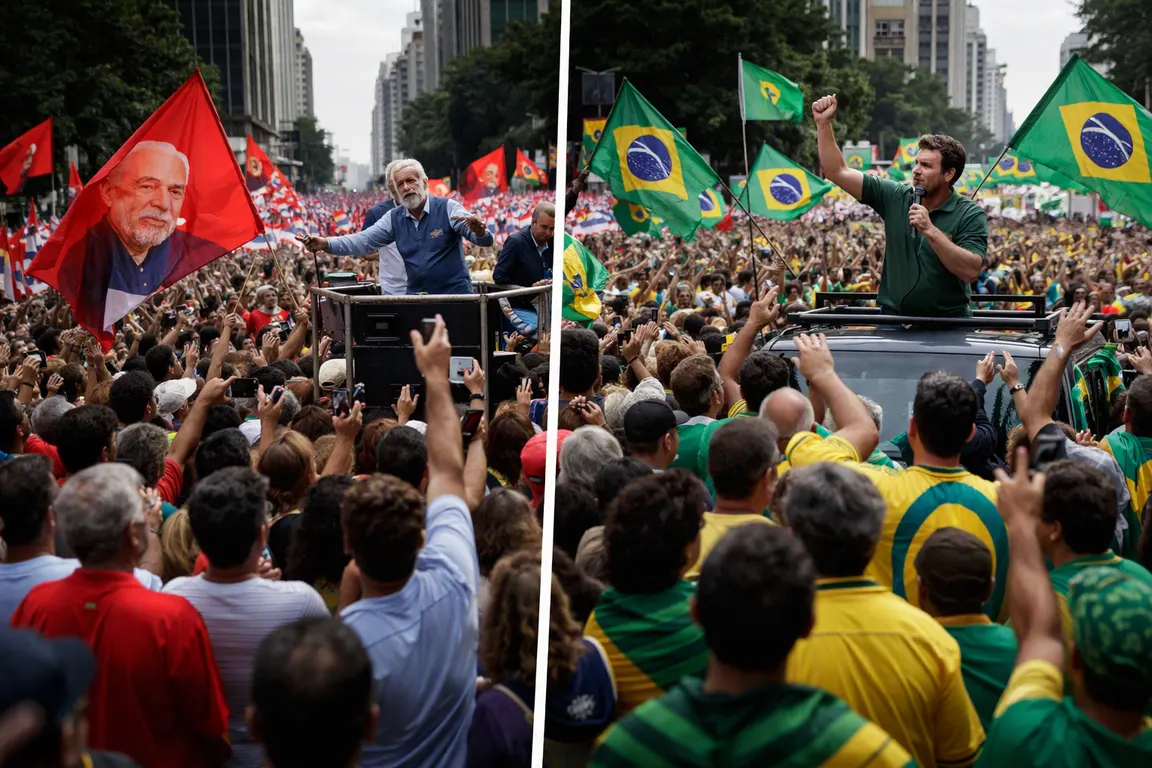
Brazil will hold a runoff election on Oct. 25 after incumbent President Luiz Inácio Lula da Silva received 53.7 million votes and Flávio Bolsonaro garnered just over 56 million in the July 29 first round. The second round will determine whether the country’s 214 million‑strong electorate continues a left‑leaning, China‑engaged agenda or shifts to a right‑wing platform that leans toward the United States.
Lula, 80, is seeking a fourth non‑consecutive term. He has highlighted his administration’s poverty‑reduction record while warning of an affordability crisis and noting ongoing corruption probes. Flávio Bolsonaro, 45, the son of former President Jair Bolsonaro, has positioned himself as a Trump‑style candidate, promising tougher crime measures and a foreign‑policy pivot toward Washington.
Both candidates register roughly 50 % disapproval in recent polls. The Organization of American States confirmed that voting proceeded smoothly and affirmed the integrity of Brazil’s electronic system, which has been in use since the 1990s.
Third‑place finisher Augusto Cury earned 3.4 million votes and declined to endorse either finalist, leaving the electorate sharply divided. Analysts note that Bolsonaro’s surge exceeded most poll projections, a point highlighted by RealClearPolitics, though exact vote totals were not detailed in that outlet.
Policy differences are concrete. Lula’s government has pursued social programs, price‑control measures and partnerships with China on infrastructure and rare‑earth mining. A second Lula term would likely maintain those ties and continue state‑led price caps to curb inflation, though critics warn of fiscal strain.
Bolsonaro’s platform emphasizes deregulation, a hard‑line stance on crime and a pivot toward U.S. trade agreements, including incentives for American investment in the energy sector. Business leaders are watching for signals on export duties for commodities such as soy and iron ore and on the regulatory climate for foreign firms seeking Brazil’s mineral wealth.
Regional implications are significant. A Lula‑led Brazil would probably sustain its current climate commitments and security cooperation with Mercosur neighbors. A Bolsonaro victory could reshape Brazil’s stance on migration and border enforcement, affecting broader South American stability.
The runoff is set for Oct. 25, with the winner taking office on Jan. 5, 2027. As the OAS affirms the electronic voting process, public confidence remains high, but the tight race and divergent policy paths keep markets and citizens attentive. The decisive question now is whether Brazil will double down on its China‑linked growth model or recalibrate toward a U.S.-oriented strategy, a choice that will shape the nation’s economic outlook and geopolitical posture for the next four years.