

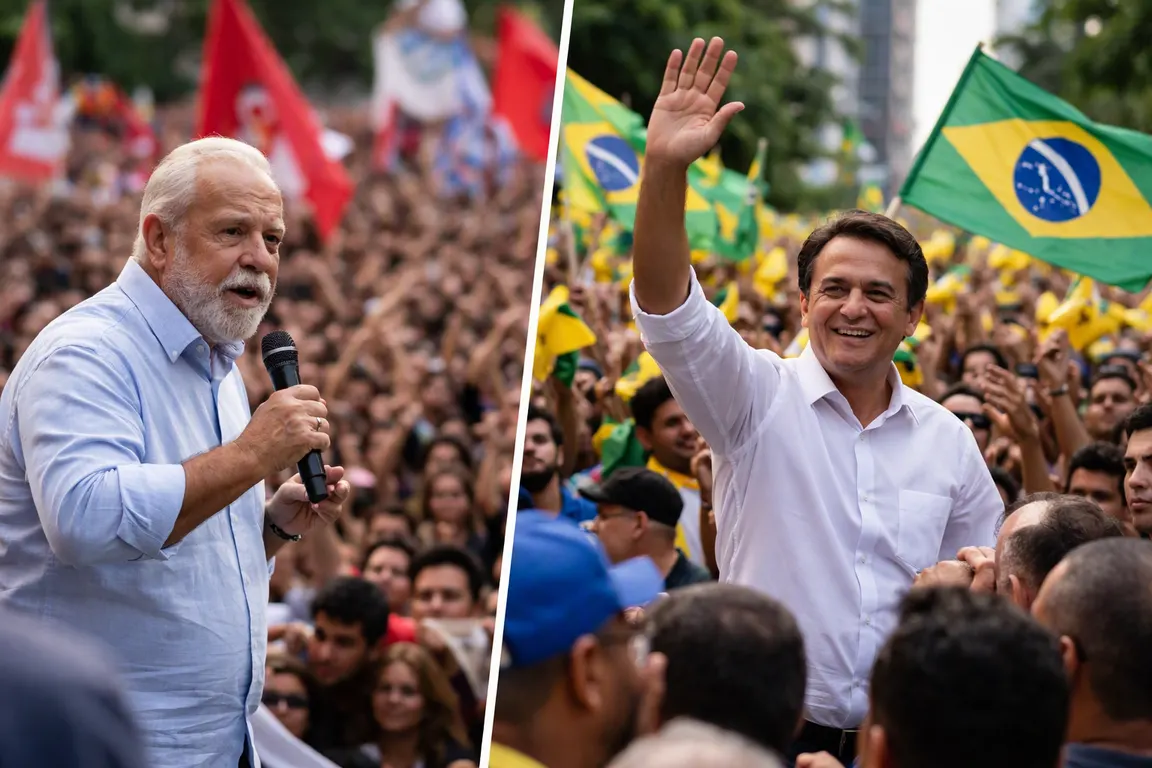
Incumbent President Luiz Inácio Lula da Silva will face a Bolsonaro‑linked contender in the Brazil Oct. 25 runoff after the Oct. 6 first round failed to produce a majority. International outlets now list the Bolsonaro faction as the heavy favorite, a sharp turn from its pre‑election marginalization.
The runoff matters for Brazil’s fiscal stance, environmental commitments and social programs at a time investors and regional partners are gauging the country’s economic outlook. A Bolsonaro‑linked victory could mean looser fiscal discipline, a reassessment of commodity‑export policies and a potential easing of recent climate‑related regulations, shifts that would affect Brazil’s role in Mercosur and its appeal to foreign capital.
No candidate reached the 50 % threshold in the first round, triggering the constitutional runoff. Early post‑vote analysis showed a surge in support for the Bolsonaro family, a trend documented by several foreign news services between Oct. 7 and Oct. 10. RealClearPolitics described the “House of Bolsonaro” as poised to return to power, while The American Conservative noted that the Bolsonaro candidate beat Lula in the first round but fell short of an outright majority.
Reports differ on the candidate’s identity. Three sources name former president Jair Bolsonaro; two others, including Al Jazeera, refer to his son Flávio Bolsonaro. Neither outlet has released a definitive ballot list or a policy platform, leaving analysts to infer possible policy shifts.
Fiscal policy could tilt toward reduced tax hikes and a more permissive budget framework, echoing the previous administration’s emphasis on private‑sector growth. Environmental enforcement, particularly in the Amazon, may soften if the candidate follows the former president’s track record of prioritizing economic development over strict climate controls. Social‑welfare programs could face cuts or reforms aimed at curbing public spending, directly affecting low‑income Brazilians.
Domestic businesses are watching for signals of regulatory stability. Commodity exporters hope for clearer guidance on export taxes and trade negotiations, while investors noted a rise in the Brazilian stock market after the heavy‑favorite label was applied. Mercosur partners may need to renegotiate trade terms if Brazil’s fiscal or environmental policies diverge sharply from the bloc’s current direction.
Civil‑society groups focused on indigenous rights and climate action warn of heightened uncertainty. Without a published platform, they cannot gauge the extent of potential policy reversals, leaving advocacy strategies in limbo.
The runoff will also test Brazil’s democratic institutions. Legal challenges to the vote count or candidate eligibility could arise, especially given the disputed candidate identity. Voter turnout remains an open question; high participation would lend legitimacy, while low turnout might fuel claims of a weakened mandate.
As Oct. 25 approaches, the nation awaits a definitive ballot listing and any policy outlines the Bolsonaro‑linked candidate may release. Those details will shape market reactions, inform regional diplomatic calculations and determine how Brazil’s political pendulum will influence its economic and environmental trajectory.