

Brazil debate empty chair barred as Bolsonaro skips
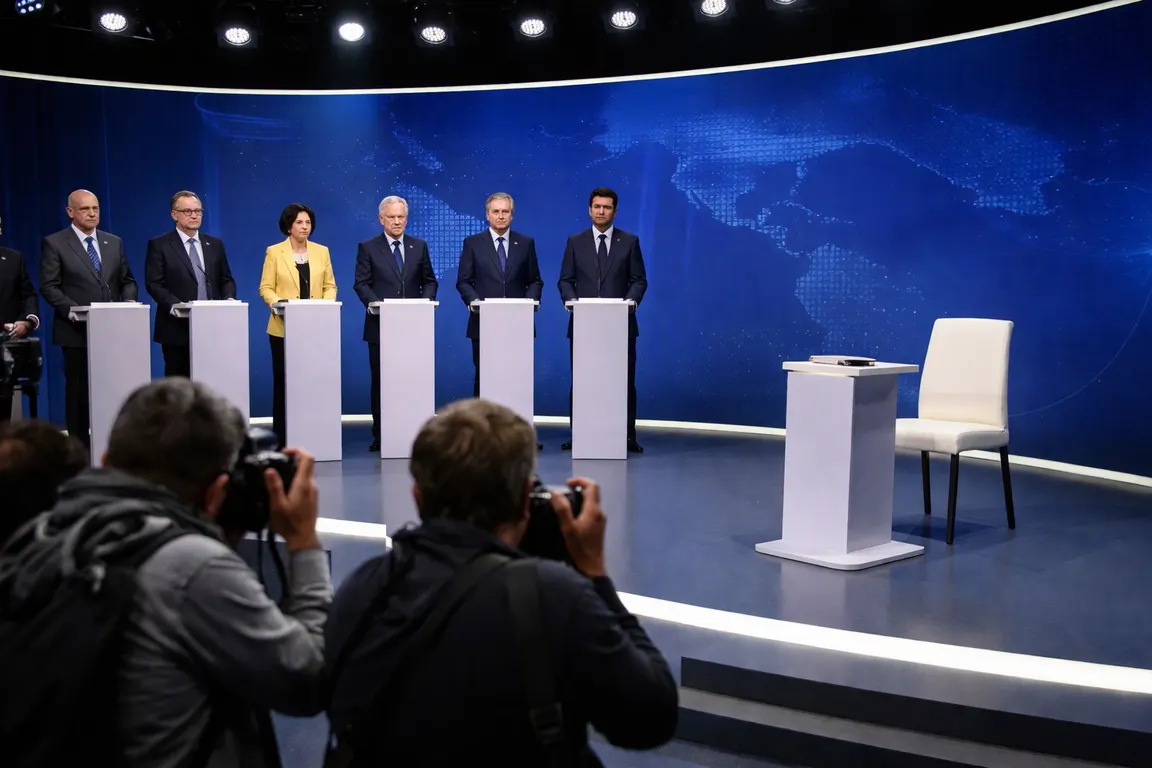
Flavio Bolsonaro announced on Thursday, Oct. 2, that he would not take part in TV Globo’s presidential debate scheduled for that evening, withdrawing two hours before the broadcast. The decision follows a ruling by Brazil’s Supreme Electoral Court (TSE) that bars the network from leaving an empty chair for absent candidate Luiz Inácio Lula da Silva and prohibits participants from commenting on the vacancy. This Brazil debate empty chair ruling forces the program to reshape its format.
The debate, Brazil’s most‑watched pre‑election forum, now proceeds without a representative of the Bolsonaro ticket. Lula, who had already signaled he would not attend, opted to appear on a popular podcast instead. Flavio Bolsonaro posted on X that the TSE order amounted to censorship and that he would not participate.
The TSE’s order, issued early Thursday, instructed TV Globo to remove any visual cue that Lula was missing from the stage and to prevent any candidate from using speaking time to reference the empty seat. Legal scholars say the ruling is consistent with past attempts to keep debates focused on policy rather than symbolic gestures, but note that direct court involvement in a televised debate’s staging is rare.
With less than a week before Brazil’s first‑round presidential vote, the withdrawal removes a key live platform for the right‑wing candidate to address voters directly. Datafolha released a poll Thursday night showing Lula at 48% and Bolsonaro at 45% in a hypothetical second‑round scenario, underscoring the narrow margin that could decide the Oct. 6 election. While the poll is not definitive, analysts warn that losing a televised appearance could hurt Bolsonaro’s ability to sway undecided voters who rely on TV coverage for candidate comparisons.
TV Globo, the country’s largest network and traditional venue for presidential debates, now faces a format challenge. Without an empty chair or any reference to Lula’s absence, the program must rework its segment structure, potentially limiting the depth of discussion. Media observers expect other networks to adjust future debate formats to avoid similar legal constraints.
Campaign teams are adapting quickly. Lula’s camp continues to promote the podcast appearance, emphasizing policy depth over televised performance. The Bolsonaro campaign is shifting resources toward digital outreach, including live streams on social platforms, to compensate for the missed TV exposure. Other candidates have reaffirmed their participation and are likely to use the debate to differentiate themselves on issues such as the economy, public safety and infrastructure.
The immediate impact of Bolsonaro’s withdrawal will be measured by voter awareness and turnout on Oct. 6. Observers will watch whether the TSE’s procedural stance prompts further legal challenges or influences how future debates are organized. The unresolved question remains: will the absence of a high‑profile right‑wing voice on Brazil’s most‑watched stage alter the dynamics of a race that, according to the latest poll, remains within a few percentage points?