

Bipartisan Senate Challenge to Russian Diesel Sanctions Deal
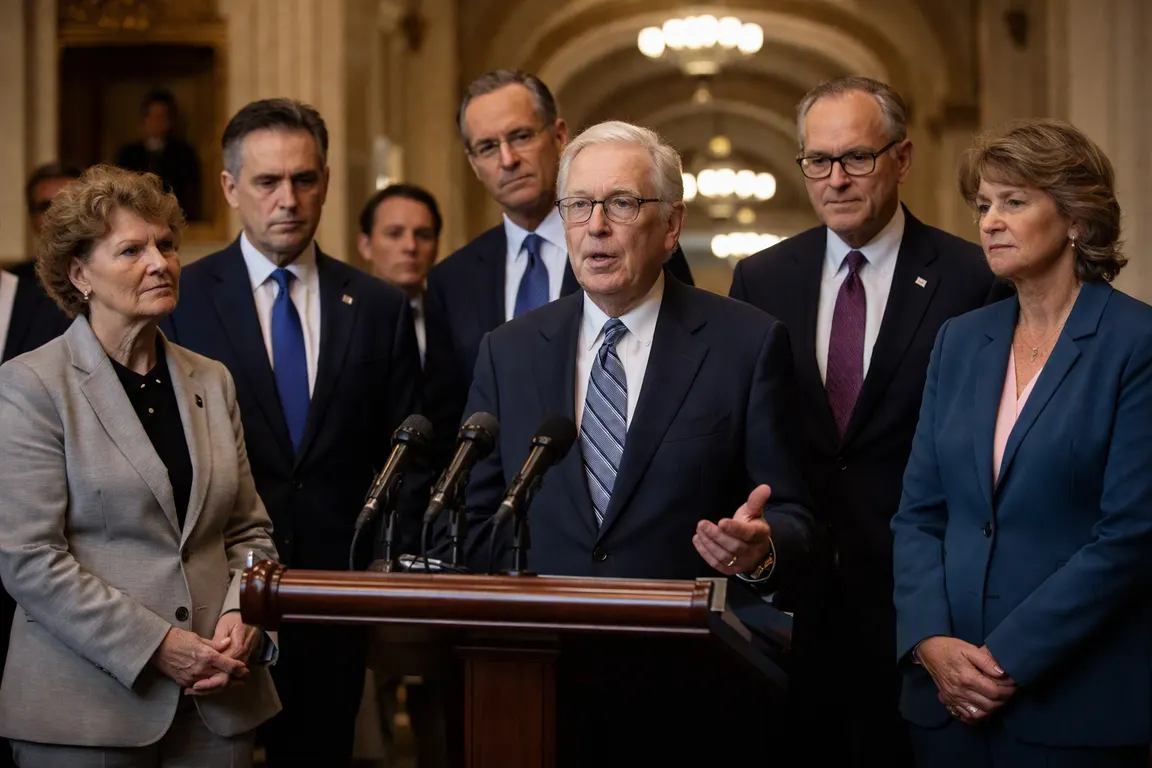
President Donald Trump announced on Friday, May 24, 2024, an agreement with Russian President Vladimir Putin that would allow Russian diesel exports to the United States in exchange for a temporary easing of U.S. sanctions. The announcement was immediately followed by a joint statement from seven senators—Democrats Jeanne Shaheen, Richard Blumenthal, Ron Wyden and Republicans Susan Collins, Lisa Murkowski, John Curtis and Thom Tillis—who say the deal may violate a 2022 law that bars imports of Russian oil and refined products until Moscow ends its aggression in Ukraine. The senators argue the arrangement could undermine Russian diesel sanctions.
The 2022 ban, passed with bipartisan support, prohibits the import of Russian crude oil and refined fuels unless the United Nations determines that Russia has ceased hostile actions in Ukraine. The administration argues that emergency powers under the International Emergency Economic Powers Act give it authority to grant a limited exemption, but Treasury Secretary Scott Bessent offered no written justification to the Senate, a step required by the statute.
Senators Shaheen, Blumenthal, Wyden, Collins, Murkowski, Curtis and Tillis contend that the administration’s failure to notify Congress breaches the law’s notification clause and could set a precedent for executive circumvention of sanctions. Their statement calls for an immediate reversal of the diesel arrangement and a review by the Office of Legal Counsel. The bipartisan objection is notable; Republican criticism of the deal is rare, and the senators’ concerns echo those of Ukrainian officials, the European Union and other U.S. allies, who warn that any Russian revenue from diesel sales could fund continued military operations in Ukraine.
Proponents point to potential relief for U.S. fuel markets. If Russian diesel reaches domestic refineries, modest price reductions at the pump could follow, though analysts note that the volume of shipments has not been disclosed and the short‑term impact on national diesel prices remains uncertain. Energy companies are already assessing contract adjustments, while consumer groups watch for any measurable change at service stations.
Beyond economics, the dispute tests the balance of power between Congress and the White House. A court ruling that the President exceeded his authority would reaffirm congressional control over sanctions policy and limit future administrations’ ability to negotiate rapid trade concessions. Conversely, a judicial endorsement of the Treasury’s interpretation could broaden executive flexibility in foreign‑policy emergencies, reshaping how sanctions are applied.
The next step is likely a formal Senate request for the Treasury to produce the statutory justification it allegedly omitted. If the administration does not comply, lawmakers may pursue a contempt citation or seek an injunction to halt the diesel imports. Until a court or congressional action clarifies the legal standing, the Russian diesel deal remains in limbo, leaving U.S. consumers, Ukrainian civilians and the broader geopolitical landscape awaiting resolution.