

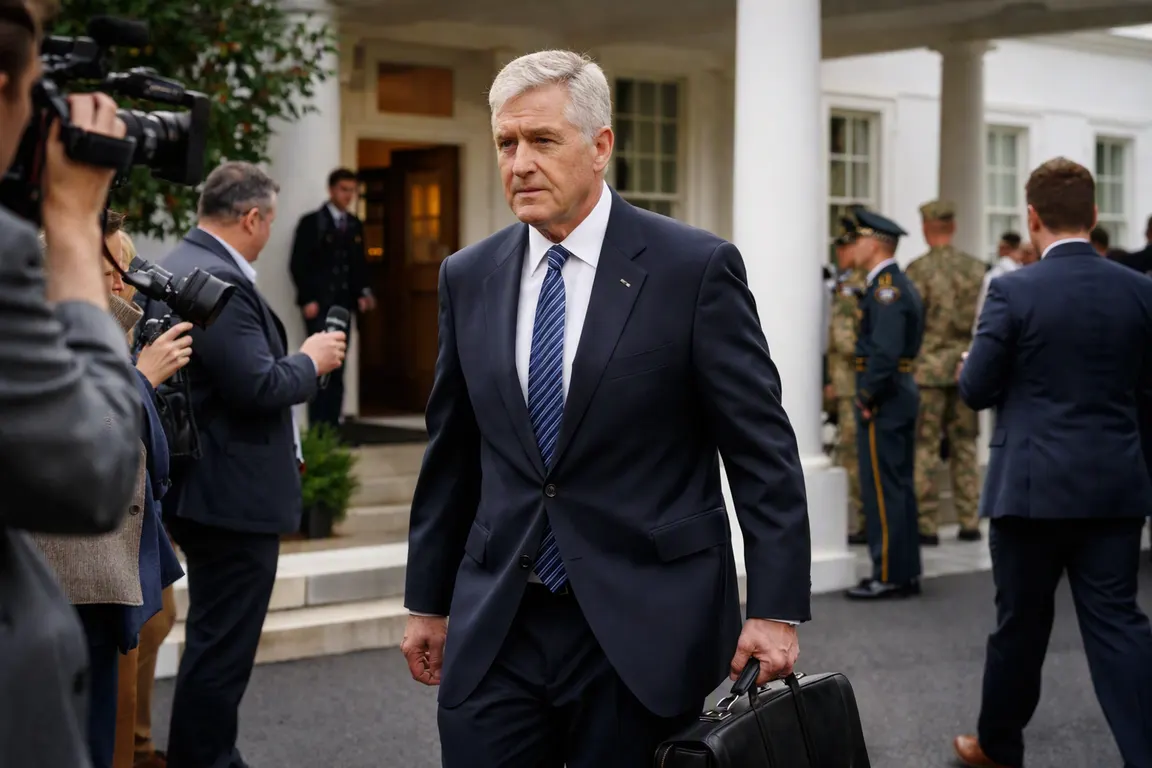
Army Secretary Dan Driscoll submitted his resignation to President Trump on Aug. 31, 2026, and the White House confirmed his departure Thursday. The exit comes as the United States marks six months of a dead‑locked conflict with Iran and Defense Secretary Pete Hegseth advances a sweeping reduction of senior‑rank officers across the services.
Driscoll’s departure highlights a growing rift between the Army’s civilian head and the Pentagon’s top civilian leader at a time the service is juggling readiness shortfalls, ongoing operations in the Middle East, and a broad force‑structure overhaul. With missile‑interceptor inventories low and no clear exit strategy for the Iran theater, the leadership change could affect the Army’s ability to meet immediate operational demands and to implement long‑term reform.
The 18‑month tenure that began in February 2025 made Driscoll the youngest person ever to hold the post. During his term he oversaw negotiations with Russia and Ukraine and promoted the "Make America Strong Again" agenda, a point echoed by White House spokesperson Anna Kelly. Sources familiar with the Pentagon said tensions with Defense Secretary Hegseth intensified early in 2026 over the pace and scope of senior‑officer cuts. Hegseth’s plan targets a 10 percent reduction in generals and admirals and a 20 percent cut in four‑star billets, a move that has already affected retirement ceremonies such as Gen. Chris Donahue’s at Fort Bragg, which Driscoll attended.
The resignation was not publicly linked to the Iran conflict, and no official statement tied Driscoll’s decision to policy disagreements over the war. Nonetheless, the timing raises questions about continuity of command in a theater that has strained logistics and personnel. Army units supporting the Iran operation rely on coordinated logistics, intelligence sharing and rapid decision‑making—functions that can be disrupted by a sudden change at the department’s highest civilian level.
For soldiers and civilian employees, the announcement adds uncertainty to an already turbulent transformation. The Army’s ongoing modernization programs, including development of next‑generation missile‑defense systems, could experience short‑term delays if senior‑leadership gaps stall procurement decisions. Defense contractors with contracts tied to these initiatives are watching closely for any shift in budget priorities that might accompany a new secretary’s agenda.
Pentagon officials said an interim leader will be appointed within days but declined to name a successor or provide a timeline for a permanent appointment. The White House emphasized that the administration remains committed to the force‑readiness and reform goals outlined by Driscoll and Hegseth, though analysts note that a prolonged vacancy could slow the rollout of senior‑officer reductions and complicate coordination with combat forces in the Iran theater.
The episode underscores how personal and strategic disagreements within the civilian chain of command can surface at a time of heightened operational pressure. As the United States continues to navigate a protracted Iran conflict and pursue deep‑seated reforms of its military hierarchy, the next steps in filling the Army secretary’s seat will shape both short‑term readiness and the longer‑term trajectory of Pentagon policy.