

Army Secretary resignation raises questions on Iran policy
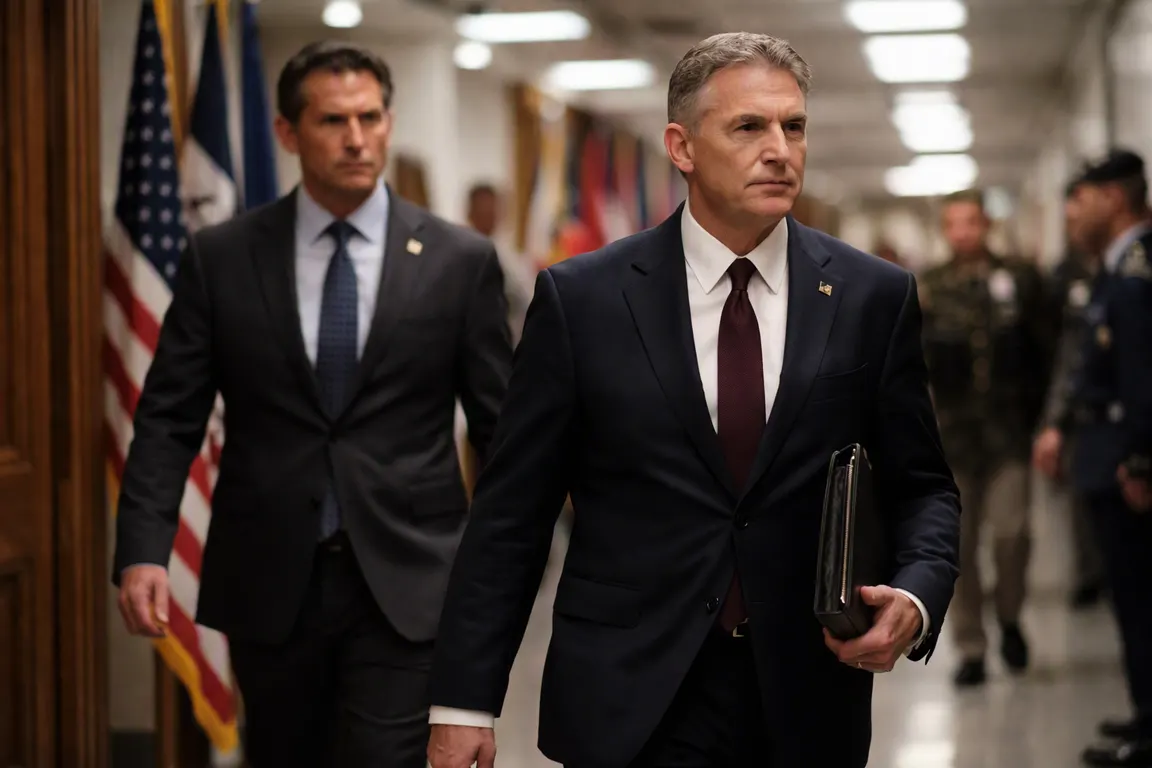
Army Secretary Dan Driscoll announced his resignation Thursday, citing personal reasons. Multiple sources say the departure is tied to a growing rift with Defense Secretary Pete Hegseth over how aggressively the United States should confront Iran and the broader direction of the military. The resignation comes as the administration weighs its posture toward Tehran, and continuity of command and several procurement programs face uncertainty, potentially affecting service members, defense contractors and the wider national‑security strategy.
According to officials familiar with the matter, Driscoll and Hegseth have repeatedly clashed on Iran policy, force modernization and resource allocation. NBC News reported that the two officials disagreed on the scope of a possible conflict with Iran and on the Pentagon’s long‑term strategic priorities. The American Conservative described the exit as a simple resignation after “tensions” with Hegseth, while The Independent World noted the move as part of a pattern of senior exits that has surprised the White House.
The Pentagon has not released a detailed explanation for Driscoll’s departure, and the administration has not signaled any immediate policy shift. Nonetheless, the timing raises questions about leadership stability as the administration formulates its Iran strategy. Army civilians and active‑duty soldiers could see delays in training reforms, equipment acquisitions and other ongoing initiatives, and defense contractors may experience short‑term volatility as procurement priorities are reassessed.
The leadership gap puts pressure on the White House and the Defense Department to name a successor quickly. Historically, an acting secretary is appointed while a permanent replacement undergoes Senate confirmation, a process that can take weeks or months. The choice of successor could signal whether the administration will maintain Driscoll’s policy stance or pivot toward a different approach on Iran and broader defense priorities.
Analysts note that senior turnover at the Pentagon is not new, but the concentration of exits under the Trump administration has been unusually pronounced. President Trump publicly expressed surprise at the “scale of purge,” underscoring the political sensitivity of these changes. While the resignation does not alter any operational orders, the uncertainty it creates may influence congressional oversight, budget negotiations and troop morale.
The Defense Department’s next step is to appoint an interim Army secretary and begin vetting a permanent replacement. Until that appointment is made, senior Army leaders will need to reassure personnel and contractors that existing programs remain on track. Whether the new secretary will align with Hegseth’s views on Iran or adopt a more cautious stance will shape the Pentagon’s strategic calculus in the months ahead.