

Argentina threatens Falklands oil sanctions as Milei
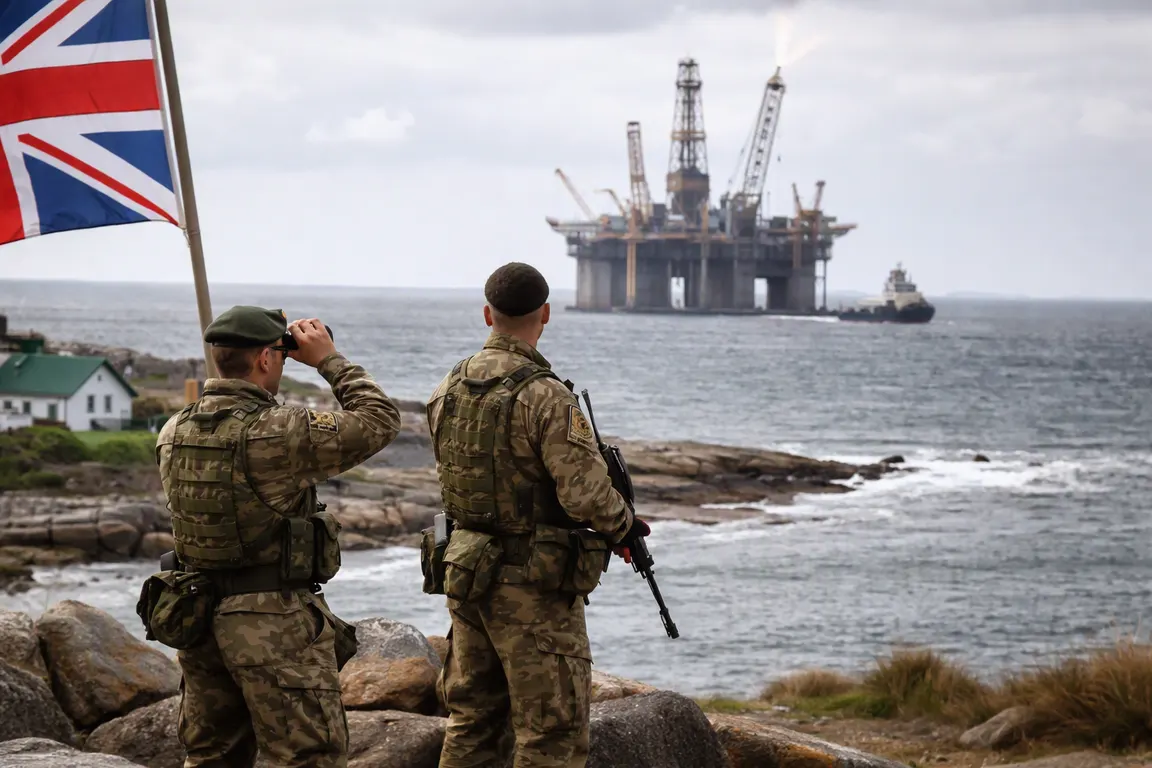
President Javier Milei warned Thursday that oil companies operating in the waters around the Falkland Islands could face Argentine sanctions, reviving a decades‑long sovereignty claim as his domestic poll numbers fall. The threat of Falklands oil sanctions comes amid a steady decline in his approval ratings, prompting the president to lean on nationalist rhetoric to shore up support.
No legal mechanism for the sanctions has been disclosed, and officials have not outlined how they would be enforced. The comments were reported by the BBC and The Independent, which quoted Milei as saying firms extracting oil near the islands "may be subject to sanctions." The Wall Street Journal added that Milei plans a national address on the disputed territory after former U.S. President Donald Trump suggested the United Kingdom should recognise Argentine sovereignty. None of the outlets provided details on the sanctions’ scope or implementation.
The Falkland Islands remain a British Overseas Territory, but Argentina continues to claim sovereignty. Historically the dispute has been diplomatic rather than economic. Milei’s latest statements mark a shift toward using the issue as a political lever, framing the sovereignty claim as a rallying point for nationalist voters.
For oil operators, the threat adds a layer of risk that could affect project timelines and financing. Argentine‑based firms could lose access to offshore licences if sanctions are imposed, while UK‑registered companies such as Shell and BP, which hold stakes in Falkland exploration, may face heightened investment uncertainty. Analysts note that even the perception of possible penalties can create modest volatility in global oil prices, especially if drilling activities are delayed.
The potential fallout extends beyond the energy sector. The Falklands’ small economy, heavily reliant on fishing and tourism, could feel secondary effects if oil projects stall. Local employment linked to offshore services might be jeopardised, and the UK government could be forced to reassess its security and economic commitments to the territory.
Internationally, the move raises questions about the legal basis for unilateral sanctions on foreign‑owned assets in a region under British jurisdiction. No legislative framework has been presented, and the United Nations Convention on the Law of the Sea offers limited guidance for such a scenario. Legal scholars say any Argentine action would likely be contested in international courts, and the UK could respond with counter‑measures.
The threat sits at the intersection of domestic politics and geopolitics. While Milei has not outlined a specific enforcement pathway, the statement alone has prompted oil companies to seek clarification from legal counsel and to monitor Argentine regulatory developments closely.
Milei’s upcoming national address is expected to elaborate on the sanctions proposal or outline a broader strategy for the Falklands claim. Observers will watch for concrete policy announcements, as the current situation remains largely rhetorical, leaving the ultimate impact on oil projects and diplomatic ties uncertain.